


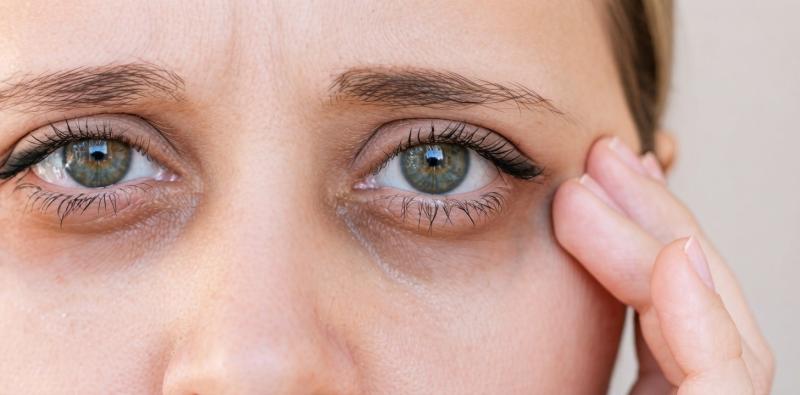
Dark circles under the eyes are a common dermatological concern, often arising from multiple factors. While many associate them with sleepless nights, their causes are much broader and include genetics, skin characteristics, pigmentation, aging, and daily habits.
The appearance of dark circles varies among individuals. In some, they are a result of increased pigmentation, while in others, vascular issues or shadows from the hollows beneath the eyes are the cause.
Biological and Genetic Causes of Dark Circles
1. Genetic Factors
Genetics can play a significant role in dark circle development. A person might inherit thinner skin around the eyes or facial structures that create a more recessed appearance, creating the illusion of darker skin.
In some cases, the dark hue is not actual pigmentation but shadows created by deep-set eyes or hollows, making these areas appear darker than the rest of the face.
2. Aging
With age, skin gradually loses collagen, fat, and elasticity, making underlying blood vessels more visible.
Fat distribution on the face can also evolve with time, producing more pronounced hollows and shadows under the eyes, thus exaggerating the appearance of dark circles.
3. Increased Skin Pigmentation
Dark circles may result from hyperpigmentation due to increased melanin production, which is more likely in individuals with darker skin. Frequent sun exposure without adequate protection can also stimulate melanin production, darkening the area.
Lifestyle-Related Causes of Dark Circles
4. Stress and Sleep Deprivation
Lack of sleep and fatigue are often linked to dark circles, as sleep deprivation can cause the skin to look paler and more translucent, highlighting the blood vessels and tissues underneath. Sleep disturbances might also lead to puffiness and fluid retention, making the shadows more pronounced.
5. Eye Strain
Prolonged focus on computer screens or smartphones can strain and dry out the eyes, leading to frequent rubbing.
While screens don't directly cause dark circles for everyone, eye strain, dryness, and repeated rubbing can make the area appear more tired.
6. Dehydration
Inadequate fluid intake can cause the skin to appear dry and dull, making the area under the eyes appear sunken and less vibrant, enhancing shadow visibility.
Maintaining proper hydration and applying a suitable moisturizer to the delicate under-eye area can help address dryness.
7. Smoking
Smoking negatively impacts skin health, accelerating aging and affecting appearance. It can also make skin look fatigued and lackluster, potentially making pre-existing dark circles more noticeable.
Medical Causes of Dark Circles
8. Allergies and Eye Dryness
Allergies, especially nasal allergies, can cause what's known as allergic shiners due to blood vessel congestion around the eyes.
Allergy-induced itching may lead to persistent eye rubbing, irritating the skin and increasing pigmentation or producing darker changes in the area.
9. Anemia and Iron Deficiency
Iron deficiency and anemia can pale the skin, making blood vessels and changes underneath more visible.
However, dark circles alone are insufficient for diagnosing anemia. If accompanied by symptoms like persistent fatigue, dizziness, or shortness of breath, consulting a physician for suitable tests is recommended.
10. Thyroid Disorders
Some thyroid disorders can cause skin changes or swelling around the eyes, particularly in certain autoimmune thyroid conditions. New onset of dark circles or swelling with other unusual symptoms should be medically evaluated, rather than assumed to have cosmetic origins only.
Simple Home Remedies to Reduce Dark Circles
If dark circles are related to fatigue, puffiness, or lack of sleep, some simple steps may improve the area's appearance:
-Cold Compresses: These can temporarily reduce puffiness and constrict blood vessels, minimizing congestion appearance.
-Adequate Sleep: Consistent sleep patterns may enhance skin appearance and diminish signs of fatigue, and elevating the head slightly during sleep can prevent morning fluid collection.
-Avoid Eye Rubbing: Reducing friction helps protect the delicate skin around the eyes from irritation and pigmentation.
-Sun Protection: Using a suitable facial sunscreen and protecting the eye area can help limit UV-induced pigmentation increase.
-Stay Hydrated: Consuming sufficient fluids and maintaining skin hydration can improve the look of dry, tired skin.
Do cucumber and tea bags help with dark circles?
Cucumber slices and cold compresses, along with green tea bags, are popular home remedies for swelling reduction. They can offer a refreshing feel and a temporary improvement in appearance.
It's important not to see them as permanent solutions for hereditary circles, pigmentation, or fat loss with age, as addressing these requires understanding the underlying cause.
When to See a Doctor About Dark Circles
Usually, dark circles are not a serious health concern. However, if they appear suddenly, severely, or with constant swelling, noticeable skin changes, or other health symptoms, consulting a doctor is advisable.
Persistent dark circles despite adequate sleep and good skincare may require identifying their origin, especially if allergies, anemia, or thyroid disorders are suspected.
In conclusion, dark circles' causes go beyond lack of sleep, including genetics, thin skin, aging, hyperpigmentation, stress, dehydration, allergies, and certain health conditions.
Understanding the true cause aids in choosing the right approach, whether through improved sleep, lifestyle changes, allergy treatments, or addressing the underlying medical issue.
See Also:
Best Arab Countries for Tourism