



The Lebanese economy has experienced significant transformations in recent years, driven by financial crises and structural changes in the local market. Despite these challenges, new economic sectors have emerged, while traditional ones have maintained their growth, offering promising opportunities for investment and employment.
Current economic realities show that some sectors have begun to play a crucial role in supporting the Lebanese economy through exports, innovation, or a shift towards digital services, reflecting the economy’s ability to adapt to difficult circumstances.
List of the Fastest Growing Economic Sectors in Lebanon:

Technology and Digital Transformation
The technology sector is one of the fastest-growing in Lebanon, with an increasing reliance on digital services and startups in programming and electronic applications.
Lebanese youth have launched projects in artificial intelligence, e-commerce, and digital marketing, making this sector a key growth pillar despite limited infrastructure.
Financial Services and Remittances
Despite the banking crisis, remittances from abroad remain a vital pillar of the Lebanese economy.
Lebanon heavily relies on expatriates, as financial transfers are a direct support source for families and local consumption. Some financial companies have also been transitioning towards more flexible and secure digital solutions.
Agricultural and Food Industries
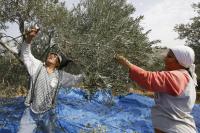
The agricultural sector in Lebanon has seen significant growth due to increased domestic and international demand for Lebanese products like fruits, olives, wine, and vegetables.
Food industries have also developed significantly with many factories turning to exports to Arab and European markets, leveraging the quality and reputation of Lebanese products.
Tourism Sector Amid Challenges
The tourism sector is one of Lebanon's most critical economic sectors. While tourism activities have declined at times, the sector still holds substantial growth potential.
Some mountainous and coastal areas are witnessing a gradual return of visitors, especially with increased interest in domestic and eco-tourism, which opens opportunities for new investments in hotels, restaurants, and resorts.
Real Estate and Reconstruction Sector
Despite economic challenges, the real estate sector remains relatively active, especially in areas where there's demand for residential apartments and small projects.
This sector is closely linked to reconstruction and renewal activities, making it a sensitive but important part of the economic cycle.
Education and Training Services
The private education sector and training courses have experienced significant growth, particularly in digital skills, languages, and programming.
This growth is due to the need for Lebanese youth to develop skills to keep up with both local and international job markets, making this sector more flexible and expansive.
Key Factors Driving Sector Growth
The growth of certain sectors in Lebanon can be attributed to several key factors:
- Reliance on digital economy and remote work
- Increased demand for basic and export services
- Role of expatriates in supporting the economy
- Resilience of certain sectors compared to the traditional banking sector
- Development of new skills among young Lebanese
Challenges Facing Economic Growth
Despite promising opportunities, the Lebanese economy faces several challenges, including:
- Financial instability
- Weak infrastructure
- High operating costs
- Limited foreign investments
- Recurring political and economic crises
In conclusion, the Lebanese economy reflects a state of continuous adaptation to crises. New sectors have emerged, capable of growth despite tough conditions. As Lebanon continues its transition towards a digital economy and bolsters its productive and service sectors, it may gradually rebuild a significant part of its economic vitality.
See Also
Top Growing Economic Sectors in Lebanon