


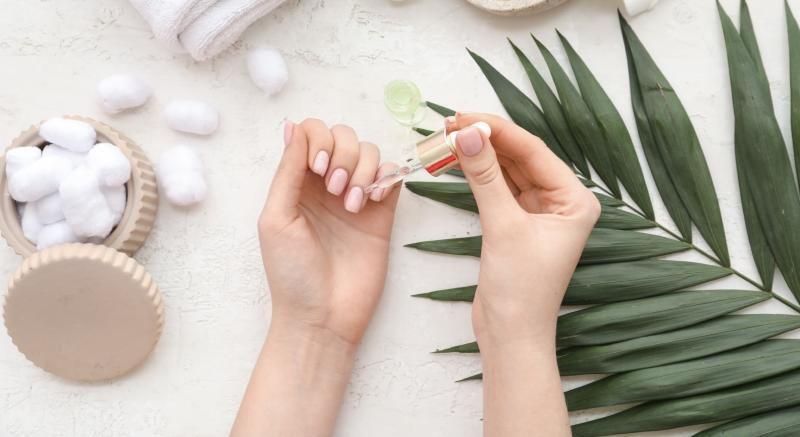
Women pay special attention to nail care due to climate changes, high temperatures, and frequent exposure to saltwater, chlorine, and sunlight. These factors can negatively impact nail health, causing dryness, brittleness, and structural weakness if a proper care routine is not followed.
With increased outdoor activities in summer, nails become more prone to damage and loss of natural moisture. Skincare and nail experts recommend focusing on continuous hydration, protection, and proper nutrition to maintain strong and shiny nails throughout the season.
Why Do Nails Get Damaged in Summer?
Hot weather and continuous exposure to water and sunlight can cause nails to lose some of their natural moisture. Additionally, frequent swimming in pools or sea can weaken the nail layers, increasing the likelihood of cracking and breaking. Regular use of household cleaners without protection can exacerbate the issue and make nails more fragile.
The Importance of Daily Nail Hydration
Natural Oils
Natural oils are among the best ways to nourish nails and the surrounding skin. Massaging the nails and cuticles daily with warm coconut oil or olive oil before bed helps enhance flexibility and reduce breakage.
Moisturizing Creams
Preferably use creams rich in nourishing ingredients like shea butter and vitamin E. Conversely, avoid products with high alcohol content as they may dry out nails further.
Hydration from Within
Nail care isn't limited to external attention only. Drinking water plays a crucial role in maintaining nail strength and health, as internal dehydration might directly affect the appearance of nails, making them more prone to peeling and breaking.
Protecting Nails During Swimming
Swimming is one of the most popular summer activities, but it can affect nail health if no preventive measures are taken.
Using a Strengthening Nail Polish
Applying a layer of strengthening clear polish a day before swimming forms a protective barrier against chlorine or saltwater.
Washing Hands After Swimming
Washing hands with fresh water immediately after swimming helps remove salt or chemical residues that may affect nails.
Rehydrating
After swimming, it's advisable to use a moisturizing cream or nourishing oil to restore lost moisture.
Protecting Nails During Household Chores
Nails encounter various chemicals present in household cleaners daily.
Wearing Gloves
Using protective gloves while doing the dishes or cleaning is one of the best ways to protect and prevent nail damage.
Avoiding Direct Exposure to Cleaners
Strong chemicals can weaken nail layers over time. It's important to minimize contact whenever possible.
The Impact of Sunlight on Nails
UV rays don't only harm the skin but can also affect nail color and quality.
Using a Protective Layer
Opt for a nail polish or top coat containing UV protection to help reduce yellowing and maintain nail shine.
Renewing the Protective Layer
Additionally, it is recommended to reapply the protective layer regularly when frequently exposed to the sun.
The Proper Way to Trim Nails
Maintaining a Suitable Length
During summer, it's advisable to keep nails short or medium length to reduce the risk of breaking during daily activities.
Using the Right File
It's recommended to use a soft file instead of harsh metal files that might weaken nail tips.
Filing in One Direction
Filing in one direction helps protect nail fibers and reduce the risk of cracking.
Caring for the Skin Around the Nails
The skin surrounding the nails is an important part of nail health and protection against infections.
Avoiding Excessive Cutting
Over-removal of the skin around the nails can increase the risk of infections and inflammations.
Regular Moisturizing
Daily moisturizing of the cuticles helps maintain their flexibility and prevent painful cracks.
The Importance of Giving Nails Rest Periods
Although nail polish gives a beautiful look, continuous use may affect health over time.
Days Without Polish
It's recommended to leave nails polish-free for at least two days a week to allow them to restore their natural balance.
Reducing Chemical Exposure
This measure helps reduce exposure to chemical ingredients in some cosmetics.
Choosing the Right Polish Remover
Polish removers directly affect nail health.
Avoiding Acetone
Preferably use acetone-free removers as they are less harsh and help preserve the nails' natural oils.
Choosing Moisturizing Products
Some modern removers contain moisturizing components to reduce dryness caused by polish removal.
Nutrition and Its Role in Strengthening Nails
Proper nutrition plays a pivotal role in maintaining nail strength and healthy growth.
Protein
Nails are mainly composed of keratin, a type of protein, and consuming sufficient amounts is essential for their health.
Biotin
Biotin helps support nail growth and reduce brittleness in some individuals.
Foods Beneficial for Nails
Some of the best dietary options include:
-Eggs
-Legumes
-Nuts
-Leafy vegetables
-Fatty fish
Additionally, consulting a doctor about dietary supplements could be beneficial if nail weakness or frequent breakage is a concern.
Signs Your Nails Need Extra Care
Some indicators suggest that more attention is required.
Continuous Peeling
May indicate dehydration or a lack of certain nutrients.
Frequent Breakage
Could result from excessive exposure to water or chemicals.
Color Changes
If nails remain yellow or develop abnormal spots, consulting a specialist doctor might be advisable.
In conclusion, taking care of nails in summer requires a mix of regular hydration, protection from external factors, and balanced nutrition. Nutritional attention and granting nails periodic rest also help maintain their strength and shine throughout the summer.
See Also
Best Makeup Removal Techniques