


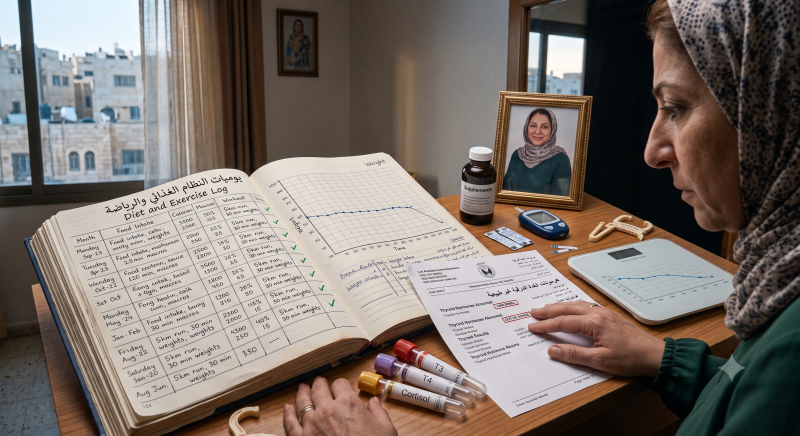
Many people struggle with weight gain despite adhering to a healthy diet or exercising regularly. This often leads them to wonder if hormones are to blame.
Hormones play a crucial role in regulating metabolism, appetite, and fat storage. Therefore, any imbalance can potentially impact body weight.
However, hormonal disorders are not the most common cause of weight gain, with poor dietary habits and lack of physical activity being more significant factors.
If weight gain is accompanied by other unusual symptoms, consulting a doctor for necessary tests can be beneficial.
Signs That Weight Gain May Be Hormonal
Weight Gain Without Lifestyle Changes
Slow or rapid weight gain without an increase in food intake or a decrease in physical activity might indicate a hormonal disorder needing evaluation.
Difficulty Losing Weight
Some struggle to lose weight despite following a diet and exercising consistently, which may occur with certain endocrine disorders.
Persistent Fatigue
Weight gain accompanied by constant fatigue or low energy levels could relate to issues such as hypothyroidism.
Feeling Cold Constantly
Feeling colder than usual can be a common symptom of underactive thyroid, which can also contribute to weight gain.
Hair Loss and Dry Skin
These symptoms, especially if they coincide with weight gain, could indicate a thyroid issue or other hormonal problems.
Menstrual Irregularities in Women
Weight gain with irregular periods, increased facial/body hair, or acne can be signs of polycystic ovary syndrome (PCOS), a common hormonal disorder in women.
Fat Accumulation in Specific Areas
Significant fat gain around the abdomen, face, or upper back, coupled with muscle weakness or purple stretch marks, might point to conditions like Cushing's syndrome, necessitating medical evaluation.
Hormones That Might Cause Weight Gain
Key hormonal disorders that might cause weight gain include:
- Hypothyroidism.
- Polycystic ovary syndrome.
- Elevated cortisol levels.
- Insulin resistance.
- Hormonal changes during menopause in women.
- In some instances, low testosterone levels in men.
How is the Cause Diagnosed?
Diagnosis involves medical history, a physical exam, and tests such as:
- Thyroid hormone tests (TSH and Free T4).
- Blood sugar or A1C measurement.
- Insulin resistance evaluation, if necessary.
- Sex hormone tests.
- Additional tests like cortisol if symptoms suggest a specific disorder.
Can Hormonal Weight Gain Be Treated?
Treatment depends on the underlying cause. In many cases, addressing the hormonal disorder improves metabolism and facilitates weight loss.
Alongside a balanced diet and regular exercise, some may require medications or specialized treatments tailored by a doctor.
When to See a Doctor?
Consult a doctor if:
- Weight gain is sudden or rapid.
- Weight gain doesn't respond to diet and exercise.
- Symptoms like menstrual irregularities, extreme fatigue, hair loss, or constant cold sensations occur.
- There’s a family history of endocrine disorders.
You might also like: Best Exercises for Weight Loss, Does Walking Daily Help with Weight Loss?, How to Lose Weight Quickly in a Healthy Manner