


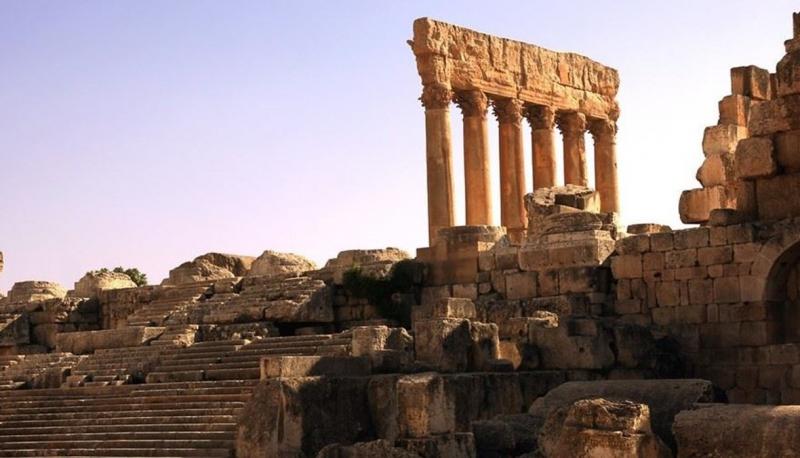
Baalbek stands as the perfect starting point for anyone wishing to explore one of the oldest historical cities in Lebanon and the Middle East. Known for its colossal Roman temples, Baalbek is celebrated as one of the greatest architectural achievements in the ancient world.
A visit to Baalbek isn't just about seeing ruins. It provides a chance to learn about the successive historical eras that have left their marks on the city, from Roman civilization to Islamic periods.
Why Baalbek Deserves a Visit?
Located in the heart of the Bekaa Valley, Baalbek is among the top archaeological destinations in Lebanon, gaining global recognition for its grand Roman temple complex, ranked as a significant historical site worldwide.
In addition, the city features prominent religious sites, local markets, and restaurants serving traditional Baalbek cuisine, making it ideal for both family and cultural trips.
Top Tourist Attractions in Baalbek
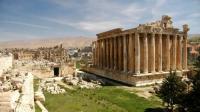
1. Baalbek Castle
Baalbek Castle is the city's most famous landmark and is one of the largest Roman archaeological complexes in the world. Visitors can explore the massive temples, historic courtyards, and towering columns that bear witness to the grandeur of Roman engineering within two to three hours.
The castle offers a unique experience for photography enthusiasts, especially during morning hours or just before sunset when the historic stones beautifully reflect the light.
2. Temple of Jupiter
The Temple of Jupiter is the largest Roman temple built in the Roman Empire, famed for its six colossal columns that have become symbols of Baalbek. Despite the passage of centuries, these columns continue to attract thousands of visitors annually with their immense size and engineering marvel.
3. Temple of Bacchus
The Temple of Bacchus is among the best-preserved Roman temples globally, noted for its fine stone carvings and architectural embellishments that reflect the skill of Roman builders. Visitors also get a glimpse into Roman-era religious and artistic life here.
4. Temple of Venus (the Flower)
Located near the main entrance of the archaeological site, this temple, with its unique circular design, stands apart from the other temples in Baalbek. Although smaller than the Temple of Jupiter and Bacchus, it remains a crucial site for classic architecture lovers.
5. Stone of the Pregnant Woman
The Stone of the Pregnant Woman lies in the Roman quarries at the city entrance, regarded as one of the largest carved stones in history, weighing approximately a thousand tons. This stone fascinates both visitors and researchers due to the ancient engineering techniques used in its carving and transportation.
Main Religious and Cultural Sites
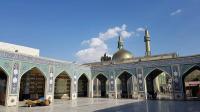
Maqam of Lady Khawla
The Maqam of Lady Khawla is one of the most famous religious shrines in Baalbek, featuring beautiful architecture inspired by Islamic style, with decorations and mosaics adding a distinctive spiritual aura to the place. It draws visitors from different regions, eager to explore its religious and architectural significance.
The Great Umayyad Mosque
The Great Umayyad Mosque is a prime example of the Islamic period in the city, exemplifying the evolution of Islamic architecture interwoven with Baalbek's rich history.
Culinary Experience in Baalbek
Once your tour of the archaeological site is complete, it's time to explore Baalbek's cuisine, which is an essential part of the visit experience.
Baalbekian Sfiha
The Baalbekian sfiha is the city's most famous dish, consisting of thin dough topped with a layer of minced meat seasoned with local spices, then baked until it's crispy and flavorful.
Grills and Appetizers
Baalbek's restaurants are also renowned for serving traditional Lebanese grills, alongside hummus, fattoush, tabbouleh, kibbeh, and other traditional appetizers that reflect the authenticity of Bekaa Valley cuisine.
Best Time to Visit Baalbek
Spring and fall are considered the best times to visit the city when the weather is mild, making walks within the archaeological site more comfortable.
Although summer can bring high temperatures in the Bekaa Valley, the city hosts significant cultural events, most notably the Baalbek International Festivals featuring musical and artistic performances within historical temples.
Visiting Hours
The archaeological site is open daily.
During summer: From 9:00 AM to 6:00 PM.
During winter: From 9:00 AM to 4:00 PM.
It is advisable to arrive early in the morning to avoid crowds and enjoy the moderate atmosphere.
How to Reach Baalbek
Baalbek is located about 80 kilometers from Beirut. The drive takes about an hour and a half depending on traffic. Many visitors prefer joining organized tours providing transport and specialist guides who explain the history of the archaeological sites, adding great value to the experience.
Important Tips for the First Visit
Follow these guidelines for an optimal tourism experience:
- Wear comfortable walking shoes.
- Bring enough water if visiting in summer.
- Wear a hat and use sunscreen.
- Allocate at least three hours for visiting the castle.
- Bring a good camera or phone to capture photos.
- Try the local dishes after the tour.
- Check the Baalbek International Festival dates when planning a summer visit.
Finally, This guide to first-time tourism in Baalbek is an essential resource for anyone eager to explore one of the Middle East's greatest historical cities. Planning to visit Lebanon in 2026? Including Baalbek in your itinerary will offer a chance to discover a city that remains a prominent archaeological treasure in the region.
Also see
Free Places to Visit in Beirut