


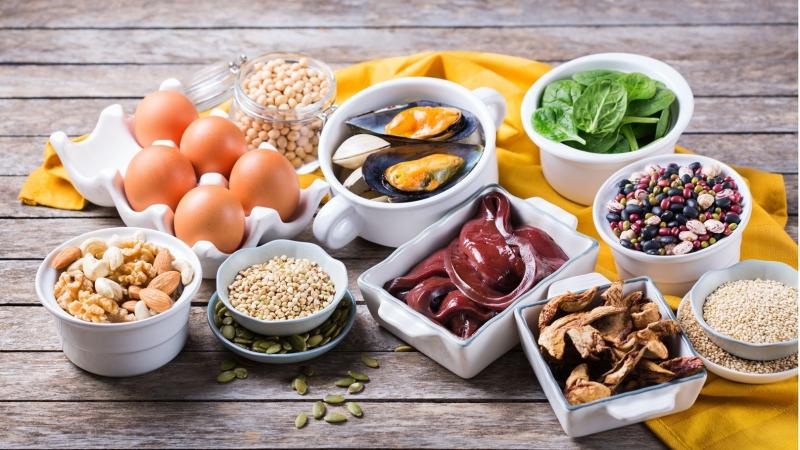
Iron is an essential mineral the body needs to produce hemoglobin, responsible for oxygen transport to tissues and organs. Low levels can lead to symptoms like fatigue, exhaustion, dizziness, and poor concentration. A balanced diet is crucial for maintaining iron stores.
Increasing body iron isn't solely dependent on consuming iron-rich foods but also relates to your eating habits and accompanying nutrients.
Why Does the Body Need Iron?
Iron plays a key role in red blood cell production, supports immune function, energy production, and maintains mental and physical activity.
Moreover, certain groups require more iron, such as pregnant women, growing children, teenagers, and those with iron deficiency or blood loss.
Difference Between Animal Iron and Plant Iron
Iron in food is divided into two types: heme iron found in animal sources, which is easily absorbed, and non-heme iron found in plant sources, which is less absorbable but still important when combined with vitamin C-rich foods.
Best Animal Sources of Iron
Liver and Internal Organs
Liver, whether beef or lamb, tops the list of iron-rich foods. It also contains significant amounts of B vitamins, vitamin A, and other nutrients that support body health. It is advised to consume liver in moderation within a balanced diet, especially for those with low iron stores.
Red Meat
Beef and lamb are important iron sources, also providing protein, zinc, and vitamin B12, all of which assist in red blood cell formation. Iron absorption from red meat is higher compared to most plant sources.
Seafood
Shellfish contain high levels of iron alongside zinc and other important minerals. Some fish types also offer good amounts of iron, protein, and beneficial fatty acids, making seafood an excellent choice within a balanced diet.
Best Plant Sources of Iron
Even though plant-based iron absorption is low, it remains vital for vegetarians and those looking to diversify their diet.
Legumes
Lentils, white beans, and chickpeas are among the top plant-based iron sources. They also contain plant protein and fibers supporting digestive health.
Dark Leafy Greens
Spinach, kale, and other leafy greens contain good amounts of iron plus antioxidants, vitamins, and minerals essential for the body.
Nuts and Seeds
Pumpkin seeds, cashews, and pistachios provide significant iron levels, alongside healthy fats and nutrients that support heart health.
Dried Fruits
Dates, raisins, and dried apricots help increase daily iron intake and provide quick energy and beneficial dietary fibers.
Blackstrap Molasses
Blackstrap molasses is a nutrient that contains iron, along with other minerals like calcium and potassium, making it a favorite for many as part of a balanced diet.
Foods That Enhance Iron Absorption
Consuming iron-rich foods alone is insufficient; combining them with foods that enhance absorption is preferable. Best choices include:
- Orange.
- Lemon.
- Bell peppers.
- Kiwi.
- Strawberries.
- Guava.
- Tomatoes.
This is due to their vitamin C content, enhancing non-heme iron absorption in plant sources.
Foods and Drinks That Inhibit Iron Absorption
Conversely, certain dietary habits might reduce iron benefits, especially consuming them immediately after meals. Key inhibitors include:
- Tea.
- Coffee.
- Caffeine-rich drinks.
- Large amounts of calcium-rich foods with iron meals.
It's advisable to wait a suitable duration before consuming these drinks post-meal.

Signs of Iron Deficiency
Several symptoms may indicate low iron levels, including:
- Chronic fatigue.
- Pale skin.
- Dizziness.
- Shortness of breath during exertion.
- Weak concentration.
- Cold extremities.
- Hair loss in some individuals.
If these symptoms persist, consulting a doctor for necessary tests and cause determination is essential.
Tips for Naturally Boosting Iron Levels
Enhancing iron stores can be achieved by adopting healthy dietary habits, such as:
- Consuming animal iron sources several times a week if suitable for the diet.
- Adding lemon or orange juice to plant meals.
- Diversifying iron sources between animal and plant.
- Avoiding tea and coffee right after meals.
- Maintaining a balanced diet rich in vitamins and minerals.
- Consulting a doctor before using iron supplements, as overuse might cause undesired health effects.
In conclusion, a balanced diet is the best way to maintain iron levels and prevent deficiency. Therefore, choosing iron-rich foods and adopting healthy dietary habits helps support red blood cell production and maintain overall activity and health.
See also