


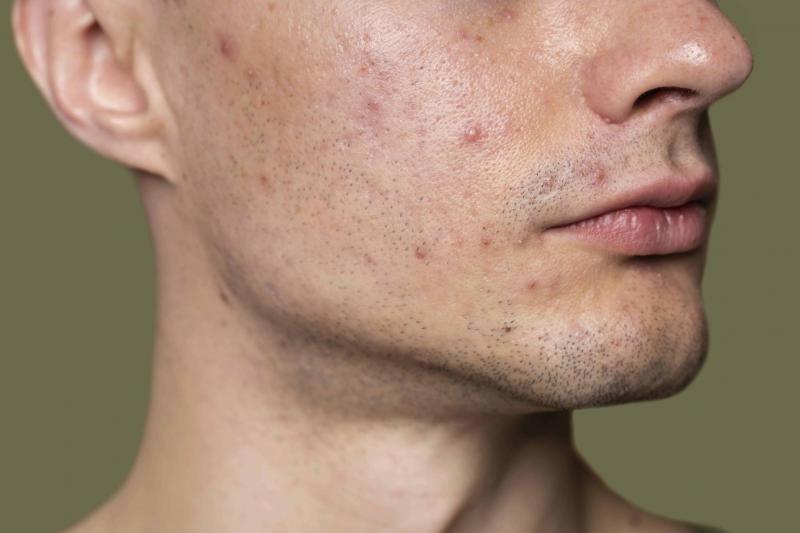
Acne is one of the most common skin issues, affecting both teenagers and adults due to clogged pores, increased oil production, and bacterial growth. Today, various treatments are available ranging from daily skincare routines to topical medications, oral treatments, and cosmetic procedures. The suitable treatment choice depends on the severity of the condition and a dermatologist’s evaluation.
Acne impacts many individuals' appearance and self-esteem. It can appear on the face, back, or chest in various forms such as blackheads, whiteheads, inflamed pimples, and cysts.
With advancements in medical treatments, it's now possible to control acne and reduce the risk of scarring, especially when treatment begins early, and medical advice and proper skincare routines are followed.
What is Acne?
Acne is a skin condition that occurs when hair follicles become clogged with oils and dead skin cells, leading to pimples, blackheads, and whiteheads. Some cases can develop into infections or scars if not properly treated.
Causes of Acne
Major causes and contributing factors include:
- Hormonal changes.
- Increased oil production in the skin.
- Clogged pores.
- Bacterial growth on the skin.
- Use of inappropriate cosmetics.
- Certain medications.
- Genetic factors.
- Psychological stress in some individuals.
Acne Treatment Methods
1. Regular Skin Cleansing
Cleaning the face twice daily with a gentle cleanser suitable for skin type helps remove oils and impurities, reducing pore blockage.
2. Use of Topical Treatments
A doctor may recommend products with active ingredients such as benzoyl peroxide, topical retinoids, azelaic acid, and salicylic acid, which should be used according to directions to minimize skin irritation.
3. Antibiotics
Topical or oral antibiotics may be used for certain inflammatory cases, requiring medical supervision to avoid inappropriate use.
4. Hormonal Treatment
Hormonal treatment might be suitable for some women if acne is linked to hormonal changes, with the doctor determining its appropriateness for each case.
5. Isotretinoin
In severe acne cases or those unresponsive to other treatments, a dermatologist may prescribe isotretinoin, with necessary regular medical monitoring due to potential side effects.
6. Cosmetic Procedures
Certain procedures can enhance skin appearance and reduce acne impact, including chemical peels, laser therapy, microneedling, and some types of light therapy, as deemed suitable by a doctor.
Skincare Tips During Treatment
For optimal results:
- Gently wash your face twice daily.
- Use a suitable non-comedogenic moisturizer.
- Apply sunscreen daily.
- Avoid picking or squeezing pimples.
- Choose cosmetics labeled "non-comedogenic."
Do Natural Treatments Help?
While some individuals prefer natural ingredients, scientific evidence on their efficacy varies, and some might irritate the skin. Consulting a doctor before use, especially with moderate to severe acne, is advisable.
When to See a Dermatologist?
Consult a doctor if:
- Acne is severe or painful.
- There are clear scars or marks left.
- The condition hasn't improved after appropriate over-the-counter products.
- Psychological effects like reduced self-confidence or anxiety arise due to the condition.
Preventing Acne
Steps to reduce the chance of acne include:
- Regular skin cleansing.
- Removing makeup before bed.
- Avoiding frequent face touching.
- Using products suitable for your skin type.
- Adopting a balanced diet and healthy lifestyle.
Conclusion
Various acne treatment methods depend on the type and severity of the case. Early diagnosis and adherence to treatment plans are key factors in enhancing skin and reducing scar risk. If the issue persists or worsens, consulting a dermatologist ensures selection of the most appropriate treatment for each case.
See Also: