


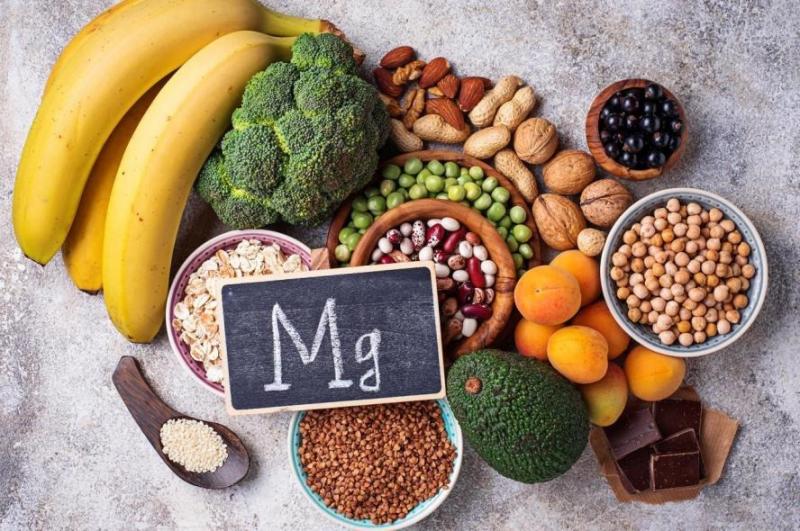
Magnesium is one of the essential minerals the body requires to maintain muscle, nerve, and bone health. It also participates in hundreds of biological reactions that aid in energy production and regulate many fundamental functions. However, as the popularity of dietary supplements increases, many people frequently ask: When is the best time to take magnesium to reap its optimal benefits?
The answer to this question depends on several factors, including the type of supplement, the purpose of use, and the individual's health condition. Nonetheless, there are general guidelines that can help enhance magnesium absorption and maximize its benefits. This article explores the best time to take magnesium, its benefits, and the top tips professionals recommend for its correct use.
When to Take Magnesium?

There is no single best time that fits everyone; the timing of magnesium intake depends on the purpose of its use, the type of supplement, and the doctor's recommendation. However, the key is to consistently take it daily at a time that is easy to remember.
It is often recommended to take magnesium with food to reduce the likelihood of stomach disturbances and improve the supplement's tolerance for some individuals.
Is It Better to Take Magnesium in the Morning or Evening?
You can take magnesium at any time of the day, but each timing has its advantages:
Morning
Some people prefer to take it with breakfast or lunch as part of their daily routine, especially if they are consuming multiple dietary supplements.
Evening
Many prefer to take magnesium in the evening or before bedtime, as some types may help promote relaxation. However, this effect can vary from person to person and is not proven to occur for everyone.
Should Magnesium Be Taken With Food?
Yes, it is usually recommended to take magnesium with meals or right after, as this may:
- Reduce stomach upset.
- Decrease the likelihood of nausea.
- Improve the body's acceptance of the supplement.
If a doctor provides alternative instructions, those should be followed.
Benefits of Magnesium for the Body
Magnesium plays a role in hundreds of biological reactions within the body. Some of its prominent benefits include:
- Supporting muscle health.
- Contributing to nerve functions.
- Maintaining bone health.
- Boosting energy production.
- Assisting in heart rhythm regularity.
- Aiding different enzymes' functions.
Can Magnesium Be Taken With Vitamin D?

Yes, magnesium can be taken with Vitamin D in most cases. In fact, magnesium helps the body activate Vitamin D and utilize it more effectively. Doctors may recommend their combined use when necessary.
Tips for Optimal Magnesium Absorption
To get the best benefit from magnesium supplements, consider the following tips:
- Stick to the recommended dosage.
- Take it with food if it causes digestive issues.
- Drink enough water.
- Maintain a consistent daily schedule.
- Consult a doctor when using medications that may interfere with magnesium absorption.
Natural Sources Rich in Magnesium
Magnesium can be sourced from various foods, such as:
- Spinach.
- Almonds.
- Cashews.
- Pumpkin seeds.
- Beans.
- Lentils.
- Oats.
- Whole grains.
- Dark chocolate.
When to Consult a Doctor?
It is advised to consult a doctor before taking magnesium supplements in the following situations:
- Kidney diseases.
- Pregnancy or breastfeeding.
- Regular use of medications that may interfere with magnesium.
- Persistent magnesium deficiency symptoms.
- The desire to use therapeutic doses for an extended period.
Conclusion
The right time to take magnesium depends on each individual's needs and the purpose of use. However, regular intake according to the appropriate dosage is the most crucial factor for achieving the best results. It is also preferred to take it with food to reduce stomach disturbances and maintain a balanced diet, seeking a doctor's advice when necessary, especially in the presence of chronic diseases or other medications.