


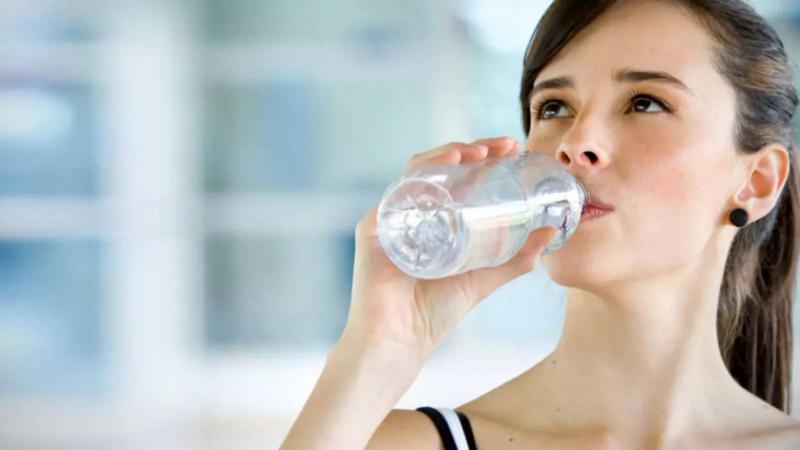
There is no one-size-fits-all amount when it comes to the appropriate water intake that the body needs. Water requirements differ from person to person based on factors like weight, age, physical activity level, climate conditions, and health status.
Moreover, water constitutes about 60% of the human body and plays an essential role in regulating body temperature, transporting nutrients, eliminating waste, and maintaining the health of joints, the brain, and other organs. Therefore, knowing the right amount of water can help prevent dehydration and enhance physical and mental performance.
Why Does the Body Need Water?
Water is vital for the continuation of normal bodily functions. It is involved in most daily biological processes. Additionally, water helps regulate body temperature, improve digestion, and transport oxygen and nutrients to cells. It also supports kidney health, aids circulation, lubricates joints, and replenishes fluids lost through sweating, breathing, and urination.
How to Calculate Your Daily Water Needs?

Method One: Mathematical Equation
You can estimate daily water needs by multiplying body weight in kilograms by 0.033. The result is the amount of water in liters the body needs daily.
For example:
If the weight is 60 kilograms, the approximate requirement is about 2 liters per day.
If the weight is 70 kilograms, the need is approximately 2.3 liters.
If the weight is 80 kilograms, the requirement reaches about 2.6 liters.
If the weight is 90 kilograms, the need is close to 3 liters per day.
Method Two: Nutrition Experts’ Rule
Many nutritionists recommend consuming between 30 and 40 milliliters of water for each kilogram of body weight. Thus, a person weighing 70 kilograms would need between 2.1 and 2.8 liters of water daily, depending on their physical activity and surrounding conditions.
Does This Amount Include All Fluids?
Yes, daily requirements include all sources of fluids, not just drinking water. Besides water, the body obtains part of its needs from tea, coffee, milk, natural juices, and soups, as well as water-rich fruits and vegetables like watermelon, cucumber, oranges, and tomatoes. However, water remains the best choice for staying hydrated without adding calories or excess sugars.
Factors That Increase the Body's Water Needs
The body's needs do not stay constant all the time. There are circumstances that require increased fluid intake to maintain water balance.
Physical activity
During exercise or physical exertion, the body loses additional water through sweating. Therefore, it is advised to add about 340 milliliters of water at least when engaging in physical activity for 30 minutes, increasing the amount as the intensity or duration of the exercise rises.
Hot and humid weather
In hot or humid weather, the rate of sweating increases, and consequently, the body requires more water to replace lost fluids and prevent dehydration or heat exhaustion.
Health condition
The body loses large amounts of fluids with fever, diarrhea, or vomiting. Therefore, those affected need to drink extra water and fluids to compensate for the loss. In some cases, doctors may recommend using electrolyte solutions to maintain fluid balance in the body.
Pregnancy and breastfeeding
Pregnant and breastfeeding women need greater fluid intake to support fetal growth, milk production, and maintain body hydration. Hence, doctors advise gradually increasing water intake during these stages while adhering to medical guidelines.
How Do You Know You're Drinking Enough Water?

Urine Color
Urine color is one of the best indicators of hydration status. If it's light yellow or relatively clear, this usually indicates that the body is getting enough fluids. Dark yellow urine suggests a need to increase water intake.
Feeling thirsty
Thirst is one of the body's natural signals prompting fluid deficit. However, it is not preferable to wait until feeling intense thirst, especially for seniors or during physical activity, as the sensation of thirst may be delayed in some situations.
Body Activity
Good hydration helps maintain energy, focus, and reduce feelings of fatigue and headaches, whereas unexplained fatigue may be a sign of fluid deficiency.
Is Excessive Water Intake Harmful?
Although water is essential, drinking very large amounts in a short period can lead to low sodium levels in the blood, a condition known as water intoxication.
This condition is rare and typically occurs in individuals who drink excessive amounts of water without actual need or during prolonged athletic events. Therefore, it is advised to drink water according to the body's needs and not overconsume it.
Tips for Maintaining Body Hydration
To ensure you meet your daily water needs, you can follow these tips:
- Start your day with a cup of water after waking up.
- Carry a water bottle with you during work or study.
- Drink water before feeling thirsty.
- Increase water intake during exercise.
- Eat water-rich fruits and vegetables more often.
- Reduce sugary drinks and replace them with water.
- Regularly monitor urine color to ensure hydration levels.
In conclusion, there is no single amount that suits everyone for adequate water intake. You can easily calculate your daily need based on weight, with increased intake during exercise, heat exposure, or pregnancy and breastfeeding. Most importantly, listen to your body's signals, like urine color and thirst, to maintain proper hydration that supports heart, brain, kidney health, and all bodily functions.
See also
How to Get Rid of Belly Fat?