


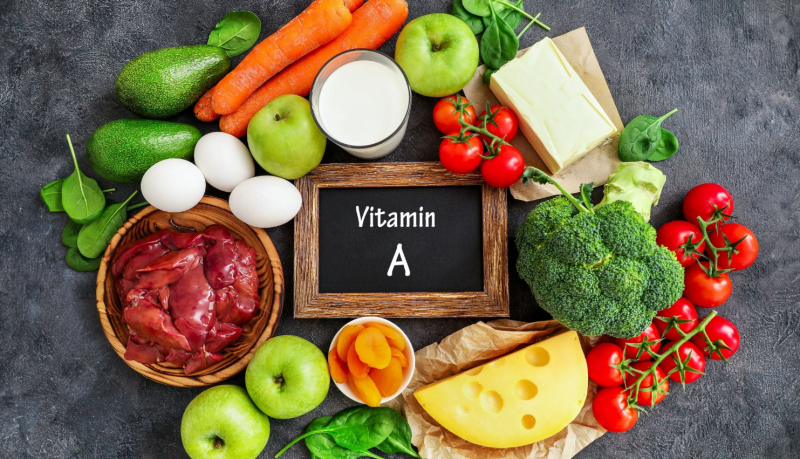
Your body requires Vitamin A to support numerous vital functions, including maintaining healthy vision, supporting the immune system, renewing skin cells, and tissue growth.
Most people can meet their daily needs through a balanced diet that includes vegetables, fruits, and some animal products.
However, certain individuals may need to take Vitamin A supplements in specific situations, especially when there is a proven deficiency or health conditions affecting its absorption.
Conversely, taking this vitamin unnecessarily or in high doses can lead to accumulation in the body and adverse effects, so it should be used under medical supervision.
When Should You Take Vitamin A Supplements?

1. When there is a Proven Deficiency
One of the primary reasons for using supplements is a Vitamin A deficiency, particularly if tests show low levels in the body.
Signs of deficiency can manifest as:
- Poor vision, especially in low light.
- Dry eyes.
- Dry skin.
- Weakened immunity and frequent infections.
- Slow wound healing.
In this situation, a doctor will determine the appropriate dosage based on the deficiency level and health condition.
2. When Absorption Issues are Present
Some individuals may require Vitamin A supplements if they have conditions that affect fat absorption since Vitamin A is a fat-soluble vitamin.
Conditions affecting absorption may include:
- Certain bowel diseases.
- Nutrient absorption disorders.
- Liver or pancreatic diseases.
3. In Cases of Malnutrition
A doctor may recommend Vitamin A supplements for those not getting sufficient amounts due to an imbalanced diet or severe lack of dietary sources.
This is particularly important for children, pregnant women, and other groups at risk of deficiency.
4. As Decided by a Doctor for Certain Medical Conditions
Vitamin A supplements might be used in specific treatment plans, but this depends on diagnosis and health condition, and it is not advisable to use them arbitrarily.
Best Time to Take Vitamin A Supplements
If prescribed by a doctor, Vitamin A supplements are best taken:
- With a meal containing some healthy fats, as the vitamin is absorbed better with fats.
- At the time specified by the doctor based on dosage and condition.
It is not recommended to take additional doses merely for skin or hair improvement without evaluating actual need.
The Difference Between Vitamin A from Diet and Supplements
Diet provides balanced amounts of Vitamin A, while supplements may contain high concentrations that can exceed daily needs.
Thus, obtaining Vitamin A from natural sources is often the best option for those without deficiencies.
See Also: