


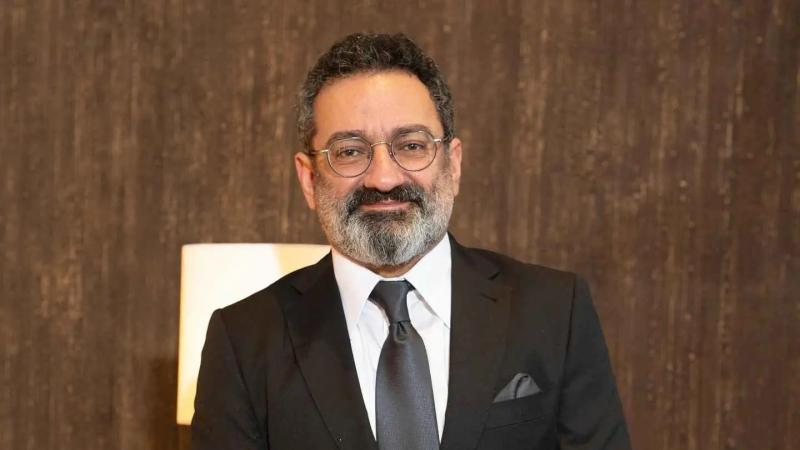
Lebanese stars have played a significant role in the history of Lebanese art. For decades, the theater stage has been the first school to refine talents and introduce names that have become prominent Arab world stars.
Lebanese theater was not just a space for entertainment. It played a pivotal role in artists' formation, helping them develop acting, singing, and recitation skills. Furthermore, Lebanese theatrical schools, particularly the Rahbani school, contributed to building a cultural legacy that continues to influence today.
Lebanese Theater: A Star Factory
Since the 1960s, Lebanese theater has held a leading position in the Arab cultural scene, benefiting from artistic diversity and openness to global schools.
Renowned names like Assi and Mansour Rahbani, Mounir Abou Debs, and Raymond Jabara established a creative environment that produced generations of artists who later transitioned to television, cinema, and music.
Lebanese Stars Who Started Their Journey on Stage
1. Antoine Kerbage
Antoine Kerbage is considered a pillar of Lebanese classical theater, beginning his artistic career in the 1960s with "The Modern Theater Workshop."
Throughout his career, he presented memorable theatrical works before becoming one of the most prominent stars of Lebanese and Arab drama, leaving an exceptional mark on viewers' memory.
2. Rafic Ali Ahmad
Rafic Ali Ahmad started his artistic journey from the theater, gaining widespread fame through monodrama performances relying on a single actor. His works like "Zawareeb" and "The Bell" were critically and popularly successful, paving the way for him to become one of the leading figures in joint Arab dramas.
3. Georges Khabbaz
Georges Khabbaz is regarded as a comprehensive artistic phenomenon in Lebanon. Combining writing, acting, and directing, he has presented successful theatrical works merging comedy and social critique for over two decades. He later achieved remarkable success in cinema and television, solidifying his place as one of Lebanon's most important modern artists.
4. Majida El Roumi
Although her name is linked with singing, Majida El Roumi's beginnings are tied to theater and artistic programs. The late director Youssef Chahine's choice of her for the film "The Return of the Prodigal Son" was a pivotal point in her career after she had captured attention with her stage and television performances.
5. Ramy Ayach
Ramy Ayach started his artistic journey by appearing on the "Art Studio" stage in 1996. His golden medal win opened the doors of fame, making him one of the most prominent singing stars in Lebanon and the Arab world.
6. Julia Boutros
Julia Boutros began on the school stage and in artistic choirs before building a singing career that spanned decades. Her mass concerts became a natural extension of her early theater connection, playing a crucial role in shaping her artistic personality.
The Rahbani School and Star Making
No discussion of Lebanese theater is complete without mentioning the Rahbani School, founded by brothers Assi and Mansour Rahbani. This school was a launching platform for many artists, including Fairuz, Wadih El Safi, and Nasri Shamseddine, alongside notable names such as Ghassan Saliba and Rony Fahed.
The Rahbani works presented a comprehensive artistic model combining music, poetry, and acting, deeply impacting Arab culture.
Why Is Theater Important for Artists?
Many critics view the theater as the true school for artists because it provides an opportunity to develop skills directly in front of an audience. It also builds self-confidence and refines performance tools, explaining the success of many artists who started on its stage before moving to other artistic fields.
Lebanese Theater: Past and Present
Despite challenges faced by Lebanon's cultural sector in recent years, the theater remains a crucial source of creativity.
Young artists continue to present new works, reflecting the ongoing cultural legacy and offering hope for a new wave of stars in the future.
In conclusion, the stories of Lebanese stars who began their journey on stage highlight the significant role of the theater in crafting names that have left a mark on Arab art. With this enduring artistic legacy, Lebanese theater remains one of the key sources enriching culture and arts in the Arab world.
See Also
Lebanese Actors Who Achieved Broad Arab Fame