


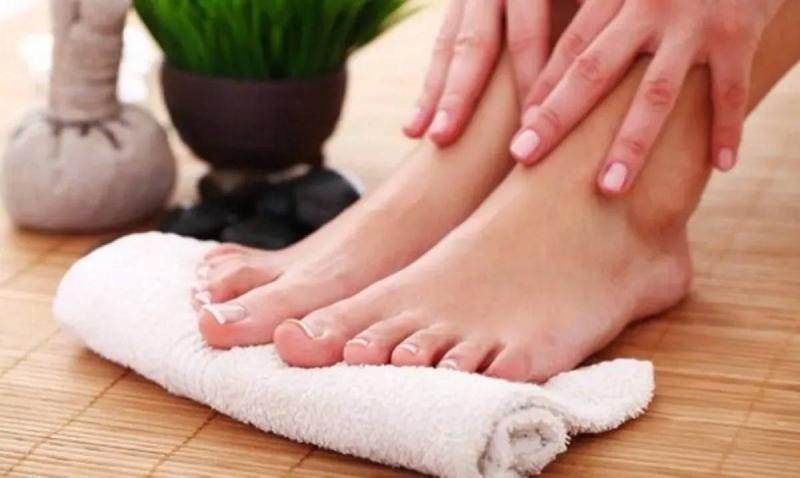
Achieving soft feet extends beyond merely applying a moisturizer cream when experiencing dryness. It involves a comprehensive routine that includes gentle exfoliation, consistent moisturization, and healthy daily habits. The feet endure the body's pressure throughout the day, making them prone to dryness, dead skin accumulation, and cracks, especially during the summer or prolonged standing.
Over time, minor cracks may escalate into a bothersome issue, causing pain and impacting walking comfort. Additionally, neglecting foot care might increase the likelihood of infections or fungi in some situations.
Why Do Feet Become Dry?
The skin on the feet lacks the sebaceous glands that aid in natural moisturizing, hence losing moisture more easily compared to other body parts. Continuous friction with shoes, prolonged standing, and barefoot walking can thicken the skin as a natural defense mechanism, causing roughness and cracks over time.
Moreover, factors such as insufficient water intake, exposure to dry weather, and inappropriate footwear choices contribute to increased foot dryness.
Weekly Exfoliation and Care Routine

Soak Feet in Warm Water
Start by soaking your feet for 10 to 15 minutes in warm water. Adding Epsom salt or a few drops of tea tree oil can help soften rough skin and provide comfort. Soaking facilitates the removal of dead skin and makes exfoliation safer and more effective.
Gently Use Pumice Stone
After soaking, use a pumice stone in gentle circular motions on the heels and rough areas. Avoid using sharp metal files or forcefully removing skin, as this can cause small cuts and encourage thicker skin regrowth.
Thoroughly Dry Feet
After washing your feet, ensure they are thoroughly dried with a clean towel, paying attention to the area between the toes. This helps reduce moisture that could create an environment conducive to fungal or bacterial growth.
Deep Moisturization Is Key to Smoothness
Using any moisturizer is insufficient; it's crucial to select products containing effective ingredients to repair dry skin.
Use Creams Rich in Hydrating Ingredients
Choose creams with 10% to 20% urea, salicylic acid, or medical-grade petroleum jelly, as these ingredients help moisturize the skin and progressively smooth rough areas.
Additionally, applying the cream after bathing or soaking the feet enhances skin readiness to absorb moisture.
Wear Cotton Socks While Sleeping
Apply a generous layer of cream or petroleum jelly before bed, then put on clean cotton socks. This step retains skin moisture overnight, enhancing foot smoothness and reducing cracks with consistent use.
Change Some Daily Habits
Certain daily practices can directly impact foot health. Adjusting these practices aids in preventing dryness.
Avoid Walking Barefoot
Walking without shoes, especially on hard surfaces, increases heel friction, prompting the skin to develop thick, rough layers for protection. Opt for comfortable footwear or home slippers that reduce foot pressure.
Ensure Adequate Water Intake
Hydrating the body starts internally, so drinking at least eight glasses of water daily helps maintain skin elasticity and reduce dryness, particularly in hot weather.
Select Appropriate Footwear
Shoe type significantly affects foot health. Very high-heeled or backless shoes may heighten heel pressure, leading to skin stretching and crack formation. Ensure your shoes offer good support, reducing friction.

Signs That Require Medical Attention
While most foot dryness issues can be managed with home care, certain symptoms necessitate seeing a doctor. These include:
- Deep cracks causing bleeding.
- Severe pain while walking.
- Redness or swelling.
- Discharge from cracks.
- Persistent dryness despite regular care.
- Diabetics with any foot wounds or cracks.
Common Mistakes That Increase Foot Dryness
Certain practices may worsen the issue without realizing it. Noteworthy examples include:
- Using excessively hot water.
- Forcefully removing dead skin.
- Neglecting daily moisturization.
- Wearing uncomfortable shoes.
- Using products with irritating ingredients.
- Failing to dry feet after washing.
In conclusion, maintaining soft feet doesn't require complex procedures. It involves sticking to a simple routine combining gentle exfoliation, deep moisturization, and healthy daily habits.
Over time, these steps lead to softer, more comfortable feet with less likelihood of cracks and dryness. Remember, regular care is far better than waiting for a problem to arise and then seeking a solution.
Also, see:
Reasons Behind Nail Breakage in Women