


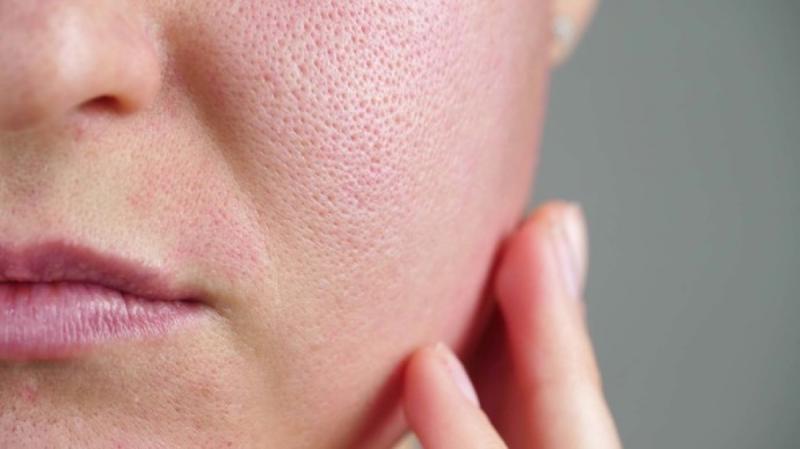
Pores are natural openings on the surface of the skin that allow the release of oils produced by sebaceous glands. They cannot be completely eliminated, but their size may appear larger due to several factors.
Pores become more noticeable when oils and dead cells accumulate inside them. Oily skin and acne can also make them more apparent. As we age, the skin loses some of its firmness and elasticity, making the pores appear larger. Additionally, frequent sun exposure can damage collagen and reduce skin firmness.
There is no one-size-fits-all treatment for pores. It all depends on the cause, skin type, and associated issues.
Top 10 Ways to Treat Enlarged Pores:
{{PLACEHOLDER_0}}
1. Cleanse Your Skin Twice Daily
Proper skin cleansing is fundamental to minimizing the appearance of pores, especially for those with oily or pore-clogged skin.
Gentle cleansing helps remove excess oils and impurities that can accumulate in the pores. However, excessive washing or vigorous scrubbing can irritate the skin and make pores more noticeable.
It's best to use a gentle, non-comedogenic cleanser and to wash your face with lukewarm water instead of very hot water.
2. Use Salicylic Acid
Salicylic acid is beneficial for skin struggling with clogged pores and blackheads because it helps remove dead cells and reach trapped oils within the pores.
It can be found in some cleansers and products designed for acne-prone skin. Using it appropriately may keep the pores cleaner and less visible.
However, excessive use can cause dryness or irritation, so introduce it gradually into your skincare routine considering your skin type.
3. Try Retinol
Retinol is a vital option for improving pore appearance, particularly when clogged pores or reduced skin elasticity are factors.
It aids in increasing cell renewal and preventing dead cell buildup within the pores. It can also stimulate collagen production, helping to refine skin texture and minimize pore visibility over time.
It's preferable to use retinol at night and start applying it gradually since the skin may need time to adjust. Always use sunscreen during the day.
Retinol products are not recommended during pregnancy or breastfeeding according to the American Academy of Dermatology.
4. Use Non-Comedogenic Products
Certain skincare or makeup products can increase pore clogging, especially for oily or acne-prone skin.
Prefer products labeled “non-comedogenic” to minimize fat and ingredient accumulation within the pores, making them less noticeable.
This applies to cleansers, moisturizers, sunscreens, and cosmetics used on the face.
5. Exfoliate Properly
Proper exfoliation can help remove dead cells accumulating on the skin surface or within the pores, improving skin texture and reducing pore appearance.
Exfoliants may include alpha hydroxy acids and beta hydroxy acids, such as salicylic acid and glycolic acid.
Yet, over-exfoliating may irritate or dry out the skin. Excessive exfoliating does not guarantee better results. Choose exfoliation type and frequency according to skin type and sensitivity.
6. Regular Skin Moisturization
Owners of oily skin might think moisturization increases pores or oils, but neglecting it could dry out and irritate the skin.
Opt for a lightweight, non-comedogenic moisturizer, especially for oily or combination skin. Preserving the skin barrier can make it more balanced and resilient against active ingredients used to treat clogs.
7. Use Sunscreen Daily
Repeated exposure to UV rays harms collagen, affecting skin firmness, making pores more apparent with time.
The American Academy of Dermatology recommends a broad-spectrum sunscreen with SPF 30 or higher, applied daily.
Sunscreen’s importance goes beyond reducing pore appearance; it protects against long-term UV damage.
8. Treat Acne and Blackheads
Acne and clogged pores can make pores appear more visible. Thus, addressing the root cause may enhance skin appearance.
Various components are used in treating acne and clogged pores, like salicylic acid and retinoids, and other treatments determined by a dermatologist based on the condition.
Refrain from squeezing blackheads or pimples manually as frequent pressure may inflame or damage the skin, raising scarring chances.
9. Chemical Peels with a Dermatologist
If home care isn’t enough, a dermatologist can assess the possibility of a suitable chemical peel for the skin type.
Certain peels use acids to remove dead cells, refine skin texture, and reduce pore clogs, but the substance choice, concentration, and session number depend on the skin condition.
Avoid strong peels at home, particularly for sensitive skin or those with pigmentation or inflammation issues.
10. Microneedling
Microneedling is a potential option discussed with a dermatologist when pores are visible due to reduced skin elasticity or texture issues.
This treatment creates micro-injuries to stimulate skin repair and regeneration, enhancing skin texture and diminishing pore appearance in some individuals.
This treatment should be conducted by a qualified professional, as incorrect device usage could irritate or cause complications.
Can Pores Be Closed Permanently?
Pores cannot be closed permanently since they are a natural part of the skin. Therefore, the realistic goal of skincare is to reduce their appearance and make them less visible rather than trying to close them permanently.
Pores can become less noticeable when the skin is clean, unclogged, and maintains proper moisture and sun protection. Components like retinol and salicylic acid can help improve their appearance with regular use.
Does Oily Skin Make Pores Bigger?
Oily skin can make pores appear more visible because increased oil secretion might elevate the chances of pore clogs and accumulation of oils and dead cells.
This doesn't imply oily skin is the sole reason for large pores; genetics, age, sun exposure, skin elasticity, and acne are factors affecting pore appearance.
When Do Enlarged Pores Need a Dermatologist?
If pores are accompanied by severe acne, persistent blackheads, inflammation, or scarring, visiting a dermatologist may help identify the root issue and set up a proper treatment plan.
A doctor can evaluate if the problem is due to reduced skin elasticity, pore clogs, or another skin issue, and then determine if medical treatments or dermatological procedures are appropriate.
See Also: