


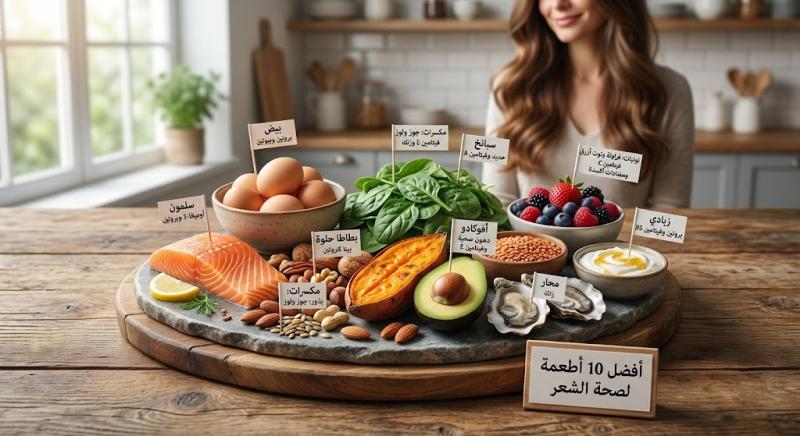
Hair follicles require a range of nutrients to function optimally. A deficiency in elements such as iron, protein, zinc, or biotin can lead certain individuals to experience increased hair loss.
No single food can address all the causes of hair loss. However, selecting foods rich in nutrients can help support hair health when diet is part of the issue.
Top Foods for Hair Health:

1. Eggs
Eggs are ideal for a hair health-supportive diet as they provide protein, biotin, and other nutrients. The body requires protein to produce keratin, the primary component of hair. Egg yolks contain biotin, a B vitamin linked to healthy hair, skin, and nails.
It's preferable to consume eggs as part of a varied diet rather than relying on them solely for hair nutrients.
2. Fatty Fish
Fatty fish like salmon, sardines, and tuna are beneficial for hair health due to their protein and Omega-3 content, with some varieties offering Vitamin D.
Omega-3 fatty acids support cell functions and can contribute to a healthy scalp and hair. Fish also provides a range of essential vitamins and minerals.
3. Lentils and Legumes
Lentils and legumes are notable for their protein, iron, and zinc content—key nutrients for those relying more on plant-based protein sources.
Iron plays a pivotal role in hair growth, and its deficiency may lead to hair loss. Consuming plant-based iron sources along with Vitamin C-rich foods can improve iron absorption.
Suitable options include lentils, beans, chickpeas, and various legumes.
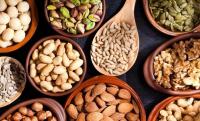
4. Nuts and Seeds
Nuts and seeds offer a mix of healthy fats, minerals, and beneficial nutrients within the diet.
Almonds, walnuts, pumpkin seeds, and flaxseeds are good options that provide zinc, biotin, healthy fats, and plant-based Omega-3s.
Consuming them in moderation is advisable due to their high-calorie content.
5. Leafy Greens
Spinach and other leafy greens benefit hair health by providing iron, folate, and a variety of nutrients.
Iron is particularly important when hair loss is linked to its deficiency. Incorporating leafy greens into a balanced diet alongside other iron and protein sources is advised.
Spinach can be enjoyed in salads or added to daily meals.
6. Red Meat
Red meat supplies protein, iron, and zinc, essential for bodily functions and hair growth.
Iron's significance grows when evaluating some hair loss cases, warranting blood tests for deficiencies in those with noticeable hair loss.
Moderation is key when incorporating red meat into a balanced diet.
7. Chicken
Adequate protein is crucial for hair. Chicken serves as a practical protein source in the daily diet.
Protein becomes more essential when the diet is low-calorie or lacks diverse protein sources. The American Academy of Dermatology notes that insufficient protein can be linked to hair loss.
Opt for cooking methods that minimize added fats, like grilling or baking.
8. Sweet Potatoes
Sweet potatoes contain beta-carotene, which the body converts into Vitamin A, along with biotin content.
While Vitamin A is vital for normal functions, excessive intake—especially from supplements—might harm hair. Thus, obtaining nutrients from a balanced diet is generally better.
9. Vitamin C-rich Fruits and Vegetables
Vitamin C enhances iron absorption from plant sources. Combining iron-rich foods with Vitamin C sources in meals is beneficial.
Sources include bell peppers, oranges, strawberries, among others, also contributing to collagen formation, a vital protein.
A practical example is pairing lentils or spinach with a salad containing bell peppers or adding Vitamin C-rich fruits to meals.
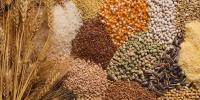
10. Whole Grains
Whole grains can form a significant part of a balanced diet for hair health due to their B vitamins, some minerals, and fiber content.
Whole grains also provide dietary biotin along with eggs, fish, nuts, and seeds.
Suitable options include oatmeal and other whole grains for breakfasts or snacks.
Key Nutrients for Hair Health:

Hair depends on a comprehensive range of nutrients, including:
Protein: Essential for building keratin, the main component of hair.
Iron: Aids in oxygen transport; deficiency may be linked to hair loss.
Zinc: Involved in tissue growth and repair.
Biotin: A B vitamin; its deficiency is rarely seen in those with a balanced diet.
Omega-3: Found in fish and some seeds/nuts; involved in cell functions.
Vitamin C: Enhances iron absorption from plant sources.
Vitamin D: Participates in hair growth cycles; deficiency may connect to certain hair loss cases.
Can Food Prevent Hair Loss?
Nutritious food can support hair health when an unbalanced diet or nutrient deficiency is a contributing factor, but it cannot prevent all types of hair loss.
Hair loss might result from genetic factors, thyroid disorders, hormonal changes, certain medications, stress, or specific diseases. Persistent or increasing hair loss requires identifying the cause rather than solely altering the diet.
Is Biotin Necessary for Hair Growth?
Biotin is often discussed in the context of hair health, though its deficiency is uncommon in individuals with a balanced diet.
Medical sources indicate that biotin deficiency could lead to hair loss, but high doses of biotin supplements won't necessarily enhance hair growth in non-deficient individuals.
Biotin is best obtained from foods like eggs, fish, nuts, seeds, and whole grains, avoiding unnecessary supplementation without medical advice.
Are Hair Supplements Better Than Food?
Not necessarily. If dietary needs are met through a balanced diet, extra supplements don't guarantee faster hair growth.
The American Academy of Dermatology warns against excessive intake of some supplements, like vitamins A and E, and selenium, which may correlate to hair loss.
If hair loss is evident, doctors can determine if tests for iron or other deficiencies are required.
Related Articles: Best Beauty Salons in Hamra, Lebanon
Best Skincare Centers in Lebanon
Breast Augmentation with Silicone: Types, Results, and Key Information