


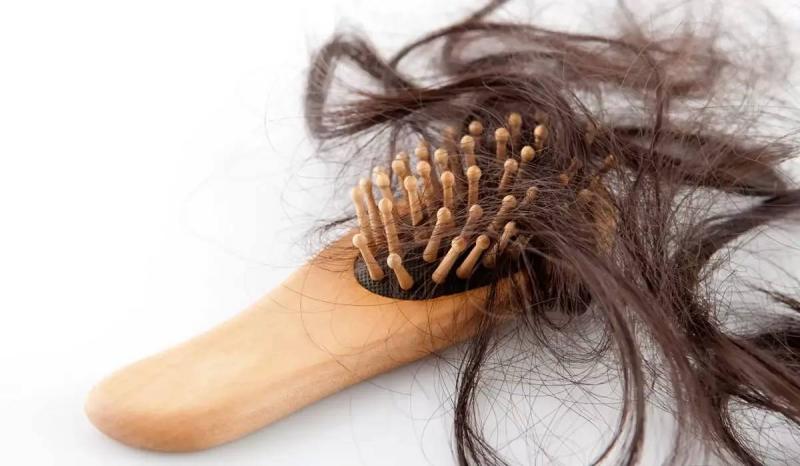
Hair loss is a natural part of the hair growth cycle, with individuals losing a certain amount daily. However, increased hair shedding, thinning hair, or bald patches can indicate an issue that needs assessment.
The pattern of hair loss varies with its cause, presenting as gradual thinning, widespread loss, or defined patches of baldness on the scalp.
Hair loss doesn't stem from a single cause for everyone; genetics, hormones, nutrition, health status, stress, and hair care all play a role. Understanding the cause can aid in choosing an appropriate management approach.
Understanding the Leading Causes of Hair Loss:
1. Genetic Factors
Genetics is one of the most common causes of hair loss, affecting both men and women with gradual thinning.
Genetically driven hair loss can start early or progress with age—in men, it's often noticeable at the forehead or crown, while women may see a widening part in the middle of the scalp. A family history of hair loss increases the likelihood but doesn't guarantee the same pattern across family members.
2. Stress and Physical or Emotional Stress
Severe stress can disrupt the hair growth cycle, increasing shedding, which might not occur immediately after the stressful event.
Hair loss can follow weeks or months after stressful events like severe illness, surgery, significant weight loss, or ongoing psychological stress, known as telogen effluvium, where more hair follicles enter a resting phase.
3. Hormonal Changes
Hormones significantly influence hair growth, with changes sometimes increasing hair loss in some individuals due to:
- Pregnancy and childbirth
- Menopause
- Thyroid disorders
- Hormonal contraceptives
- Other hormonal imbalances
Women may notice increased hair loss post-pregnancy, typically temporary.
4. Iron Deficiency and Nutrient Imbalance

Imbalanced nutrition affects hair health, especially lacking necessary elements.
Iron and protein are crucial for hair growth, with deficiencies in B vitamins and vitamin D linked to hair loss. Nutritional deficiencies can arise from restrictive diets, rapid weight loss, lack of dietary variety, or medical conditions affecting nutrient absorption.
It's vital not to take iron or vitamin supplements randomly but identify and assess deficiencies first.
5. Thyroid Disorders
Thyroid dysfunction affects hair growth, causing shedding whether the thyroid is overactive or underactive.
If a thyroid disorder is suspected, specific tests can diagnose and treating the disorder may help improve hair health.
6. Medical Conditions and Health Issues
At times, hair loss is a symptom of certain health conditions, including autoimmune diseases like alopecia areata, where the immune system attacks hair follicles.
Severe diseases or infections might temporarily disrupt hair growth, leading to shedding.
7. Medications and Medical Treatments
Certain medications, depending on type, dosage, and duration, can have hair loss as a side effect.
Chemotherapy, widely known for affecting rapidly dividing cells, including those for hair growth, frequently causes hair loss, alongside medications like antidepressants, blood thinners, blood pressure drugs, and hormonal therapies.
Discontinuing any prescribed medication due to hair loss should be consulted with a healthcare provider.
8. Tight Hairstyles
Repeatedly pulling hair can cause a type of hair loss known as traction alopecia.
Hairstyles causing strain include tight braids, ponytails, hair extensions, and styles pulling hair continually, which may cause permanent follicle damage if sustained.
9. Excessive Hair Dying and Chemical Treatments
Harsh chemical treatments can damage hair shafts, making them prone to breakage, particularly with frequent use.
This includes certain bleaching techniques, dyes, and strong chemical treatments, which can sometimes result in apparent hair shedding from root damage or shaft breakage.
Limiting harsh treatments and allowing recovery time between them is recommended.
10. Excessive Heat Usage
Overusing hair dryers, straighteners, and heat styling tools can weaken hair shafts, increasing breakage.
Repeated use at high temperatures exacerbates hair damage, especially alongside chemical treatments. Reducing heat tool usage and opting for lower temperatures is advisable.
11. Rapid Weight Loss and Restrictive Diets
Sudden weight loss or extreme dieting increases hair shedding, often tied to reductions in calorie, protein, iron, and nutrient intake.
Healthy weight loss should entail a balanced diet meeting essential protein and nutrient requirements.
12. Ageing
Hair growth cycles may change with age, with follicles becoming more sensitive to genetic and hormonal factors.
This can cause gradual hair density reduction over the years, even without clear health issues, varying by individual and often interacting with genetic and health factors.
How Can You Determine the Cause of Hair Loss?
Identifying hair loss causes isn't always simple, as multiple factors might be present concurrently.
A healthcare provider may assess based on medical and family history, hair loss pattern, and scalp examination, or request blood tests for conditions like iron deficiency or thyroid issues.
It's crucial to inform about recent weight loss, severe illness, significant stress, medication, dietary changes, or hair care routines when consulting a doctor.
Does Hair Loss Indicate a Disease?
Not necessarily, as it might be part of a natural hair cycle or a temporary result of stress, illness, weight loss, or hormonal changes.
However, prolonged or severe hair loss can suggest an issue needing assessment, particularly alongside noticeable thinning, bald patches, or other symptoms. It's important not to assume vitamin deficiency as the sole cause without proper evaluation.
See also:
Best Beauty Salons in Hamra-Lebanon
Best Skincare Centers in Lebanon
Silicone Breast Augmentation: Types, Results, and Key Information