


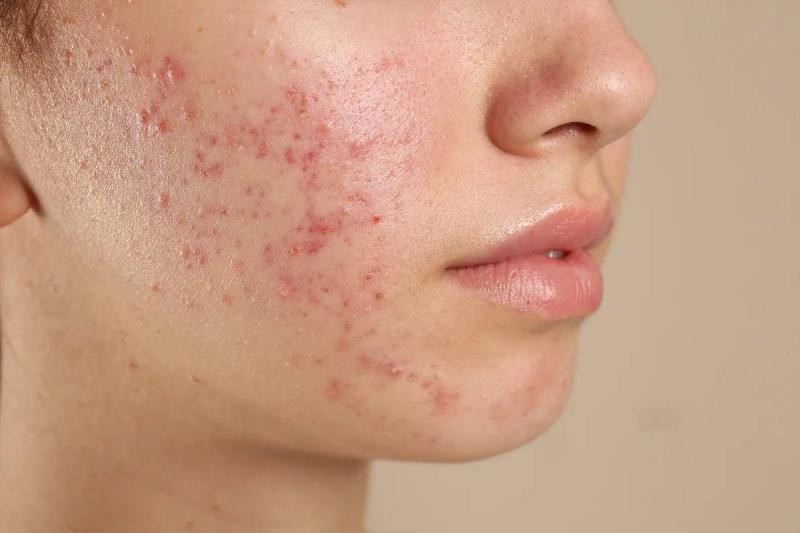
Acne is among the most common skin issues, appearing as blackheads, whiteheads, inflamed spots, or deep, painful pimples. Beyond their initial presence, these blemishes can leave behind dark or red spots and, in some cases, permanent scars. Early and appropriate treatment of acne is crucial to reduce new breakouts and minimize the likelihood of scarring.
Overcoming acne and its effects depends on the type of acne, its severity, and skin nature. The American Academy of Dermatology (AAD) recommends effective ingredients like benzoyl peroxide, topical retinoids, salicylic acid, and azelaic acid. Severe cases or those that cause scarring may require a dermatologist’s evaluation.
Top 10 Ways to Combat Acne and Scars
1. Use Treatment Suited to Acne Type
The first step in tackling acne is identifying its type and selecting the appropriate active ingredient. Blackheads and whiteheads often benefit from retinoids such as adapalene, while benzoyl peroxide can help with mild inflammatory acne. Salicylic acid is commonly used to unclog pores and address black and whiteheads.
Avoid starting multiple strong treatments simultaneously, as it may cause dryness and irritation, leaving the skin more sensitive.
2. Try Topical Retinoids When Suitable
Retinoids are important options in managing acne by helping prevent clogged pores and reducing new blemishes. Retinoids can also fade some dark spots left post-acne.
Starting gradually is key if the product suits your skin, as excessive or incorrect retinoid use might cause irritation and peeling.
Important: Retinoids are not recommended during pregnancy. It’s preferable to consult a doctor before using any acne treatment during or planning pregnancy.
3. Use Benzoyl Peroxide for Inflamed Acne
Benzoyl peroxide is an effective ingredient in treating acne and is recommended by AAD guidelines, particularly for inflammatory acne treatment plans.
It’s best to start with a concentration suitable for your skin. The AAD suggests beginning with a 2.5% concentration to reduce potential dryness and irritation compared to higher concentrations.
4. Benefit from Salicylic Acid for Pore Cleaning
Salicylic acid helps exfoliate skin and unclog pores, proving especially helpful for blackheads and whiteheads.
However, overuse of exfoliants or products containing multiple acids can irritate the skin, so it's better to stick to an appropriate product and use it as directed rather than combining several exfoliants at once.
5. Use Azelaic Acid for Spots and Blemishes
Azelaic acid can assist in treating acne and may help lighten dark spots left after acne.
This might be an important option for those with acne coupled with post-inflammatory pigmentation, especially when the main issue is flat acne marks rather than sunken scars.
6. Gently Cleanse the Skin Without Scrubbing
Washing your face harshly won't make acne disappear faster but can actually aggravate the skin.
The AAD recommends gently washing your face up to twice daily and after sweating with a mild, non-abrasive cleanser, avoiding vigorous scrubbing with towels, sponges, or rough tools.
Opt for products labeled Non-Comedogenic, particularly when choosing moisturizers and sunscreen.
7. Avoid Squeezing or Picking at Pimples
Squeezing pimples can be one of the most habits exacerbating the issue instead of resolving it.
Touching or squeezing pimples can prolong inflammation and increase the chance of dark spots and scars. Squeezing deep pimples can also raise the risk of infection and pigmentation.
Even if a pimple seems ready to pop, it's better to leave it to proper treatment rather than pressing it.
8. Apply Sunscreen Daily
Acne marks can appear more pronounced with sun exposure. Besides, some acne treatments can make the skin more sensitive to the sun.
Therefore, the AAD recommends using a broad-spectrum, water-resistant sunscreen with SPF 30 or higher exposure. Opt for non-comedogenic types.
Sunscreen is a crucial component of acne mark treatment plans, not a mere cosmetic addition.
9. Differentiate Between Acne Spots and Scars
Mistaking flat spots following acne as permanent scars is a common error.
Flat spots appearing red or dark after acne may be post-inflammatory hyperpigmentation, which differs from sunken or raised scars. Some spots may gradually fade, while ongoing cases need suitable treatment.
True scars, such as depressions or raised scars, may require specialized dermatological procedures, typically after acne control and new spot prevention.
10. Consult a Dermatologist if the Issue Persists
If acne is severe, deep, painful, or starts causing scars, a visit to a dermatologist becomes critical.
Patients might require prescription treatments such as specific antibiotics, hormone treatments, or isotretinoin, depending on the diagnosis and health condition. AAD guidelines emphasize diverse topical and systemic options for cases needing medical intervention.
Avoid self-prescribing isotretinoin or antibiotics for acne, as these medications need medical evaluation and follow-up.
How Long Does Acne Treatment Take?
Acne treatment results don’t typically appear within a few days. According to AAD, some individuals may notice a reduced number of pimples after 4 to 8 weeks, while significant improvement may take months.
Switching products every few days could irritate the skin instead of improving it. It's crucial to give the appropriate treatment ample time, adhering to usage instructions.
How to Quickly Diminish Acne Marks?
The speed at which acne marks improve depends on the mark type, skin color, and inflammation level. If the marks are flat, dark spots, ingredients like azelaic acid and retinoids, alongside sun protection, may help.
However, sunken or raised scars can’t usually be resolved with just a cream and may require procedures determined by a dermatologist once the active acne is controlled.
Mistakes to Avoid in Acne Treatment
Certain habits might worsen acne or increase its marks, including:
- Squeezing pimples and blackheads.
- Scrubbing the face vigorously.
- Using multiple exfoliants simultaneously.
- Quickly switching treatments without giving them enough time.
- Sleeping without removing skin-appropriate cosmetics.
- Using greasy or pore-blocking products.
- Trying irritating homemade remedies.
- Applying toothpaste on pimples.
The AAD stresses that toothpaste isn’t an effective acne treatment and might cause skin irritation, so it’s best to rely on scientifically-proven ingredients.
When Does Acne Need a Doctor?
Consulting a dermatologist is advised if acne is deep, painful, leaves scars, or doesn’t improve after adhering to a suitable treatment for several weeks.
A large number of dark spots post-acne could also warrant medical evaluation, as a doctor can devise a plan integrating acne treatment and pigmentation management while preventing new marks.
Conclusion
Getting rid of acne and its scars starts with treating the blemishes themselves, then addressing the remaining spots or scars based on their type. Key options used by dermatologists include benzoyl peroxide, retinoids, salicylic acid, and azelaic acid, alongside gentle skin cleansing and sun protection.
The most important step is avoiding pimple squeezing or trying random recipes that may heighten inflammation. If acne is severe, deep, or leaves scars, visiting a dermatologist helps select the most suitable treatment and reduces the likelihood of lasting marks.
Also See