



The amount of blood during a menstrual period varies from woman to woman and can also change from cycle to cycle. However, when bleeding is heavier than normal, lasts longer, or impacts daily life, it may indicate a problem requiring medical evaluation.
Medically termed heavy menstrual bleeding, this condition can stem from various causes, including hormonal imbalances, uterine fibroids, endometriosis, adenomyosis, thyroid disorders, certain medications, blood clotting disorders, pregnancy, and its complications.
What is Heavy Menstrual Bleeding?
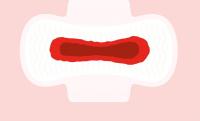
Determining the severity of menstrual bleeding doesn't rely solely on blood volume; it also considers the bleeding's impact on a woman's life.
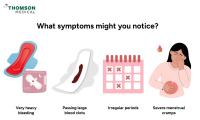
Signs indicating heavy menstrual bleeding may include:
- Frequent changes of sanitary pads or tampons.
- Need for multiple forms of protection due to severe bleeding.
- Passage of large and frequent blood clots.
- Bleeding lasting longer than your normal period.
- Waking up at night to change protection.
- Blood leaking onto clothes or bedding frequently.
- Fatigue or weakness from blood loss.
New or progressively heavier bleeding should be addressed and not deemed normal without evaluation.
Causes of Heavy Menstrual Bleeding
1. Hormonal Imbalance
Imbalances between estrogen and progesterone are common causes, especially when ovulation is irregular. This issue often occurs in the early years of menstruation or the years leading up to menopause.
2. Uterine Fibroids
Benign growths that can form inside the uterus, its wall, or on its surface may cause heavy menstrual periods, prolonged bleeding, pelvic pain or pressure, frequent urination, or lower back pain. Symptoms vary based on size, location, and number.
3. Adenomyosis
This condition involves uterine wall muscle growth resembling endometrial tissue, potentially causing heavy menstrual bleeding and severe period pain. It's more likely as women age but not limited to one age group.
4. Endometriosis
Endometriosis is linked with severe menstrual pain, pelvic pain, and bleeding disorders. It may cause painful menstruation, intercourse, bowel movements, or urination during menstruation, chronic pelvic pain, and difficulties conceiving.
5. Thyroid Disorders
Thyroid issues can impact menstrual cycles, with hypothyroidism sometimes increasing bleeding or causing irregular periods. Thyroid function tests may be conducted when heavy periods accompany other symptoms or lack a clear cause.
6. Blood Clotting Disorders
Some women’s heavy periods are related to blood clotting issues, marked by easy bruising, frequent nosebleeds, prolonged bleeding from cuts, or heavy bleeding following dental work or surgery.
7. Certain Medications
Some medications, particularly those affecting blood clotting or hormonal balance, may increase bleeding risk.
8. Copper Coil (IUD)
A copper IUD might increase menstrual blood volume or cramping, especially after insertion, but symptoms may improve over time. Persistent heavy bleeding warrants a consultation with a healthcare provider to rule out other causes.
9. Endometrial Issues
Changes or problems in the uterine lining can cause heavy or irregular bleeding. Polyps or fibrous growths within the uterus might be discovered via appropriate examination and imaging.
10. Pregnancy and its Complications
Unusual bleeding, possibly linked with miscarriage or ectopic pregnancy, requires prompt medical evaluation if pregnancy is suspected, rather than assuming it’s just a heavy period.
11. Approaching Menopause
As menopause nears, cycles can become irregular due to hormonal shifts. Some may experience heavier or more prolonged periods, necessitating evaluation, especially when new or clear changes occur.
What Are the Symptoms of Heavy Menstrual Bleeding?
- Heavy and frequent bleeding.
- Frequent pad changes.
- Large blood clots.
- Longer-than-usual periods.
- Fatigue and weakness.
- Dizziness or headaches.
- Pale skin when anemia occurs.
- Shortness of breath or palpitations with notable anemia.
Symptoms vary, hence comparing current bleeding to previous cycles could be useful for describing to a healthcare provider.
Does Heavy Menstrual Bleeding Cause Anemia?
Yes, repeated and heavy blood loss can lead to iron deficiency anemia, causing symptoms like fatigue, weakness, dizziness, headaches, pale skin, accelerated heartbeat, or shortness of breath in severe cases.
Blood tests may be required to check blood count and iron levels.
When is Heavy Menstrual Bleeding a Concern?
Heavy bleeding warrants evaluation when recurrent or affecting daily life significantly. Urgent medical help is needed for extremely severe bleeding paired with intense dizziness, fainting, marked weakness, shortness of breath, or severe pain, especially if pregnancy is possible.
Abnormal bleeding post-menopause should not be ignored.
Conclusion
The reasons for heavy menstrual periods are varied, ranging from simple hormonal changes to fibroids, adenomyosis, thyroid issues, blood clotting disorders, medications, or contraceptive methods like IUDs.
Aside from blood volume, long-lasting, interfering, or fatigue-inducing bleeding necessitates medical evaluation. Extremely heavy bleeding with fainting, drastic weakness, or potential pregnancy requires immediate care.
Related Articles