


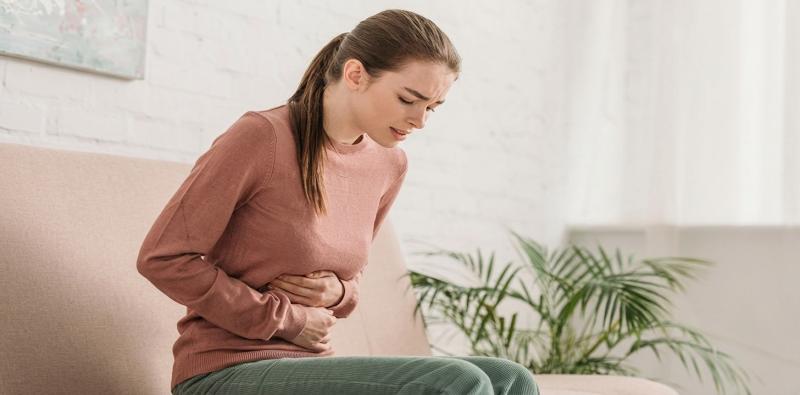
Menstrual cramps are a common symptom experienced by women, ranging from mild discomfort to severe pain that can interfere with daily activities. The pain often arises from uterine contractions during menstruation, triggered by chemicals known as prostaglandins.
However, severe menstrual cramps that worsen over time or affect daily life may indicate a medical condition requiring evaluation. Potential causes include endometriosis, adenomyosis, uterine fibroids, and pelvic infections, varying by age and accompanying symptoms.
What are Severe Menstrual Cramps?
Medically, menstrual pain is known as dysmenorrhea. It typically manifests as lower abdominal and pelvic cramps, beginning before or during menstruation and lasting for a limited period.
Symptoms may include:
- Lower back pain
- Pain radiating to the thighs
- Nausea
- Headaches
- Digestive issues
- Fatigue
- Dizziness
Normal pain levels vary, but severe, persistent pain that disrupts life calls for medical evaluation.
Causes of Severe Menstrual Cramps
There are various reasons why menstrual pain might be severe, often not determined by pain intensity alone.
- Increased Uterine Contractions: High prostaglandin levels can cause stronger contractions, resulting in primary dysmenorrhea.
- Endometriosis: Tissue resembling the uterine lining grows outside the uterus, leading to severe recurrent pain.
- Adenomyosis: Tissue grows into the uterine wall, causing painful periods, heavy bleeding, and pelvic discomfort.
- Uterine Fibroids: Benign growths can cause pain, heavy bleeding, and pelvic pressure.
- Pelvic Infections: These can lead to abdominal pain and unusual vaginal discharge.
- Cervical Stenosis: A narrow cervix can restrict menstrual flow, increasing pain.
- Ovarian Cysts: Some cysts cause pelvic discomfort, especially if complications arise.
- IUD Use: Increases cramps initially, particularly with certain types of IUDs.
When to Consult a Doctor
Consult a doctor if the pain:
- Prevents daily activities
- Increases with each cycle
- Is new or unusually severe
- Doesn't improve with treatment
- Is accompanied by heavy or unusual bleeding
- Occurs outside menstruation
- Is associated with difficulty conceiving
Emergency Situations
Immediate medical attention is necessary for sudden, severe pain, especially with symptoms like fainting, excessive bleeding, high fever, or if pregnancy is suspected.
Prevention and Management
While not all causes can be prevented, maintaining physical activity, quality sleep, and balanced nutrition can help manage pain. Persistent or worsening pain should not be ignored, and early medical evaluation is advisable for appropriate diagnosis and treatment.