


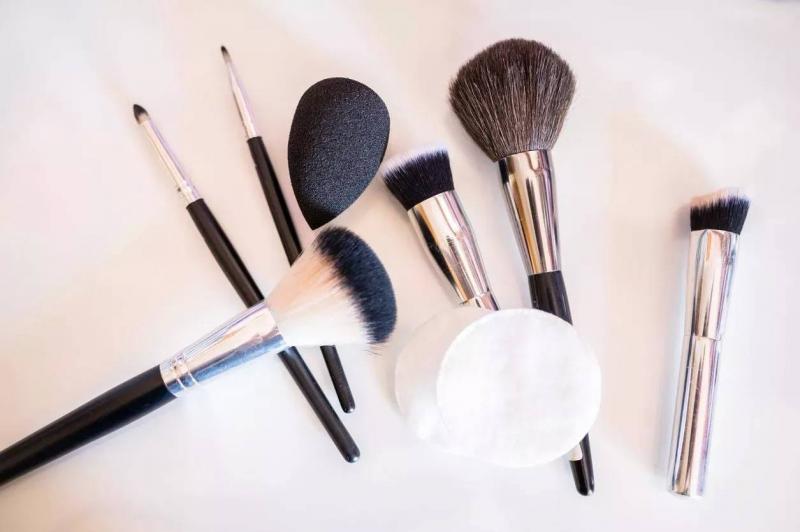
Cleaning makeup brushes is an essential step in maintaining your beauty tools. These brushes come into direct contact with the skin and collect residues of foundation, concealer, powders, and natural oils that can accumulate over time.
Neglecting regular brush cleaning can also affect the look of makeup. Colors become less vibrant, and products are harder to apply evenly.
Why You Should Clean Makeup Brushes Regularly
During daily use, makeup brushes collect product residues, dead skin cells, and oils, necessitating regular cleaning.
Brushes used with liquid and cream-based products like foundation and concealer are more prone to residue buildup due to their moist nature, requiring more care compared to powder brushes.
Weekly Deep Cleaning Steps for Makeup Brushes

1. Properly Wet the Brush Bristles
Start by running the brush bristles under lukewarm water. Direct the brush head downward and avoid letting water reach the metal part holding the bristles to prevent moisture from affecting the adhesive.
2. Apply Suitable Cleaner
Place a small amount of dedicated brush cleaner or gentle baby shampoo on the bristles. Brushes with heavy foundation or cream product residue may require a stronger cleanser to remove the oils and buildup.
3. Massage Bristles and Remove Residue
Gently massage the bristles in a circular motion on the palm of your hand until colors and makeup residue begin to emerge. Silicone cleaning tools for brushes can help reach deep into the bristles to remove stubborn product leftovers.
4. Thoroughly Rinse the Brush
Rinse the brush under running water, keeping the bristles pointed downward until the water runs clear. Proper rinsing is crucial, as leftover cleanser can make bristles stiff and hard to use later.
5. Dry Brushes Correctly
After washing, gently squeeze excess water from the bristles with your fingers. Use a dry towel to reshape the brush head, then lay the brush horizontally on a clean towel or flat surface with bristles angled slightly downward.
Avoid standing brushes in a cup while drying, as water can seep into the handle, weakening the glue and damaging the brush. Let brushes air dry naturally for 4-8 hours, depending on bristle thickness and density.
Quick Cleaning After Use
Not every cleaning requires a full wash, especially when needing to use the brush again soon. Use a quick-drying brush cleaner spray to remove makeup residue swiftly, wiping the bristles gently on a paper towel in circular motions until colors vanish.
This method is quick and makes brushes ready for immediate use, but doesn't replace the need for regular deep cleaning.
How Often Should You Clean Makeup Brushes?
The frequency of cleaning depends on the type of products used:
Liquid and Cream Product Brushes
Clean foundation and concealer brushes at least once a week because they collect residues from moist products that can quickly accumulate dirt.
Powder Brushes
Blush, powder, and eyeshadow brushes can be cleaned every two weeks, with a quick clean when changing colors used.
Makeup Sponge (Beauty Blender)
Makeup sponges should be washed after each use as they absorb large amounts of product and moisture. Squeeze them well after washing and let them dry in an open, dry place.
Common Mistakes When Cleaning Makeup Brushes

Using Very Hot Water
Very hot water can weaken the bristles and affect brush quality over time.
Soaking the Brush Entirely in Water
Submerging the brush in water can allow moisture to reach the handle, affecting its grip.
Using the Brush While Wet
Leftover moisture can impact makeup application and increase bacterial growth risk.
Neglecting to Clean Old Brushes
Even with regular cleaning, brushes need replacing when bristles damage or lose original shape.
Tips to Prolong Makeup Brush Life
- Store brushes in a dry, clean place.
- Avoid excessive pressure on bristles during cleaning.
- Use the right amount of cleaner.
- Let brushes dry fully before storing them.
- Dedicate separate brushes for liquid and powder products.
In conclusion, knowing how to clean makeup brushes properly helps maintain beauty tools, improves makeup results, and protects skin from bacteria and product residue buildup. Regular cleaning doesn't take much time but gives you cleaner brushes, a longer lifespan, and a more professional makeup experience.
Choosing the right cleaning method and sticking to a regular schedule keeps your tools always ready for use and maintains the quality of your products and the look of your skin.
See AlsoCost of Nose Surgery in Lebanon