


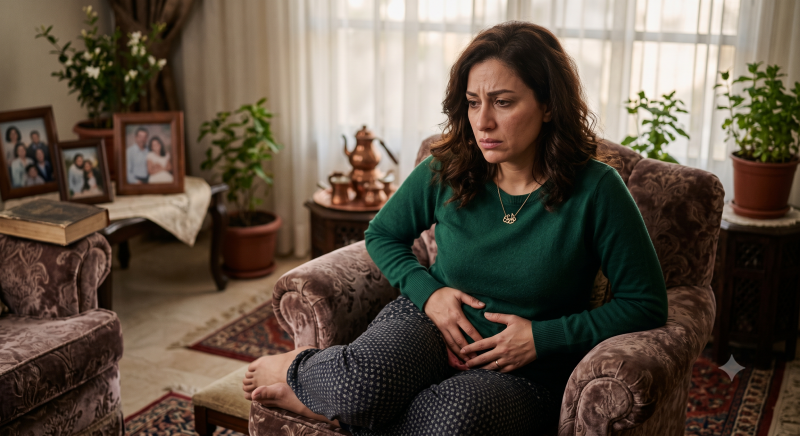
Endometriosis is a condition where tissue similar to the lining of the uterus grows outside of it, on the ovaries, fallopian tubes, intestines, bladder, or surrounding pelvic tissues. This tissue responds to hormonal changes during the menstrual cycle, causing inflammation, pain, and scar formation over time.
While some women only experience mild symptoms, others may suffer from severe pain or difficulties conceiving. The severity of symptoms does not always reflect the extent of the disease, so persistent or unusual symptoms should not be ignored.
Main Symptoms of Endometriosis:
[[PLACEHOLDER_0]]
Severe Menstrual Pain
Severe menstrual pain is the most common symptom of endometriosis, and it is often more intense than usual cramps, possibly starting days before periods and lasting throughout or beyond the menstruation. It may not respond to typical pain relievers.
Chronic Pelvic Pain
Many affected women suffer from constant or recurring pelvic pain during their periods or on regular days, affecting their ability to engage in daily activities and work.
Pain During or After Intercourse
Women may feel pain during or after intercourse, especially if endometrial spots are located behind the uterus or in the surrounding ligaments.
Heavy Menstrual Bleeding
Menstruation may become heavier or last longer, with some women experiencing bleeding between cycles.
Painful Urination or Bowel Movements
If endometriosis affects the bladder or intestines, there may be painful urination or bowel movements, especially during the menstrual period.
Digestive Disorders
Possible digestive symptoms include bloating, constipation, diarrhea, and nausea, often worsening before and during menstruation.
[PLACEHOLDER_1]
Fatigue
Some women experience continuous fatigue and exhaustion due to chronic pain, inflammation, or sleep disturbances.
Lower Back Pain
The pain may extend to the lower back or legs, typically increasing during menstruation.
Delayed Pregnancy
Endometriosis can be a cause of reduced fertility or delayed pregnancy for some women, affecting the ovaries, fallopian tubes, or surrounding egg environment.
Bleeding with Urine or Stool
In cases where endometriosis affects the bladder or intestines, there could be blood with urine or stool during the menstrual period, necessitating quick medical evaluation.
Why Do Symptoms Vary Among Women?
The severity of symptoms does not always correlate with the extent of endometriosis. A woman could have severe pain despite small spots, while another might experience mild symptoms despite extensive disease spread. This variation depends on the location of tissue growth, nerve and organ impact, and the body's inflammatory response.
Treatment Options for Endometriosis:
Treatment depends on the severity of symptoms and the woman’s desire for pregnancy, including:
Medications
Doctors may prescribe pain relievers or hormonal therapies to help control symptoms and reduce tissue growth.
Surgery
In some cases, surgery may be an option to remove endometriosis spots, especially in cases of severe pain or if fertility is affected.
Lifestyle
Regular exercise, sufficient sleep, and a balanced diet can improve quality of life for some, though they do not replace medical treatment.
See Also: