


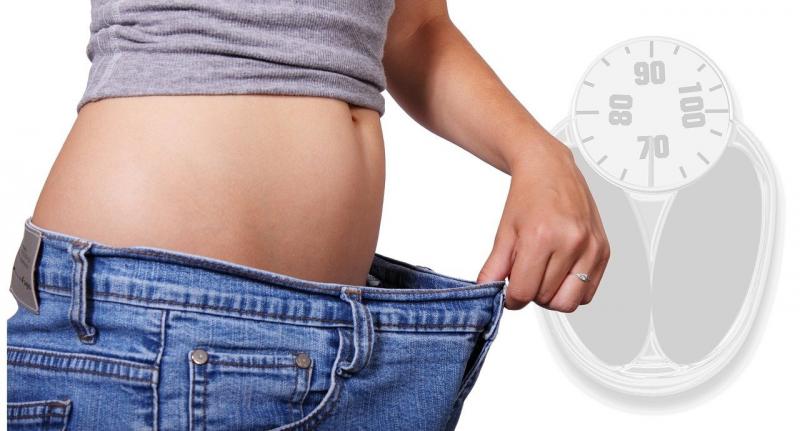
Losing weight is one of the most widely discussed topics, especially amid the spread of extreme diets that often lead to temporary results, followed by the regained weight. Nutrition experts emphasize that true success doesn't rely on total food abstinence but on establishing healthy habits that can be maintained for years.
Studies have shown that people who achieve sustainable weight loss are those who make simple and gradual modifications to their daily lifestyle. Here, we offer a set of practical advice to help reduce hunger, increase feelings of fullness, and improve metabolism without deprivation.
Why Do Extreme Diets Fail?
Many people resort to diets that significantly reduce calories in hopes of achieving fast results. However, this approach often leads to fatigue and constant hunger, making it difficult to stick to.
Moreover, deprivation can increase the craving for high-sugar and high-fat foods, leading to overeating later. Thus, nutrition experts recommend focusing on nutritional balance rather than complete restriction.
Tips for Losing Weight Without Deprivation

Focus on Fiber for Longer Satiety
Dietary fiber plays an important role in appetite control, as it helps slow digestion and maintain stable blood sugar levels.
Increase Vegetable Portions
Ensure that half of your plate at lunch and dinner is filled with fresh or cooked vegetables. Leafy greens such as spinach, lettuce, and arugula, along with broccoli, zucchini, and green beans, offer satiety with very limited calories.
Moreover, vegetables provide a wide range of essential vitamins and minerals to support overall health during weight loss.
Opt for Whole Grains
Replacing refined carbohydrates with whole grains is a smart step to enhance satiety. Oats, brown rice, and whole-grain bread contain more fiber compared to white bread and refined rice.
These foods also release energy gradually, reducing the likelihood of hunger between meals.
Protein: The Key to Preserving Muscle Mass
Protein is vital during weight loss as it helps enhance fullness and maintain muscle mass while reducing calories.
Nutrition experts recommend adding a protein source to each meal, such as grilled chicken, fish, eggs, Greek yogurt, or legumes.
Moreover, research indicates that protein increases the thermic effect of food, meaning the energy the body consumes during digestion, indirectly supporting calorie burning.
Eat Slowly
Although this advice seems simple, it’s one of the most effective habits in controlling appetite.
The 20-Minute Rule
The brain requires about 20 minutes to receive fullness signals from the stomach. Therefore, eating quickly can lead to consuming more before the body realizes it's full.
To apply this rule, try placing utensils down between bites and give yourself time to enjoy the meal and chew well. Additionally, slow eating improves digestion and reduces bloating after meals.
Avoid Distractions While Eating
Watching TV or browsing the phone while eating has become a common habit for many, but these behaviors can lead to eating more without noticing.
Studies suggest that mindful eating helps improve portion control. Thus, allocate mealtime away from screens, focusing on the taste of food and the fullness signals your body sends.
Drink Water Before Meals
Water is one of the simplest tools to support weight loss. Drinking a glass or two about 30 minutes before a meal may help reduce food intake, especially for those who confuse thirst with hunger.
Additionally, maintaining good hydration supports various body functions, including metabolism and digestive health.
Ensure Adequate Sleep
Weight loss isn't solely about diet and physical activity; sleep plays a pivotal role in regulating hunger and fullness hormones. Sleeping less than seven hours a day raises the level of ghrelin, the hormone that stimulates appetite, while lowering leptin, the hormone associated with feelings of fullness.
Therefore, it’s advised to get seven to eight hours of quality sleep each night, along with maintaining regular sleep and wake times.

Manage Stress to Maintain Weight
In contrast, chronic stress can increase cortisol levels, which is linked in some people to an increased desire to eat high-sugar and high-fat foods.
To manage daily stress, practices such as meditation, walking, or deep-breathing exercises can help. Additionally, hobbies and social activities improve mood and reduce emotional eating.
Reduce Liquid Calories
Sugary drinks are hidden sources of calories, as a single can of some sodas or commercial juices can contain a large amount of sugar.
Therefore, it’s preferable to replace these options with water or unsweetened tea or herbs. Adding lemon slices or mint to water gives a refreshing flavor without added calories, which over time, can lead to a reduction of hundreds of calories weekly.
Is Weight Loss Possible Without Exercise?
Although physical activity boosts weight loss and improves overall health, weight loss primarily depends on achieving a caloric balance.
However, incorporating moderate physical activities such as a 30-minute daily walk helps improve fitness and support long-term results. Exercise also helps preserve muscle mass, which is crucial for maintaining metabolism during weight loss.
Additional Tips for Sustainable Results
For optimal results, it’s recommended to set realistic goals and celebrate gradual progress rather than focusing solely on numbers. Planning meals ahead and keeping healthy snacks at home help avoid unhealthy choices when hungry.
Remember, flexibility is an essential part of any healthy lifestyle, so it’s perfectly okay to enjoy your favorite meal occasionally, within moderation.
In conclusion, losing weight doesn’t mean living in deprivation or sticking to extreme diets that are hard to maintain. Instead, small and accumulated changes, like increasing fiber and protein intake, drinking water, and getting adequate sleep, can make a significant difference over time.
See Also
Tips for Maintaining Ideal Weight