


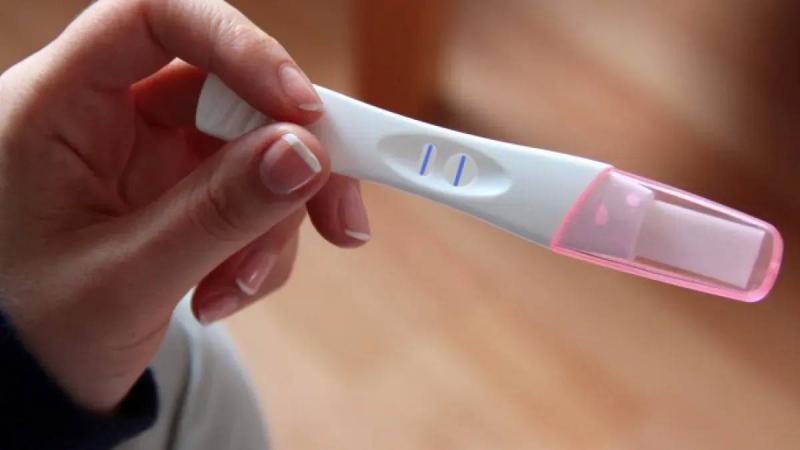
Early pregnancy signs are often a topic of interest among women, especially when planning or awaiting pregnancy. Many women begin noticing slight physical changes a few days before their period, due to elevated pregnancy hormones after a fertilized egg implants in the uterine lining.
However, these symptoms can also resemble premenstrual syndrome (PMS), making it hard to distinguish between the two. Nevertheless, a combination of more than one symptom may be an early indicator worth monitoring and testing for accuracy.
When Do Early Pregnancy Symptoms Start?
The onset of symptoms can vary among women, with some noticing changes as early as one or two weeks after ovulation, whereas others may not experience any symptoms until menstruation is delayed.
Moreover, the emergence of symptoms depends on the individual's body and hormone levels, meaning the absence of early signs does not negate pregnancy.
Early Pregnancy Signs Before Period

Implantation Bleeding and Mild Cramps
Implantation bleeding is one of the earliest pregnancy signs and often appears as light pink or brown spotting three to seven days before the expected period.
This may be accompanied by mild and intermittent lower abdominal cramps, which are typically less intense than usual menstrual cramps. Not all women experience implantation bleeding, so it should not be considered a definitive sign of pregnancy.
Breast Pain and Changes
Rising estrogen and progesterone levels increase breast sensitivity in early pregnancy. Women may feel heaviness, tingling, or discomfort when touching their breasts. The area around the nipples may darken, and blue veins might become more noticeable due to increased blood flow.
Unexplained Fatigue and Exhaustion
If you feel excessively tired despite enough sleep, it might be an early pregnancy sign. This is linked to high progesterone levels, causing drowsiness and fatigue.
Additionally, the body undergoes significant changes to support fetal growth, increasing energy consumption in the early weeks.
Frequent Urination
Some women notice an increase in urination frequency even before a missed period, due to increased blood flow to the kidneys and elevated fluid filtration rates. It's not caused by fetal pressure as often thought and is more apparent when combined with other symptoms like fatigue and breast pain.

Aversions to Smells and Metallic Taste
Heightened sensitivity to smells is also common, with familiar scents like coffee, perfumes, or certain foods becoming suddenly repulsive.
Additionally, some women report a metallic or strange taste in the mouth during the early pregnancy days, a phenomenon linked to hormonal changes.
Does Pregnancy Cause Nausea Before Period?
While nausea is typically associated with early pregnancy months, some women experience it very early on. Nausea may be mild and occur in the morning or when hungry, but many women only start experiencing it weeks into the pregnancy.
How to Differentiate Between Pregnancy and Menstrual Symptoms?
Early pregnancy symptoms often mimic menstrual symptoms like breast pain, fatigue, and cramps. However, pregnancy cramps are typically milder and less persistent, while menstrual cramps tend to intensify until bleeding occurs. Pregnancy-related breast pain may last longer, unlike menstrual cycle pain which usually subsides after the period starts.
Nausea and aversion to smells are less common before a period, making them indicators that may suggest pregnancy.
When to Take a Pregnancy Test?
A pregnancy test remains the most accurate way to confirm pregnancy.
-A blood test can detect pregnancy hormones three to five days before the period.
-A home pregnancy test is best taken at least one day after a missed period for more accuracy.
-It is recommended to take a morning urine test, as pregnancy hormone concentration is highest then.
When to Consult a Doctor?
Consult a doctor if symptoms are accompanied by severe pain, heavy bleeding, or noticeable dizziness. Consulting a specialist is also advisable if home pregnancy tests yield conflicting results or if there is a prolonged delay in menstruation without a clear cause.
In conclusion, early pregnancy symptoms differ among women. Some may experience symptoms days before their period is due, while others may not notice any changes until later. Therefore, symptoms alone are insufficient to confirm pregnancy. A pregnancy test and medical consultation should support any suspicions.
See Also
Tips After Breast Enlargement Surgery