


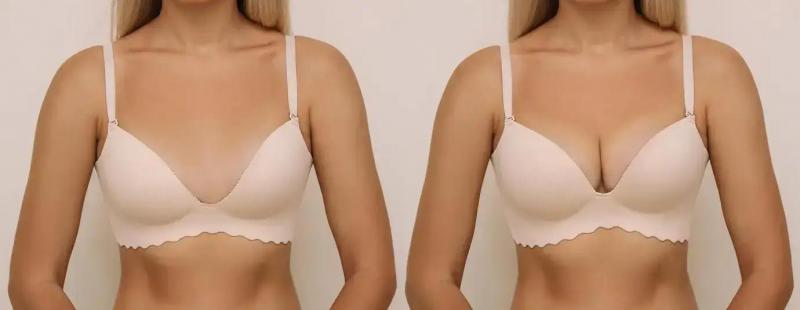
Many women seek effective methods to achieve fuller and more symmetrical breasts, which could be due to loss of volume after pregnancy and breastfeeding, weight changes, or simply to enhance their appearance.
Two popular options in cosmetic surgery are silicone breast augmentation and autologous fat transfer breast augmentation. Each has distinct advantages regarding final results, augmentation volume, procedure nature, and recovery time.
What is Silicone Breast Augmentation?

Silicone breast augmentation involves placing medical-grade silicone implants within the breast to increase size and improve shape.
Available in various sizes and shapes, the surgeon selects the appropriate type based on:
- Current breast size
- Chest width
- Body shape
- Desired outcome
- Skin and tissue thickness
This method is popular for those seeking a significant increase in breast size.
What is Autologous Fat Transfer Breast Augmentation?
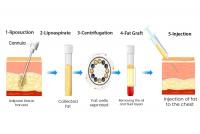
The procedure involves liposuction from areas like:
- Abdomen
- Waist
- Thighs
The extracted fat is processed and reinjected into the breast for natural volume enhancement.
This technique suits women seeking a modest to medium increase while also improving other body areas.
Benefits of Silicone Breast Augmentation
Silicone implants offer various benefits, including:
- Significant Increase in Size: Ideal for significant size enhancement.
- Predictable Results: Allows for precise determination of size and shape compared to fat transfer.
- Diverse Options: Available in shapes like round and anatomical, and sizes small to large.
Drawbacks of Silicone Breast Augmentation
Despite their popularity, there are challenges such as:
- Need for regular monitoring of implants
- Potential shape changes over time
- Possible future replacement
- Presence of a foreign object in the breast
Benefits of Autologous Fat Transfer Breast Augmentation
This technique features:
- Natural Appearance: Provides a natural, soft feel as the fat comes from the woman's body.
- Non-Use of Synthetic Materials: No foreign implant is inserted.
- Body Contouring: Combines liposuction, body shaping, and breast enhancement.
Drawbacks of Autologous Fat Transfer Breast Augmentation
Main challenges include:
- Limited ability for large augmentations
- Potential absorption of some injected fat
- Possible additional sessions for desired size
- Requirement of sufficient body fat availability
Which Gives a More Natural Look?
Generally, fat transfer offers a more natural feel and appearance, blending with body tissues.
However, advancements in modern silicone implant technology have also led to very natural outcomes, especially when the correct size is chosen, and implants are placed correctly.
Which Lasts Longer?
Silicone: Offers long-lasting results with implants lasting many years, although regular medical reviews are essential.
Autologous Fat Transfer: Remaining fat stability can persist, though some may be absorbed by the body in the months following the procedure.
Recovery Period After Surgery
After Silicone Breast Augmentation: Typically requires:
- A few days of rest
- Avoidance of heavy lifting for several weeks
- Gradual resumption of exercise as advised by the physician
After Fat Transfer: Recovery may include:
- Breast and liposuction area swelling
- Wearing a compression garment in liposuction areas
- Avoiding pressure on the breast for a doctor-prescribed period
Determining the Best Candidate for Each Technique
Silicone suits:
- Those seeking a substantial size increase
- Women with low body fat levels
- Those preferring a specific, controllable outcome
Autologous fat transfer suits:
- Individuals desiring a natural, slight enhancement
- Women with excess fat available for liposuction
- Those who wish to avoid synthetic implants
Conclusion
No single option fits all women when comparing silicone breast augmentation and autologous fat transfer. The choice depends on the procedure's goal, body shape, and desired outcome.
Silicone implants might be the best option for a sizable, noticeable increase. In contrast, autologous fat transfer could be suitable for a subtle, natural improvement while reshaping other body areas.
The final decision rests on the cosmetic surgeon's assessment of the breast condition, available body fat, and the woman's expectations.
Also Explore: