


Fruits are an ideal choice for those looking to lose weight in a healthy way. They combine natural sweetness with high nutritional value, providing fiber, water, and vitamins that enhance satiety and reduce cravings for processed sweets.
Even though fruits contain natural sugars, consuming them in moderation as part of a balanced diet doesn't hinder weight loss. In fact, they can improve diet quality and decrease the intake of high-calorie foods.
How Do Fruits Aid in Weight Loss?
Most fruits have a low calorie density compared to their volume. They are high in water and fiber, which help keep you full for longer periods.
Moreover, fruits supply vitamins, minerals, and antioxidants, making them a healthy alternative to sugary snacks and desserts.
Berries: Best Fruits for Dieting
Blueberries and Red Berries
A single cup of berries contains about 60 calories, along with a substantial amount of fiber and antioxidants. Studies indicate that regular berry consumption may improve insulin sensitivity and metabolic health, which are vital for maintaining a healthy weight within a balanced lifestyle.
Strawberries
Strawberries are low in calories and high in vitamin C and fiber. The fiber content helps increase satiety, while vitamin C supports the body’s natural functions during weight loss programs.
Fiber-Rich Fruits
Fiber plays a crucial role in controlling hunger and slowing digestion.
Apples
Apples are an excellent choice for diets, especially when eaten with their skins. They contain pectin fiber, which enhances the feeling of fullness. Additionally, they are portable and make a great snack between meals.
Pears
Pears have a good amount of fiber and water, making them suitable for those looking to cut calories without feeling hungry. Eating them with their skins maximizes fiber intake.
Grapefruit
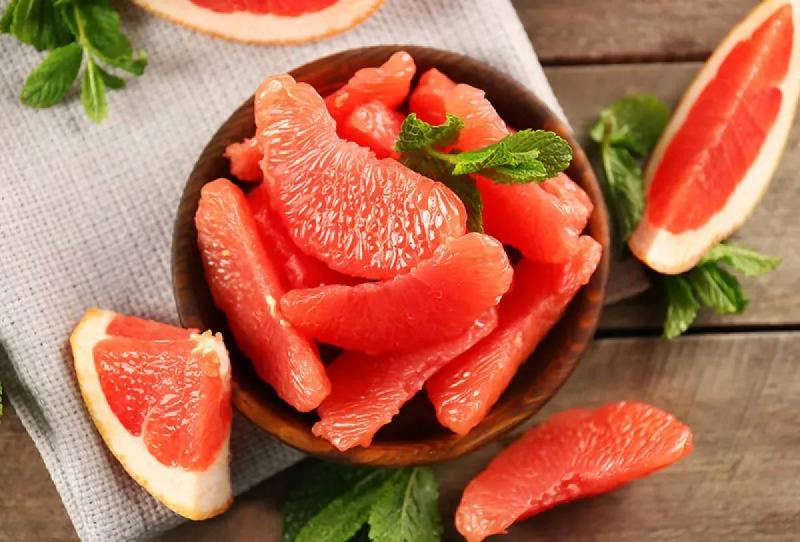
Grapefruit is popular in weight loss diets due to its low calorie content and high water content.
Some studies suggest that consuming it before meals may help reduce total calorie intake due to increased satiety, although its direct effect on fat burning or insulin reduction still requires more scientific proof.

Pineapple
Pineapple contains bromelain, an enzyme that aids in protein digestion. While there's no scientific evidence that bromelain directly burns fat, it might help improve digestion and reduce bloating in some individuals.
Watermelon
Watermelon is about 92% water, providing a feeling of fullness with a moderate calorie count, helping to hydrate the body, and is ideal as a summer snack or between meals.
Avocado
Though avocados are higher in calories than most fruits, they are rich in heart-healthy monounsaturated fats.
These fats, along with fiber, help increase satiety for longer periods, potentially reducing overeating when consumed in moderation.
Best Ways to Eat Fruits While Dieting
The benefits depend not just on the type of fruit but also on how you consume it.
Here are some recommendations:
-Eat whole fruit rather than juices.
-Consume fruits with their skins if edible after washing them thoroughly.
-Choose fresh fruits over dried or sweetened ones.
-Have them as snacks between main meals.
-Diversify fruit intake to access a wide variety of nutrients.
-Watch portion sizes and avoid excess amounts.
Do Fruits Burn Fat?
While it's a common belief, no fruit directly burns fat. However, fruits can indirectly support weight loss by enhancing satiety, reducing calorie intake, and improving diet quality. The best results come from including them in a balanced diet mixed with regular physical activity.
Ultimately, fruits present a healthy and delicious option to aid in weight loss without deprivation. Berries, strawberries, apples, pears, grapefruit, watermelon, pineapple, and avocados all offer essential nutrients that help satiety and enhance daily diet quality.
With moderation in quantities and a balanced diet, fruits can be a fundamental part of any successful weight loss plan.
See Also
Fiber-Rich Foods