



Niacinamide can significantly improve the appearance of acne marks and gradually reduce their appearance, particularly dark spots and redness left after acne heals. However, it's important to note that niacinamide won't fully erase deep scars or those with pronounced indentations. It is, nonetheless, one of the best ingredients for evening skin tone, reducing inflammation, and speeding up the skin's natural recovery process.
Moreover, niacinamide is suitable for most skin types, including sensitive, oily, and acne-prone skin.
What is Niacinamide?
Niacinamide is a form of vitamin B3 and is an active ingredient found in various skincare products. It improves skin health from multiple aspects, as it helps reinforce the skin barrier, reduce inflammation, regulate oil production, and enhance skin tone and texture.
Additionally, niacinamide is highly regarded by dermatologists because it combines high effectiveness with a low risk of irritation compared to some other ingredients.
How Does Niacinamide Help in Treating Acne Marks?

Reducing Post-Acne Dark Spots
Dark or brown spots are among the most common issues following acne resolution, medically known as post-inflammatory hyperpigmentation (PIH). Niacinamide works to reduce the transfer of melanin pigment to the skin’s surface layers, gradually lightening dark spots and enhancing skin tone. Thus, it is a popular choice for those dealing with pigmentation-related acne marks.
Alleviating Redness and Inflammation Marks
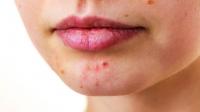
Acne marks are not limited to pigmentation. Some breakouts may leave red or pink marks that persist for weeks or months after healing.
On the other hand, niacinamide has strong anti-inflammatory properties that help calm the skin, reduce redness, and improve the appearance of these marks over time, making it a common component in products for sensitive and inflammation-prone skin.
Supporting Skin Renewal and Repair
Niacinamide helps boost the skin’s natural production of ceramides, essential fats that maintain the skin barrier and prevent moisture loss.
A stronger skin barrier enhances the skin's ability to repair itself and recover from inflammation more quickly and efficiently. This also contributes to improved skin texture and the fading of surface marks over time.
Regulating Oil Production and Preventing New Blemishes
One of niacinamide’s major benefits is not just treating existing marks but also reducing the chances of new breakouts. It helps regulate excess oil production, reducing pore blockage and the formation of blackheads and blemishes. Regular use may help break the cycle between breakouts and residual marks.
What Types of Acne Marks Can Niacinamide Improve?
Brown Pigmentation (PIH)
These discolorations result from increased melanin production after acne inflammation. Niacinamide is highly effective in dealing with this type of mark, especially when used regularly with sun protection.
Red or Pink Marks (PIE)
These marks arise from the dilation of small blood vessels under the skin after inflammation. Conversely, niacinamide helps soothe inflammation and gradually reduce redness, making it suitable for this type of mark.
Deep Scars
For deep or indented scars caused by severe acne, niacinamide alone is insufficient for removal. Here, specialized dermatological procedures like laser treatment, microneedling, or chemical peels might be necessary under a dermatologist’s supervision.
How to Properly Use Niacinamide
Choosing the Right Concentration
Most skincare experts recommend products with a concentration of 2% to 5%. For those with sensitive skin, starting with a lower concentration might be better to minimize irritation.
When to Use?
Niacinamide can be applied twice daily:
-In the morning after cleansing.
-In the evening as part of a nighttime skincare routine.
Apply it before moisturizers and after light, water-based serums if any are used.
Using Sunscreen
Sunscreen is an essential part of treating acne marks, as even the best products won't yield desired results if the skin is exposed daily to sunlight without adequate protection. Using broad-spectrum sunscreen with appropriate SPF every day is advised.
When Will Niacinamide Show Results?
One of the most common questions users ask is: When will I notice a difference?
Initial improvements in skin tone and reduced redness typically appear after about 4 to 6 weeks of regular use. However, older or more noticeable discolorations may require 8 to 12 weeks or more to show noticeable results.
Additionally, response speed varies from person to person depending on skin type, mark depth, and adherence to a care routine.
Can Niacinamide Be Combined with Other Ingredients?
Yes, niacinamide can be used with many other active ingredients like:
-Hyaluronic Acid.
-Ceramides.
-Retinol.
-Salicylic Acid.
-Vitamin C in most modern formulations.
Moreover, combining it with these ingredients can enhance skincare results when appropriate products are used for each skin type.
In conclusion, niacinamide is one of the most effective ingredients for improving pigmentation and redness caused by acne, unifying skin tone, and strengthening its natural barrier. While it doesn’t remove deep scars on its own, it clearly aids in reducing the visibility of acne marks with regular use.
With adherence to sunscreen and an appropriate care routine, niacinamide can achieve noticeable results in just a few weeks, giving the skin a clearer and more radiant appearance.
Related Links:
Best Creams for Acne Scar Removal