


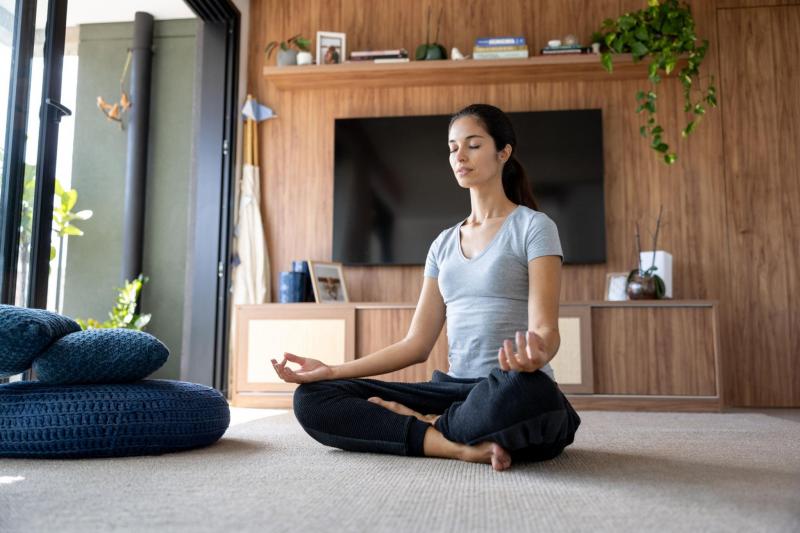
Stress has become an integral part of daily life for many, driven by work pressures, family obligations, financial issues, and an overwhelming array of tasks demanding continuous attention.
Feeling stressed from time to time is normal, but prolonged stress can impact sleep, mood, focus, and energy. It's crucial to learn healthy coping mechanisms before stress becomes an everyday burden.
Fortunately, alleviating stress doesn't always require major lifestyle changes; simple habits, when practiced regularly, can help calm the body and mind, restoring a sense of control and relaxation.
What is Stress?
Stress is a natural response of the body and mind to pressures or scenarios perceived as challenging, threatening, or requiring significant effort.
It can manifest as irritability or agitation, difficulty concentrating, along with physical symptoms like rapid heartbeats, muscle tension, headaches, and sleep disturbances.
Stress manifests differently from person to person, as does each individual's ability to cope with daily challenges.
Key Symptoms of Stress
Stress symptoms can appear psychologically, physically, and behaviorally.
Common symptoms include:
- Nervousness and irritability.
- Difficulty concentrating.
- Overthinking.
- Feeling fatigued.
- Sleep disturbances.
- Headaches or muscle tension.
- Appetite changes.
- Unease or instability.
- Difficulty relaxing.
- Quickness to anger.
These symptoms are not necessarily indicative of a medical condition but may signal the need for rest and reduced pressure.
Simple Strategies to Try When Stressed:
- Practice Deep Breathing - Sit comfortably, inhale slowly through the nose, then exhale smoothly. Repeat a few times, focusing on your breath instead of disturbing thoughts.
- Engage in Physical Activity - Move your body with simple exercises like walking, stretching, or cycling - whatever you enjoy, to break the sedentary routine and redirect your mind from stress.
- Organize Your Day - Prioritize and tackle tasks one at a time. Don't overwhelm yourself with a list so long it seems unachievable, as this can heighten stress.
- Ensure Adequate Sleep - Keep a regular sleeping schedule and minimize phone use before bed, as electronic devices can hinder relaxation.
- Take a Break from Your Phone - Allocate short periods away from digital distractions to reset mentally.
- Share with Someone Trustworthy - Expressing feelings can help manage them more effectively.
- Avoid Perfectionism - Accept that not everything will be flawless and that mistakes are part of life.
- Make Time for Enjoyment - Schedule personal time for activities you love, like reading, watching movies, or listening to music.
- Try Relaxation Exercises - Experiment with stretching, meditation, yoga, or progressive relaxation to reduce tension.
- Reduce Caffeine If Stressful - Too much caffeine may heighten anxiety or disrupt sleep, so assess its impact on your stress levels and adjust accordingly.
- Maintain a Balanced Diet - Regular, nutritious meals with diverse food groups support overall health.
- Learn to Say "No" - Setting boundaries is crucial in managing your time and energy effectively.
How to Quickly Relieve Stress
If you experience sudden stress, take a short break if possible, breathe deeply, and consume water. Identifying the real stressor can improve your response.
When to Seek Professional Help for Stress
If stress symptoms persist or impact daily functioning significantly, consider professional support. Prolonged stress or worrying symptoms warrant medical advice.
Conclusion
Managing stress is about learning better coping methods rather than eliminating it. Simple steps such as breathing exercises, movement, time management, good sleep, and open communication can significantly help.