


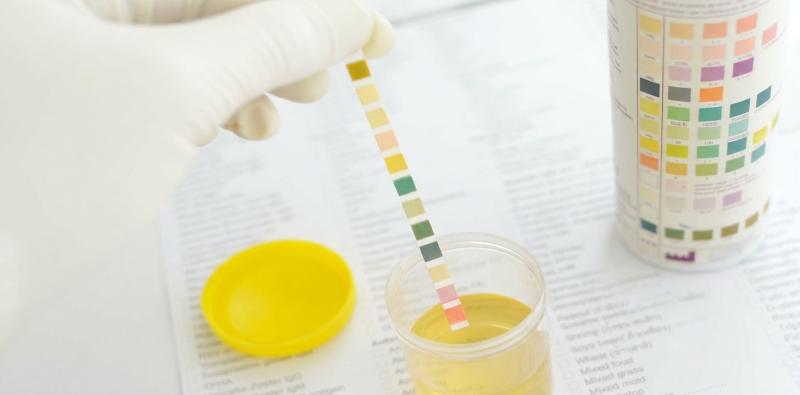
Determining the best tests to diagnose a urinary tract infection (UTI) is a common concern for people experiencing symptoms such as burning during urination, frequent urination, or lower abdominal pain. Doctors emphasize that diagnosing UTIs does not rely on a single test but often requires a series of examinations to accurately identify the cause and choose the most effective treatment.
The complete urinalysis is generally the first step in detecting signs of infection. In contrast, a urine culture with sensitivity testing is the most precise method for determining the type of bacteria and selecting the appropriate antibiotic. Hence, combining both tests provides the physician with a clearer understanding of the condition and helps avoid inappropriate treatment.
What is a Urinary Tract Infection?
A urinary tract infection is an infection that affects one part of the urinary system, such as the bladder, urethra, or kidneys. It often occurs when bacteria enter and multiply in the urinary tract.
Women are more susceptible to these infections, although men and children can also be affected, especially when there are factors that increase the risk of infection.
What Are the Best Tests for Diagnosing UTIs?
Doctors usually rely on two primary tests for accurately diagnosing urinary tract infections:

First: Complete Urinalysis
A complete urinalysis is the initial test ordered when a UTI is suspected. Its results are quickly available, offering insights into several indicators that assist in diagnosing an infection, including:
- Increased white blood cell count.
- Presence of nitrites produced by some types of bacteria.
- Occurrence of red blood cells in some cases.
- Presence of bacteria in the sample.
- Urine pH levels.
- Assessment of proteins or other indicators that may aid diagnosis.
While this test is important, it does not identify the type of bacteria causing the infection. Therefore, additional testing may be necessary.
Second: Urine Culture and Sensitivity Test
The urine culture is the most accurate test to confirm an infection and identify the responsible microbe. Additionally, it includes an antibiotic sensitivity test showing the most effective antibiotics against the bacteria causing the infection, helping choose suitable treatment and reducing antibiotic resistance risks.
The results of a urine culture typically take 24 to 48 hours, though some cases might require a longer period depending on the microorganism involved.
Differences Between Urinalysis and Urine Culture
While both tests are used to diagnose UTIs, they serve different purposes. A urinalysis quickly detects signs of infection, whereas a urine culture confirms the presence of an infection, identifies the bacteria, and assesses antibiotic sensitivity. Thus, combining them provides the most accurate diagnosis.
When Should a Urine Culture Be Requested?
A doctor may order a urine culture in the following scenarios:
- Recurring UTIs.
- Persistent symptoms after treatment.
- Infections during pregnancy.
- Fever or flank pain.
- Suspected complex infections.
- Infections in men or children.
- Presence of chronic conditions like diabetes or immunodeficiency.

How to Collect a Urine Sample Correctly
Accurate test results greatly depend on how the sample is collected. Follow these steps to ensure proper collection:
- Wash hands thoroughly before collecting the sample.
- Clean the genital area with water only and dry it.
- Use a sterile container designed for the test.
- Discard the first amount of urine and collect a midstream sample.
- Seal the container tightly.
- Deliver the sample to the lab as soon as possible.
These steps help reduce the risk of sample contamination and ensure more accurate results.
Should Tests Be Done Before Taking Antibiotics?
Doctors recommend conducting urinalysis and urine culture before starting antibiotics whenever possible because antibiotics may reduce bacteria numbers, affecting culture results, and potentially leading to inaccurate findings.
If the patient has already begun treatment, the doctor may advise repeating the culture after discontinuing the antibiotic, based on the medical condition.
Symptoms Indicating the Need for UTI Testing
It is advisable to see a doctor and undergo tests if symptoms appear, such as:
- Burning during urination.
- Frequent need to urinate.
- Lower abdominal pain.
- Change in urine color.
- Strong, unusual urine odor.
- Blood in urine.
- High fever.
- Flank or lower back pain.
These symptoms may indicate an infection requiring early diagnosis and treatment to prevent complications.
Are Home Urine Test Strips Enough?
While home test strips can detect certain UTI indicators, they do not replace lab tests, especially if symptoms persist or recur. Complete urinalysis and urine culture remain the most accurate options for confirming a diagnosis and determining appropriate treatment.
In conclusion, the best approach to diagnosing a urinary tract infection involves combining complete urinalysis with a urine culture and sensitivity test. The former detects infection markers promptly, while the latter identifies bacteria and the most suitable antibiotic for treatment.
Following the correct sample collection method and testing before taking antibiotics aids in achieving precise results and an effective treatment plan.
Related Articles:
Best Gynecologist for Treating Vaginal Infections in Lebanon