


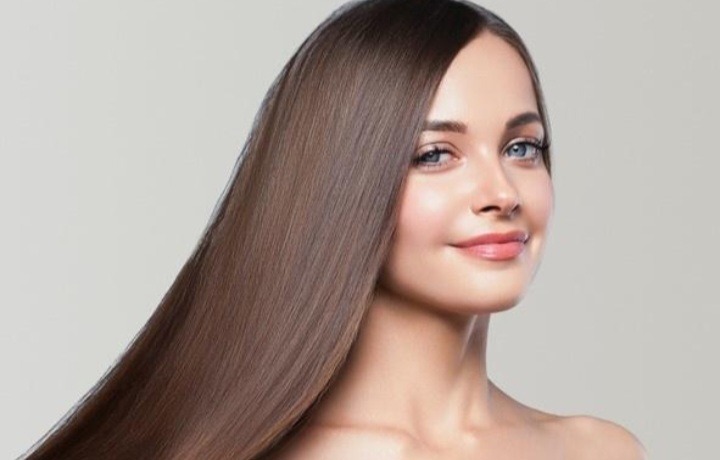
Achieving silky and shiny hair isn't solely dependent on the type of hair or products used; it's largely about daily care. Excessive dryness, frequent heat styling, hair dyeing, over-washing, and sun exposure can lead to dull and rough hair over time.
For soft and shiny locks, focus on hydration and minimizing damage causes. Choosing products suitable for your hair and scalp type is crucial. Simple and consistent steps can significantly improve your hair's appearance, making it more flexible and vibrant.
Simple Steps to Make Your Hair Soft and Shiny:
1. Choose the Right Shampoo for Your Hair Type
Begin your hair care routine by picking a shampoo that matches your hair and scalp type. For an oily scalp, opt for a formula that cleanses excess oils without drying out the ends, while dry hair requires gentler, more moisturizing products.
Using harsh products or over-washing doesn't equate to healthier hair—it might lead to dryness and dullness.
2. Don't Skip the Conditioner
Conditioner is vital for smoother, shinier hair, helping to reduce tangles and enhance texture. Apply it to the hair lengths and ends after shampooing—leave it for a few minutes per the product instructions, then rinse thoroughly.
If your scalp is oily, avoid applying large amounts directly to the roots.
3. Use a Moisturizing Mask Regularly
If your hair is dry or damaged, incorporate a moisturizing mask into your routine once or twice weekly. Regular hydration improves hair texture and reduces frizz, especially in dry ends.
Choose a mask based on your hair's needs, and avoid heavy products if your hair is fine or prone to quick oiliness.
4. Minimize Heat Styling
Frequent use of heated styling tools like straighteners, blow dryers, and curling irons can significantly affect hair appearance. To maintain softness and shine:
Use a heat protectant before styling, select a moderate temperature, avoid repeated ironing over the same strands, let hair air dry whenever possible, and avoid high heat on wet hair.
5. Dry Your Hair Gently
Vigorously rubbing hair with a towel post-shower can increase tangles and breakage, especially when wet. Instead, press gently to remove water and let it dry gradually or use a soft towel.
Gentle detangling with a wide-toothed comb also minimizes pull and breakage.
6. Use a Suitable Serum for Added Shine
Hair serums and lightweight styling products can provide a smoother, shinier look and reduce frizz. Apply a small amount to ends and areas needing smoothing, avoiding excess to prevent greasy or heavy appearances.
7. Care for Hair Ends
The ends of your hair are most susceptible to dryness and damage, so caring for them is crucial for a healthy look. Use a moisturizing product or light serum on the ends and trim them regularly when they become split.
While products can enhance the appearance of damaged ends, they can't permanently fix split ends; cutting is necessary to remove them.
8. Protect Your Hair from the Sun
Continuous sun exposure can make hair drier and duller, with effects more noticeable on dyed or chemically treated hair. When spending extended time outside, wear a hat or use products designed to protect against environmental factors.
9. Avoid Over-Washing Your Hair
The suitable washing frequency varies based on scalp nature and lifestyle. However, over-washing dry hair may increase dryness, so regulate wash frequency as needed and use lukewarm rather than hot water.
10. Focus on Nutrition and Hydration
Hair's healthy appearance is also linked to overall health and balanced nutrition. Ensure a varied intake of protein, iron, zinc, vitamins, and minerals from a balanced diet, alongside sufficient fluid intake.
Avoid random hair supplements unless a deficiency is proven, as some supplements may not be necessary without an actual deficiency.
11. Avoid Excessive Dyes and Chemical Treatments
Frequent dyeing, bleaching, and some chemical straightening treatments can increase hair dryness and make it more prone to split ends.
If your hair is weak or damaged, give it a break from chemical treatments and focus on hydration and reducing heat exposure. Consult with a professional when necessary to minimize damage when changing colors or undergoing chemical processes.
12. Opt for a Friction-Reducing Pillowcase
Frequent friction during sleep can increase tangling and frizz for some hair types. Soft pillowcases can reduce friction, and loosely gathering hair before sleep is preferable to tight styles.
13. Limit Excessive Oil Use
While oils can make hair appear shinier and smoother, they're not a magic solution for damage. If your hair is dry, use a small amount of suitable oil on the ends, avoiding the scalp if it's oily or dandruff-prone.
A Simple Routine for Soft, Shiny Hair
Follow a simple weekly routine:
When washing: Use shampoo suited for your scalp, followed by conditioner on the lengths and ends.
Once or twice a week: Add a moisturizing mask depending on hair needs.
After washing: Use a leave-in product or light serum on the ends.
Before using heat: Don't use dryers or irons without heat protectants.
Daily: Minimize tight hairstyles, and brush gently as needed.
What Makes Hair Look Shiny?
Shine is more apparent when the hair's surface is smoother, and light reflects better on it. Reducing dryness and damage aids in achieving a shinier look.
However, shine alone doesn't equate to health; some styling products offer temporary shine, while genuinely damaged hair requires addressing damage causes and appropriate care.
When to Consult a Specialist?
Consult a dermatologist if you notice severe or consistent hair loss, noticeable thinning, or intense scalp itchiness and flaking, instead of relying solely on over-the-counter cosmetics.
Conclusion
Achieving soft and shiny hair begins with a simple and routine plan focusing on hydration, selecting the right products, minimizing heat and chemical treatments, and protecting the hair from sunlight while handling it gently during washing and drying.
Consistently following these habits improves hair appearance, reduces dryness and frizz, making it look smoother, more vibrant, and shinier.
Also, read:
Best Natural Oils for Hair Thickening