


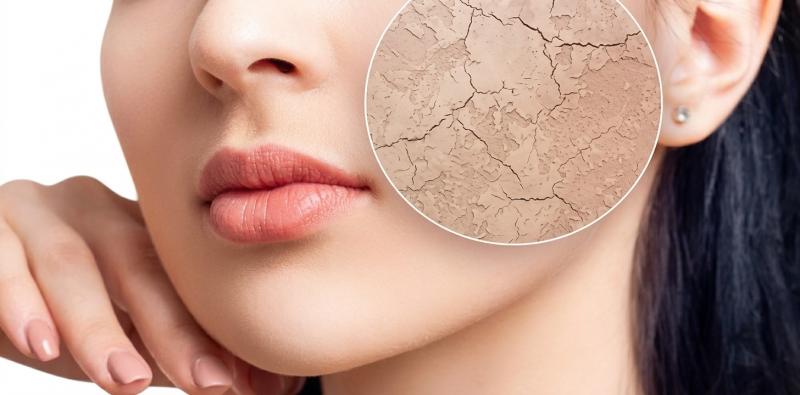
Skin dryness is a significant concern for those seeking healthy and smooth skin. It impacts the overall appearance and can cause tightness, flakiness, and sometimes itching or irritation. This condition arises when the skin loses some of its natural oils or moisture content, weakening its protective barrier.
Although dry skin can be a temporary issue linked to weather or daily habits, it may become more severe if not addressed appropriately. Knowing the causes of dryness and adopting a suitable skincare routine can help restore moisture, strengthen the skin barrier, and prevent recurrence.
What is Skin Dryness?
Skin dryness, or Xerosis, is a condition where the skin loses some of its natural moisture, leading to a rough texture, fine scales, and a tight feeling after washing or bathing.
Additionally, dryness may be accompanied by redness, itching, or cracks in advanced cases, especially during winter or with constant exposure to dry air.
Causes of Skin Dryness
Several factors can lead to dry skin, and their effects vary among individuals.

1. Weather and Environmental Factors
Low temperatures and dry air are common causes, as humidity levels drop during winter, increasing water loss from the skin. Extended exposure to air-conditioned or heated environments also reduces air moisture, adversely affecting the skin.
2. Hot Showers
While hot water provides comfort, it strips away natural oils that protect the skin, especially with prolonged showers. It's advisable to use lukewarm water and shorten shower durations to maintain the skin's natural barrier.
3. Use of Harsh Cleansing Products
Some soaps or facial washes contain sulfates, alcohol, or strong fragrances that can dry out the skin with frequent use. Opt for gentle cleansers with moisturizing ingredients such as glycerin or ceramides.
4. Aging
With age, the production of natural oils, collagen, and hyaluronic acid decreases, making skin less capable of retaining moisture and more prone to dryness and roughness.
5. Excessive Exfoliation
Exfoliation helps remove dead skin cells, but overdoing it can weaken the skin barrier and increase water loss. Use exfoliants in moderation and according to skin needs.
6. Insufficient Water Intake and Certain Health Conditions
Lack of fluids may contribute to increased skin dryness. Conditions such as eczema and psoriasis are linked to dry skin, alongside health issues like thyroid dysfunction.
How to Manage Skin Dryness
Following a proper routine is the best way to restore skin hydration and reduce dryness symptoms.
Use a Moisturizing Cleanser
Start with a gentle, alcohol and fragrance-free cleanser containing ingredients that clean the skin without stripping its natural oils. Look for cleansers with ceramides or glycerin to maintain the skin barrier.
Moisturize Immediately After Washing
This step is known as the three-minute rule. Apply moisturizer immediately after washing when the skin is still slightly damp, which helps lock in water and enhance moisturizer effectiveness.
Choose the Right Moisturizer
Not all moisturizers suit dry skin. It's preferable to select rich creams over light lotions.
Look for Products Containing:
-Hyaluronic acid.
-Glycerin.
-Ceramides.
-Shea butter.
-Petroleum jelly for night use if needed.
Incorporate a Hydrating Serum into Your Routine
A hyaluronic acid serum helps draw water into the skin, providing a fuller, smoother appearance. Use it before your regular moisturizer in the morning and evening for best results.
Don't Skip Sunscreen
Some believe sunscreen is only for summer, but UV rays can affect the skin barrier year-round. Use a broad-spectrum sunscreen with at least SPF 30 and a moisturizing formula.
Improve Your Surroundings
If you spend long hours in air-conditioned spaces, a humidifier can help reduce skin dryness. Additionally, drink adequate water and maintain a diet rich in healthy fatty acids like Omega-3 to support skin health from within.
Mistakes That Worsen Skin Dryness
Certain habits may exacerbate the issue, such as:
-Washing the face with hot water.
-Over-washing the skin.
-Using harsh soaps.
-Frequent exfoliation.
-Neglecting moisturizers.
-Not using sunscreen.
-Using products with high alcohol content.

Tips to Prevent Skin Dryness
You can reduce the likelihood of dry skin by adopting some daily habits:
-Use lukewarm water for face washing and bathing.
-Choose gentle care products free of strong fragrances.
-Moisturize at least twice a day.
-Apply sunscreen daily.
-Avoid prolonged dry air exposure.
-Drink sufficient water.
-Eat foods rich in Omega-3 and vitamins.
-Use a humidifier when needed.
When to See a Doctor?
In most cases, dry skin improves with daily care. However, it's advisable to consult a dermatologist if:
-Dryness persists despite using moisturizers.
-Deep cracks or bleeding occur.
-Severe itching or pain accompanies dryness.
-Signs of inflammation or skin infection appear.
-Rash spreads over large body areas.
In conclusion,skin dryness is a common issue easily manageable once its causes are understood and a suitable care routine is followed. Treatment begins with selecting a gentle cleanser, moisturizing regularly, using sunscreen, and avoiding habits that weaken the skin barrier.
Furthermore, attention to nutrition, water intake, and improving the environment contributes to maintaining healthy and soft skin year-round. If dryness symptoms persist or worsen, seeking a dermatologist's advice remains the best option for proper diagnosis and treatment.
See Also
Best Natural Face Masks by Skin Type