


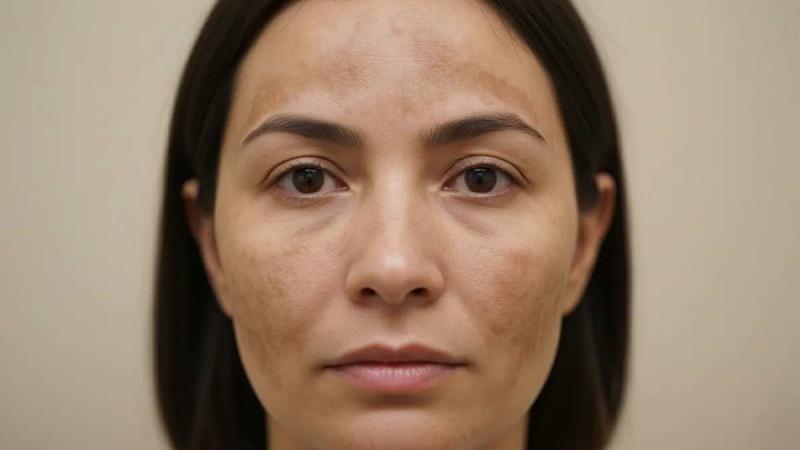
Skin pigmentation is one of the most common skin issues. It may manifest as dark spots or uneven skin tone on the face, hands, and other body areas. Though usually not severe, pigmentation can affect skin appearance, prompting individuals to seek methods to even out skin tone and restore its radiance.
The causes of pigmentation vary from person to person; it could be due to frequent sun exposure, hormonal changes, acne scars, and inflammations, as well as certain daily habits that increase melanin production. Understanding the primary cause helps in selecting the right prevention and skincare strategies.
What is Skin Pigmentation?
Skin pigmentation refers to a change in color of a specific skin area due to increased production of melanin, the natural pigment responsible for the color of skin, hair, and eyes.
These pigmentation marks can appear as brown, gray, or dark spots, either small and defined or widespread across skin areas. The degree of pigmentation varies based on skin color, its cause, and duration of exposure to the triggering factor.
Causes of Skin Pigmentation:
1. Sun Exposure
UV rays are a leading cause of pigmentation as they stimulate melanin-producing cells, resulting in dark spots or intensified existing pigments.
Sunspots usually appear on areas frequently exposed to the sun, such as the face, hands, neck, and upper chest.
2. Hormonal Changes
Hormonal changes can lead to a type of pigmentation known as melasma, which is more common in women.
Melasma may develop during pregnancy or with the use of certain hormonal contraceptives, and it can be influenced by sun exposure.
It usually appears on the face, particularly the forehead, cheeks, and over the upper lip.
3. Acne Scars
Acne and skin inflammations can leave dark spots even after the inflammation subsides.
This is known as post-inflammatory hyperpigmentation, which may take time to fade, especially if sun protection is neglected.
4. Skin Irritation or Inflammation
Some skin problems or repeated irritation can increase melanin production.
Using harsh skincare products or over-exfoliating can cause irritation, potentially increasing pigmentation rather than improving it.
5. Picking at Blemishes and Wounds
Popping pimples or scratching the skin can lead to additional inflammation, increasing the likelihood of dark spots appearing after the area heals.
It's best to avoid touching pimples and refrain from manually removing them.
6. Certain Medications
Some medications can cause skin color changes in some individuals, either directly or by increasing the skin's sun sensitivity.
If new pigmentation appears after starting a medication, it's advisable to discuss it with a doctor before discontinuing the medication on your own.
7. Genetic Factors
Some people are more prone to pigmentation due to their skin type and genetic factors. Pigmentation may be more noticeable in those with medium to dark skin tones.
How to Prevent Skin Pigmentation?
Daily Sun Protection
Sun protection is crucial for preventing pigmentation.
Using a broad-spectrum sunscreen with an SPF of 30 or higher is recommended, along with reapplying as needed, particularly when spending extended time outdoors or when exposed to water and sweat.
Sun protection should not be limited to the summer months, as UV rays can affect the skin year-round.
Avoid Direct Sun Exposure
The risk of pigmentation can be reduced by seeking shade, and wearing hats, sunglasses, and clothing that covers the skin during intense sun exposure.
This step is especially important for individuals already dealing with melasma or dark spots.
Choose Gentle Skincare Products
It's best to use products suited to one’s skin type and avoid formulations that cause burning, redness, or excessive dryness.
Frequent irritation can increase the likelihood of pigmentation in some individuals.
Avoid Squeezing Pimples
Avoiding pressure or manipulation of pimples reduces inflammation and the chances of dark spots thereafter.
For frequent or severe acne, consulting a dermatologist for appropriate treatment is advisable.
Avoid Over-Exfoliation
Exfoliation can improve skin texture, but excess or use of harsh substances may irritate the skin.
It's important to choose the right type of exfoliation for one's skin and use it in moderation.
Ingredients That Help Even Skin Tone
Certain ingredients in skincare products can help reduce pigmentation appearance and even out skin tone, such as:
-Vitamin C.
-Niacinamide.
-Azelaic Acid.
-Alpha Hydroxy Acids, like glycolic acid.
-Retinoids, which may aid skin cell renewal.
Choosing the right ingredient depends on the type of pigmentation and skin sensitivity, and some may increase the skin’s sun sensitivity, making daily sun protection essential.
When to See a Dermatologist for Pigmentation?
If new spots appear suddenly, change in size, color, or shape, or bleed or persistently itch, they should be checked by a dermatologist.
Consulting a doctor is also recommended when dealing with widespread or persistent pigmentation despite appropriate care, as accurate diagnosis aids in selecting the best treatment.
Can Pigmentation Be Permanently Removed?
The possibility of eliminating pigmentation depends on its cause, type, and depth in the skin. Some spots may gradually fade with sun protection and appropriate care, while others require medical treatments such as chemical peels, lasers, or topical medications under a dermatologist’s supervision.
Treating the cause and preventing new pigmentation is key, rather than solely focusing on lightening existing spots.
Daily Tips for a More Even and Radiant Skin
To maintain an even skin tone, follow a simple routine that includes gentle cleansing, regular moisturizing, daily sunscreen use, and avoiding manipulation of pimples or wounds.
Introducing new products to the skincare routine gradually, especially for sensitive skin, and discontinuing use if persistent irritation occurs is advised.
Conclusion
Skin pigmentation can stem from multiple causes, notably sun exposure, hormonal changes, and post-inflammatory effects. Daily sun protection is a crucial step in preventing the occurrence and worsening of pigmentation.
If spots persist, change in appearance, or appear unusually, consulting a dermatologist is recommended to determine the cause and devise an appropriate treatment plan.
See Also: