


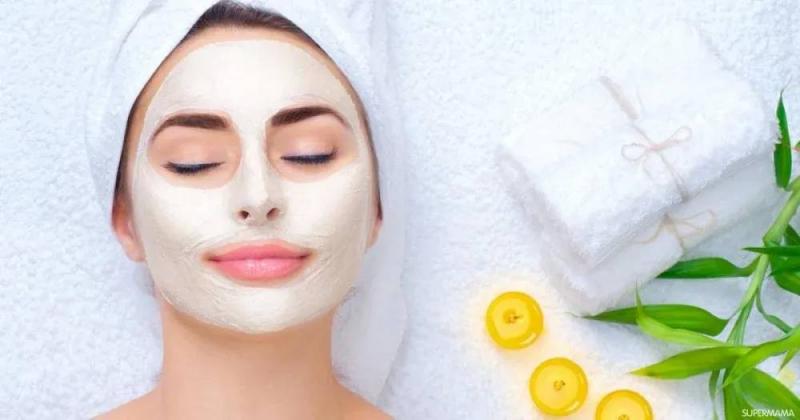
Many people seek natural face masks as they provide an easy way to care for the skin using readily available home ingredients. However, the success of any natural mask doesn't rely solely on ingredients but also on choosing the right recipe for the skin's needs, whether oily, dry, combination, or sensitive.
Moreover, when used correctly, natural masks can hydrate, cleanse, soothe the skin, and enhance its overall appearance. It's crucial to recognize that skin varies from person to person, making it essential to choose ingredients carefully and conduct a sensitivity test before use.
Why Does the Right Mask Vary for Different Skin Types?
Each skin type has distinct needs. Oily skin requires components that minimize excess oils, dry skin seeks deep hydration, and sensitive skin demands gentle ingredients that reduce redness and irritation.
Choosing the right mask helps achieve optimal results without clogging pores, increasing dryness, or irritating the skin.
Top Natural Face Masks Based on Skin Type
Firstly: Masks for Oily and Combination Skin
Oily and combination skin often experience excess oil production, making them prone to acne and blackheads. These skin types need ingredients that cleanse pores and absorb oils without compromising the skin barrier.
White or Green Clay and Yogurt Mask
Ingredients: One tablespoon of white or green clay and one tablespoon of yogurt.
Benefits
Clay helps absorb excess oils and purify pores, while yogurt gently cleanses the skin due to its lactic acid content, leaving the face looking clearer and more refreshed.
How to Use
Mix the ingredients well until combined, apply to the face, and leave for 15 to 20 minutes before rinsing with lukewarm water.
Oatmeal and Honey Mask
Ingredients: One tablespoon ground oatmeal, one tablespoon natural honey, and a few drops of rose water.
Benefits
Oatmeal absorbs excess oils and soothes the skin, while honey's natural antibacterial properties help reduce acne appearance and offer balanced hydration.
Secondly: Masks for Dry Skin
Dry skin requires ingredients rich in healthy oils and moisturizers to keep it soft and minimize flakiness.
Avocado and Honey Mask
Ingredients: Quarter of a mashed avocado and one tablespoon of natural honey.
Benefits
Avocado contains healthy fats and vitamin E that deeply nourish the skin, while honey retains moisture and improves skin elasticity.
How to Use
Mix the ingredients thoroughly, apply the mixture to the face for 20 minutes, then rinse with lukewarm water.
Banana and Sweet Almond Oil Mask
Ingredients: Half a mashed banana and one teaspoon of sweet almond oil.
Benefits
Bananas provide natural hydration thanks to their potassium and vitamin content, while sweet almond oil helps reduce dryness, leaving the skin softer.
Thirdly: Masks for Sensitive Skin
Sensitive skin needs soothing ingredients that reduce redness and maintain the skin barrier without causing irritation.
Cucumber and Yogurt Mask
Ingredients: Two tablespoons of cucumber juice and one tablespoon of chilled yogurt.
Benefits
Cucumber cools and reduces redness, while yogurt soothes and provides gentle hydration.
Aloe Vera Gel Mask
Ingredients: Two tablespoons of pure aloe vera gel.
Benefits
Aloe vera gel calms the skin, reducing itchiness and redness, and supports repairing the skin barrier while providing light moisturization.
Fourthly: A Mask Suitable for All Skin Types
If you're looking to restore skin radiance and reduce dullness, this mask is suitable for most skin types.
Turmeric, Milk, and Honey Mask
Ingredients: A quarter teaspoon of cosmetic turmeric, one tablespoon of milk, and one teaspoon of honey.
Benefits
Turmeric improves skin tone with its antioxidant properties, while milk provides gentle exfoliation, and honey moisturizes and soothes the skin.
How to Use Natural Masks Properly
To achieve the best results, follow these steps:
- Wash your face thoroughly with a suitable cleanser before applying the mask.
- Test the mask on a small skin area before full use.
- Apply the mask on clean, dry skin.
- Leave it on for 15 to 20 minutes.
- Rinse the face with lukewarm water without scrubbing.
- Use an appropriate moisturizer right after removing the mask.
How Often Should Natural Masks Be Used?
This depends on the skin type, but generally, using natural masks once or twice a week is enough. Overuse might lead to skin irritation or added dryness, especially if using exfoliating ingredients.
Common Mistakes When Using Natural Masks
Despite their benefits, some practices might reduce their effectiveness, such as:
- Using ingredients not suitable for your skin type.
- Leaving the mask on longer than recommended.
- Not conducting a sensitivity test.
- Applying the mask on dirty skin.
- Using the masks daily.
- Rubbing the skin hard while removing the mask.
- Neglecting to moisturize the skin afterward.
Tips for Best Results
Following these tips helps maximize the benefits of natural masks:
- Choose the mask suitable for your skin type.
- Use fresh, high-quality ingredients.
- Prepare the mask right before use.
- Maintain a daily cleansing and moisturizing routine.
- Use sunscreen in the morning to protect the skin.
- Drink enough water.
- Follow a balanced diet to support skin health.
In conclusion, natural masks are an effective way to enhance skin health and appearance when selecting the appropriate recipe for each skin type. Oily skin benefits from pore-cleansing ingredients, dry skin from moisturizing recipes, and sensitive skin from soothing, gentle ingredients.
By adhering to moderate usage, conducting sensitivity tests, and maintaining a daily skincare routine, noticeable results can be achieved, maintaining healthy and radiant skin throughout the year.
See Also
Morning Skincare Routine