


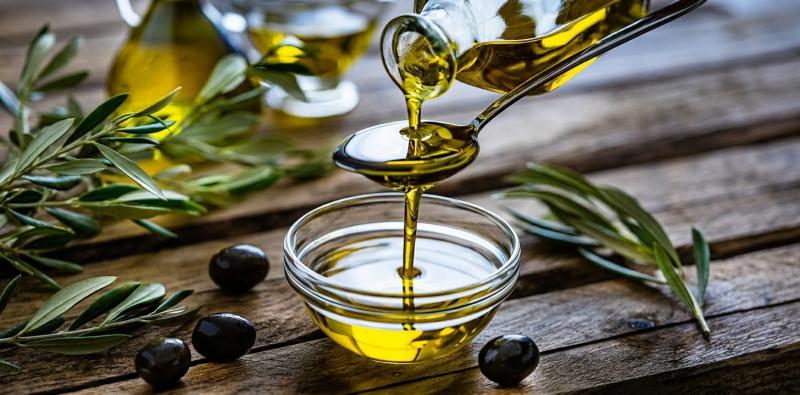
Olive oil remains one of the top interests for consumers at the start of each harvest season. Known for its high quality and rich flavor, Lebanese olive oil prices vary based on production area, crop quality, production quantity, and costs of extraction and transport.
Recently, olive oil prices have seen notable changes due to economic conditions and rising production costs, with crop yield varying across regions. Thus, recognizing average prices before purchase and distinguishing between genuine and adulterated oils is crucial.
Factors Determining Olive Oil Prices in Lebanon
The price of an olive oil tin isn't solely dependent on its production area. Several influential factors include:
- Quality of olive harvest.
- Acidity level in the oil.
- Extraction method, whether cold-pressed or otherwise.
- Harvest season production levels.
- Transportation and storage costs.
- Local market supply and demand.
- Reputation of the production area.
Additionally, freshly pressed oil is generally more expensive than oil stored from previous seasons due to its fresh taste and superior quality.
Regional Olive Oil Prices in Lebanon
South Lebanon and Iqlim al-Tuffah Olive Oil
Known for its superior quality, olive oil from South Lebanon and Iqlim al-Tuffah usually fetches the highest market prices. Freshly pressed tins range from $150 to $250 depending on quality, variety, and production area, influenced also by production quantity and seasonal demand.
Northern Lebanon and Akkar Olive Oil
The north and Akkar areas are key olive oil producers, offering significant production levels. Prices typically range from $110 to $180, varying with oil quality, laboratory test results, and product reputation.
Bekaa Valley Olive Oil
The Bekaa Valley produces substantial quantities of olive oil, selling much directly from mills. Tin prices start at $120 and can reach $145, depending on oil quality and season.
Past Seasons' Olive Oil
Some consumers prefer stored oil due to its lower price compared to new oil, priced between $75 and $90. However, taste, aroma, and nutritional value may vary from fresh oil. It's important to verify storage conditions before purchasing.
Why Do Prices Vary by Region?
Price disparities are due to factors such as olive varieties, oil yield from fruits, pressing quality, and storage methods. Climate conditions also significantly impact crop quality, with rainfall and temperature influencing production volume and oil quality.
The proximity of mills to farms helps maintain oil quality by reducing transport costs, affecting the final price.
Ensuring Genuine Olive Oil Purchase
Check the Weight
Ensure a filled tin weighs between 16.5 to 17 kilograms, with the net oil weight approximating 16 kilograms after the metal tin deduction.
Buy from Trusted Sources
Purchase directly from farms, mills, or reputable traders known for their integrity to minimize the risk of buying mixed or low-quality oils.
Be Wary of Pricing
Extremely low prices compared to market averages could indicate the need to verify product quality and source before buying.
Sample the Oil
Many producers allow tasting before purchase, a helpful means of assessing flavor, aroma, and product quality. Authentic olive oil is characterized by the fresh olive scent and a balanced taste that may have slight bitterness or pungency, typical of extra virgin oils.
Observe Oil Color
Though some associate a green color with quality, this is not an accurate standard. Oil color varies with the olive variety and harvest stage, and high-quality oil can be either green or golden.
Is New Season Oil Worth the Price?
Many consumers prefer freshly pressed new season oil for its optimal flavor and nutritional value when properly stored. Alternatively, oil from a previous season, stored away from light and heat in tightly sealed containers, may suit those seeking lower prices.
Preserving Olive Oil Quality
After purchase, store oil in a cool, dry place away from direct sunlight. Always tightly seal the container after use and refrain from transferring oil to clear containers for extended periods, as light and heat accelerate quality degradation.
In conclusion, olive oil prices in Lebanon vary by region based on harvest quality, production quantity, extraction method, and market demand.
Purchasing from trusted sources and verifying weight and quality are the best ways to acquire high-quality, authentic olive oil with substantial nutritional value and genuine taste.
See also
Best Profitable Projects in Lebanon 2026