


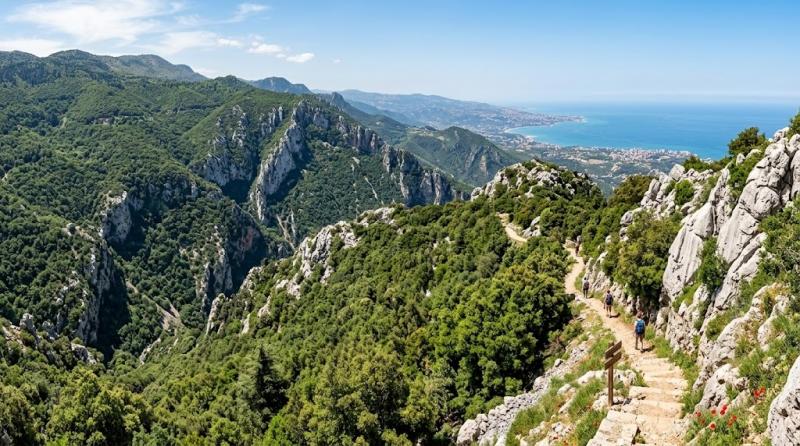
Located on the western slopes of Lebanon's mountain range, Jabal Moussa Reserve overlooks the Mediterranean Sea and is about 40 kilometers from Beirut. Spanning approximately 6,500 hectares, it includes Mount Moussa and seven villages, with some areas reaching up to 1,380 meters in elevation.
The reserve is not only significant for its natural beauty and mountainous trails but also culturally, housing relics from the Phoenician, Roman, Byzantine, and Ottoman civilizations. This makes it a perfect destination for enthusiasts of hiking, nature, and history.
Location of Jabal Moussa Reserve
Jabal Moussa Reserve is situated in the Keserwan area within Mount Lebanon Governorate, on the western slopes of the Lebanon mountain range, overlooking the Mediterranean. According to UNESCO, it is located about 40 kilometers northeast of Beirut, making it accessible for a day trip from the capital and surrounding regions.
The reserve encompasses a range of villages and mountainous areas, offering diverse landscapes from forests to rocky trails and valleys.
Significance of Jabal Moussa Reserve
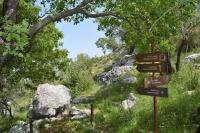
UNESCO-Recognized Biosphere Reserve
Jabal Moussa has been designated under UNESCO's Man and Biosphere Program, which focuses on areas that blend biodiversity conservation with the support of local communities and the sustainable use of natural resources.
This designation indicates a biosphere reserve status rather than a UNESCO World Heritage Site listing.
Rich Biodiversity
The reserve boasts significant plant and animal diversity, with 727 plant species recorded, including 26 species endemic to Lebanon and six to Jabal Moussa. Notably, oak, sycamore trees, and Mediterranean woodlands, along with olive orchards, thrive here.
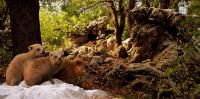
The rock hyrax, familiar in this region, has become a symbol of the reserve.
Sights in Jabal Moussa Reserve
Forests and Woodlands
The reserve is rich in varied vegetation, offering an ideal backdrop for nature lovers and photographers. The scenery changes with elevation and season, providing different views of forests and wild plants throughout the year.
Rock Formations
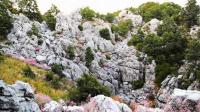
The area is distinguished by rocky formations, slopes, and valleys shaped by the limestone rock and the region's rainfall. These geological factors contribute to the reserve's unique landscapes, including gorges and karst formations.
Historical Sites
Jabal Moussa Reserve is home to historical remnants reflecting successive civilizations. UNESCO notes its connection to a Phoenician god, Roman roadworks, imperial inscriptions, Ottoman farmhouses, a Byzantine church, and a modern cross at its summit.
This provides an added dimension to trekking routes as visitors discover both natural and historical sites.
Key Activities in Jabal Moussa Reserve
Nature Walks
Hiking is among the top activities in the reserve, particularly due to the diverse terrain and vegetation. Trail difficulty varies, so it's essential to pick a path suited to fitness levels, time, and weather conditions.
Observing Plants and Wildlife
Nature enthusiasts can enjoy observing various plant and wildlife species, especially in areas with high biodiversity. It's best to observe without disturbing plants and animals to preserve the reserve's integrity.
Photography
The forests, peaks, rock formations, and surrounding vistas offer multiple photography opportunities, especially during spring and autumn when nature's colors change.
Heritage Exploration
The visit can combine physical activity with discovering the area's historical markers, adding a unique appeal compared to destinations focusing solely on natural scenery.
Is Jabal Moussa Reserve Family-Friendly?
The reserve can be family-friendly for those who enjoy nature and hiking, though choosing the right trail is crucial. Given the varying difficulty of mountainous paths, it's wise to select a route suitable for family members' ages and walking capabilities, particularly when with children.
Ensure proper footwear, sufficient water, and snacks, treating the reserve with respect for its natural setting.
Best Time to Visit Jabal Moussa Reserve
Spring
Spring is a delightful season to visit, marked by lush greenery and blooming wildflowers, offering ideal conditions for outdoor excursions.
Summer
Visits in summer are best during early morning when mountain temperatures are more pleasant than the coastal heat.
Autumn
Autumn gives the reserve a different look with changing foliage colors, ideal for photography and walking.
Winter
A winter visit requires more preparation due to potential cold and rainfall, possibly making some trails more challenging or slippery.
What to Bring When Visiting the Reserve
Essential Items for the Trip
- Suitable shoes for mountainous terrain.
- Adequate water supply.
- Weather-appropriate clothing and extra layers in colder temperatures.
- Sunscreen and a hat on sunny days.
- A small backpack for essentials.
- A charged phone or other communication means for emergencies.
- A snack for longer hikes.
It's crucial to keep all waste with you, as protecting the environment is integral to the eco-tourism experience.
Is Lake Chouwen Part of Jabal Moussa Reserve?
Lake Chouwen is linked to the natural area surrounding Jabal Moussa and known as a destination for hiking enthusiasts. However, it's better to view the reserve and lake as distinct sites.
What Sets Jabal Moussa Reserve Apart?
The reserve offers more than a natural experience; it merges multiple elements within one location. Forests, rock formations, biological diversity, walking trails, plus historical and archaeological sites mark its uniqueness.
Its location on Lebanon's western mountain slopes and proximity to Beirut make it a practical choice for a day in nature away from urban bustle.
Important Tips Before Visiting Jabal Moussa Reserve
Check Weather Conditions
Mountain weather conditions can change quickly; checking forecasts before heading out is advisable, especially in winter.
Choose the Right Trail
Don't select a trail based solely on photos. Consider its length, difficulty, and completion time.
Stick to the Paths
Staying on designated paths protects the vegetation and minimizes the risk of getting lost or having accidents.
Respect Wildlife
The reserve is home to diverse plant and animal life; avoid feeding or chasing animals or collecting wild plants.
Keep the Area Clean
A key rule for visiting reserves is not leaving trash and not lighting fires in undesignated areas.
Also See: