


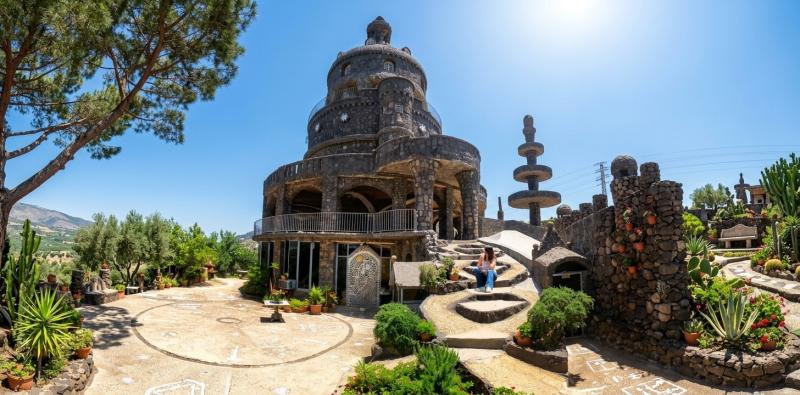
The Black Palace in Lebanon captivates visitors with its unique design and exceptional location in the town of Qosba, within the Koura District. Resembling a medieval European castle, this dark stone structure overlooks the Qadisha Valley and is situated near the ancient Lady Hamatoura Monastery, enhancing its touristic value beyond its remarkable architecture.
However, the story of this place extends beyond its exterior. It reflects the lifelong dream of the late Lebanese dentist, Dr. Elie Sarraf. Returning to Lebanon amidst the war, he initiated a cultural project in his hometown, which later became known as the "Black Palace" due to the black volcanic stone used in its construction.
Location of the Black Palace in Lebanon
The Black Palace is located in Qosba, Koura District, North Lebanon, offering its visitors a panoramic view of a stunning natural landscape. The building stands across the ancient Lady Hamatoura Monastery, near the Qadisha Valley and the Cedars Forest, combining architectural, natural, and religious heritage elements in its surroundings.
The site's location is one of its main attractions, allowing visitors to explore both the palace and the surrounding area's nature and landmarks. Hence, it can be part of a northern Lebanon tour rather than being seen as a standalone destination.
The Story Behind the Black Palace
A Dream Amidst the Lebanese War
The palace originated from a dream of Dr. Elie Sarraf to create a cultural landmark in his hometown. According to his son, Jean-Paul Sarraf, the project began during the tumultuous times of the Lebanese war.
Initially named Chateau du Liban or "Castle of Lebanon," it gained popularity as the Black Palace due to the dark volcanic stones used in its construction, occupying a wide area of nearly 50,000 square meters.
A Build Dependent on Personal Effort
Unlike a traditional construction project, Dr. Sarraf personally participated in many building phases with his family's help. Over time, the idea evolved into an extensive project combining construction, art, and collectibles.
The palace's architecture intricately intertwines with its owner's character, showcasing numerous artistic and craft touches, including wooden works, mosaics, and interior designs that reflect his interest in art and heritage.
Why Is It Called the Black Palace?
The Essence of the Black Volcanic Stone
The name "Black Palace" is directly linked to its appearance. Constructed from black volcanic stone, sourced from the Akkar region of northern Lebanon and transported to Qosba, it provides a striking color, contrasting with most traditional Lebanese structures.
This stone grants the building a distinct character often compared to old European castles. Changes in light and shadow continually affect the stone facade, giving the palace a mysterious aura, particularly noticeable from afar.
The Design of the Black Palace
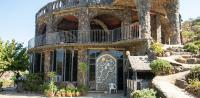
The building features a large circular form with seven stories, one of its most striking aspects, along with the interplay of stone elements, towers, and architectural details that provide a historic castle-like appearance.
The design significance extends beyond the external facade. The interior holds spaces that blend museum, art, and history, reflecting the owner's desire to transform the building into a cultural space rather than merely a private residence or palace.
What Lies Inside the Black Palace?
Museum of Artifacts and Woodworks
Inside, the palace houses various wooden works and miniatures, some crafted by Dr. Elie Sarraf himself over years of artistic endeavors, alongside pieces collected from different Lebanese regions.
The place also retains items related to his professional life, such as parts of his old clinic and tools, offering visitors a glimpse into the personal story of the man behind the palace.
Fossils and Rocks
The palace also showcases an array of fossils, rocks, and artifacts, adding a geological dimension to the visit. The collection features diverse natural rocks and ancient specimens, reflecting the region's rich natural history.
This diversity distinguishes the palace from traditional museums, where visitors move between various artistic, natural, and cultural exhibits.
Mosaics and Symbols
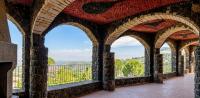
The palace's interior boasts murals, mosaics, and sculptures bearing symbols linked to Lebanon's cultural diversity, alongside multilingual welcome inscriptions, symbolizing openness to visitors and various cultures.
This interior design becomes part of the message the project aims to convey—showcasing Lebanon through art, memory, and heritage.
The Black Palace: More Than Just a Building
While the palace's color and form naturally draw attention, its true essence lies in its story. Representing a long personal journey transformed into a cultural project, it stands as a testament to perseverance, initiated during Lebanon's severe political and security crises.
Additionally, the art and collection-filled interiors provide cultural richness that goes beyond architectural oddities. The surrounding spaces imitate aspects of traditional Lebanese rural life, including related tools, scenes, crafts, and local customs.
The Black Palace and Tourism in Northern Lebanon
The palace can serve as a remarkable stop on a tour of northern Lebanon, especially for travelers interested in unconventional sites. Its location presents an architecturally unique building in proximity to the scenic Qadisha Valley and the Lady Hamatoura Monastery.
Moreover, it has garnered media and artistic attention, being used for fashion photoshoots and photographic sessions, further enhancing its design's visibility to a broader audience.
Important Information Before Visiting the Palace
Some sources provide visitation times and fees, though these specifics may vary with seasons or special events. It's advisable to confirm visiting schedules and availability before heading to the site, as the palace isn't a conventional tourist attraction open year-round.
A sufficient visit duration is recommended to appreciate more than just the exterior facade, given the significance of the collections and exhibits within and around it.
When Is the Best Time to Visit the Black Palace?
The area's optimal visiting times coincide with favorable weather for touring northern Lebanon, enhancing the site's appeal beyond the building to include the encompassing natural environment.
Choosing a time allowing clear visibility of the black stone details and enjoyment of the surrounding views is ideal. The visit can be combined with other destinations in the Koura region and northern Lebanon for a more comprehensive tour experience.
In conclusion, exploring the Black Palace in Lebanon reveals a narrative that goes beyond peculiar exterior aesthetics. This Qosba landmark is the fruition of a long-cherished personal dream of Dr. Elie Sarraf, aiming to forge a tie between architecture, art, and Lebanese heritage.
While many tourists seek traditional historical castles, the Black Palace offers a unique experience: a modern Lebanese castle encapsulating its creator's memory and striving to turn a personal dream into an accessible cultural monument.
See Also
Famous Crepes and Waffles in Beirut