


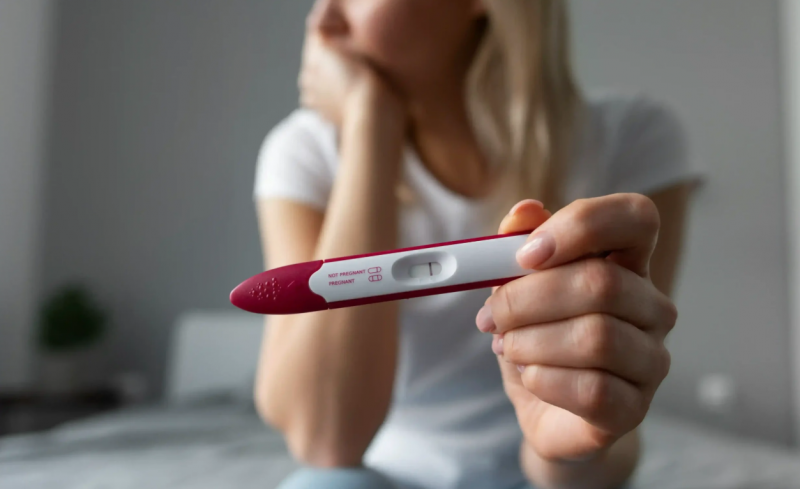
Delayed pregnancy can be a source of concern for couples, especially when regular attempts do not result in conception. While pregnancy can naturally take several months, persistent delays may indicate an underlying issue requiring evaluation and treatment.
Causes of delayed pregnancy in women include ovulation issues, problems with the ovaries, Fallopian tubes or uterus, age, hormonal disorders, and chronic health conditions. In some cases, the issue might not lie solely with the woman, prompting assessments to include both partners.
Common Causes of Delayed Pregnancy
Ovulation Disorders
Ovulation disorders are a common reason that can affect fertility. Regular or absent ovulation can significantly reduce pregnancy chances. These disorders may manifest as irregular, infrequent, or absent menstrual periods, with some cases showing no clear symptoms.
Polycystic Ovary Syndrome (PCOS)
PCOS is a typical cause of ovulation disorders in women of childbearing age. It can lead to menstrual cycle irregularities, increased hair growth, acne, and difficulties in conceiving. However, PCOS does not make pregnancy impossible; it can be managed to improve pregnancy prospects with appropriate medical guidance.
Diminished Ovarian Reserve
Referring to the remaining egg count in ovaries, ovarian reserve naturally diminishes with age. A lower reserve can impact fertility, particularly as a woman ages, though it may also occur prematurely due to various factors.
Advancing Age
Age is crucial in a woman’s fertility, with natural declines in egg quantity and quality. As women age, chances for certain pregnancy-related issues increase, prompting earlier fertility evaluations for older women.
Fallopian Tube Blockage
The Fallopian tubes are vital for the egg and sperm's meeting point. Blockages, caused by pelvic infections, surgeries, or endometriosis, can hinder pregnancy chances.
Endometriosis
This condition occurs when tissue resembling the uterine lining grows outside the uterus, potentially causing severe pain during menstruation or intercourse, yet sometimes presents without symptoms. It can affect fertility by impacting the ovaries, Fallopian tubes, or surrounding reproductive tissues.
Uterine Fibroids
Fibroids are non-cancerous growths in or around the uterus. Not all fibroids delay pregnancy, but their impact on fertility depends on size, location, and how they affect the uterine cavity.
Endometrial Issues
An embryo requires a healthy uterine lining for implantation to continue a pregnancy. Some uterine or cavity issues can impact the implantation of a fertilized egg.
Hormonal Disorders
Various hormones regulate the menstrual cycle and ovulation; disturbances in these hormones can affect fertility. Thyroid problems or high prolactin levels might associate with menstrual or ovulation issues, prompting hormone testing if necessary.
Do Irregular Periods Cause Delayed Pregnancy?
Irregular periods can indicate ovulation disorders, complicating fertility timing, yet don’t necessarily prevent pregnancy. Identifying the cause is important, particularly if changes persist or accompany other symptoms.
Does Weight Affect Fertility?
Both low and high body weight can affect fertility in some women. Severe weight loss or inadequate energy intake might disrupt ovulation, while excess weight links to hormonal disorders and ovulation issues. Achieving a healthy weight through balanced nutrition and suitable physical activity benefits reproductive health.
Can Stress Delay Pregnancy?
Intense and prolonged stress can affect overall health, sleep, and diet, which for some women, might alter menstruation or ovulation. Stress shouldn't be deemed the only reason for delayed pregnancy without considering medical causes.
Does Lifestyle Affect Pregnancy Chances?
Lifestyle habits like smoking, excessive alcohol intake, and inactivity can influence reproductive health. Extreme dieting or over-exercising linked with inadequate energy can disrupt menstruation and ovulation in some women.
Can a Pregnancy Delay Occur Without Any Apparent Issue?
Yes, for some couples, no specific reason emerges following fundamental assessments, termed unexplained infertility, which doesn’t preclude conception. Couples might need medical guidance, with options considering age, delay duration, and test outcomes.
When Should a Doctor be Consulted?
After One Year of Trying
If the wife is under 35, not conceiving after 12 months of regular intercourse without contraception typically warrants a fertility evaluation.
After Six Months
If the wife is 35 or older, seeking fertility evaluation after six months without conception is advisable.
Sooner in Some Instances
Earlier medical consultation may be necessary with irregular or absent periods, known issues in the uterus, ovaries, Fallopian tubes, or a previous history of pelvic surgeries or fertility problems.
What Tests Can Help Identify the Cause?
Assessments depend on the wife's age, symptoms, and medical history and may include:
Ovulation Evaluation
Period tracking, tests, and exams can determine ovulation regularity.
Ultrasound Imaging
Assists in assessing the uterus and ovaries, identifying issues like cysts or fibroids.
Fallopian Tube Tests
Doctors might recommend tests to check for openness or blockages in the tubes.
Hormonal Tests
These can be useful for assessing thyroid, prolactin, or other hormones related to ovarian function in some cases.
Does Delayed Pregnancy Mean Infertility?
No - Delayed pregnancy doesn't necessarily suggest infertility.
Pregnancy might naturally take time without underlying health issues; many causes of delayed pregnancy can be addressed once identified.
Timely medical evaluations are essential if factors warrant investigation, as early problem identification aids in selecting appropriate treatment or methods to enhance pregnancy chances.
See also: Normal Frequency of Intercourse for Married Couples? Causes of Delayed Pregnancy Due to Husband?