


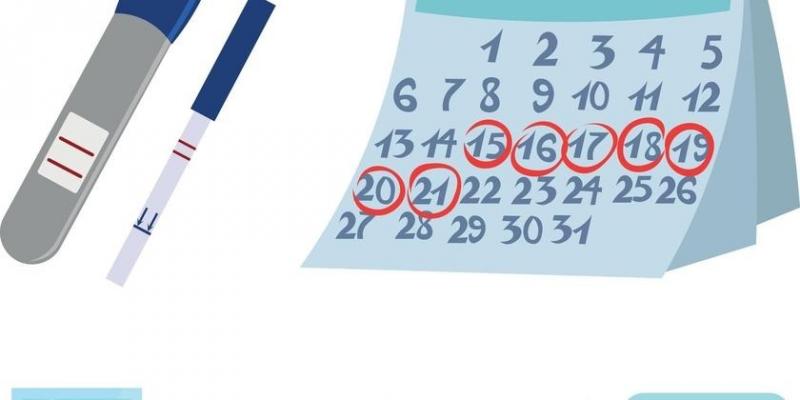
A delayed menstrual cycle is often a cause of concern for women, especially those who usually have regular cycles. While pregnancy is a common reason for a delay in women of childbearing age, a delayed period does not always mean pregnancy. It might result from stress, weight changes, hormonal disorders, or certain health conditions and medications.
Therefore, relying solely on a delayed period to confirm pregnancy is not sufficient. The use of a pregnancy test at the appropriate time and the monitoring of accompanying symptoms is recommended. This article outlines the main reasons for a delayed period, when pregnancy is a strong possibility, and when to consult a doctor.
Does a Delayed Period Mean Pregnancy?

No, a delayed period does not necessarily indicate pregnancy. It remains one of the early common signs, especially if unprotected sexual intercourse occurred in the preceding period.
When pregnancy occurs, certain hormones rise to maintain the uterine lining, preventing menstruation at its usual time. However, many other factors can delay menstrual flow, even for women with otherwise regular cycles.
If there is a chance of pregnancy, a pregnancy test is more accurate than relying solely on a delayed period.
When to Take a Pregnancy Test?
A home pregnancy test can be taken after a missed period, with results generally more reliable the longer you wait past the expected period.
Following test instructions accurately is crucial since timing and usage methods can affect results.
If the test is negative and the period still doesn't occur, retesting in a few days may be beneficial, especially if pregnancy is a possibility.
If the result is positive, it is advisable to contact a healthcare provider to follow up and confirm the pregnancy appropriately.
Causes of Delayed Periods Other Than Pregnancy
Several factors can delay a menstrual cycle, including:
1. Stress and Anxiety
Severe stress, anxiety, and lack of sleep can affect hormones responsible for ovulation, potentially delaying or irregularizing the period.
2. Weight Changes
Significant weight loss or gain can disrupt menstrual cycles.
3. Excessive Exercise
Intense physical activity, especially when combined with weight loss or low energy, can affect the menstrual cycle for some women.
4. Hormonal Disturbances
Certain hormonal disorders can cause irregular or delayed periods, such as thyroid disorders or elevated prolactin levels.
5. Polycystic Ovary Syndrome (PCOS)
PCOS is a common cause of menstrual irregularity and may result in infrequent or absent periods.
6. Certain Medications
Some medications can affect menstrual cycles, so informing a doctor of all medications being taken is essential if persistent disturbances occur.
7. Perimenopause
With age, menstrual cycles can change in timing and flow before reaching menopause.
How Many Days Can a Period Be Delayed Naturally?
There is no fixed number of days that is normal for all women, as cycle length varies from one woman to another and from month to month.
A delay might occur due to temporary changes in sleep, stress, weight, or ovulation timing. Thus, a delay of a few days does not automatically indicate a health issue or pregnancy.
Can a Pregnancy Test Be Negative Despite Being Pregnant?
Yes, early in pregnancy, a test can appear negative, especially if taken too soon.
Do Discharges Indicate Pregnancy?
Some women may notice changes in vaginal discharge early in pregnancy, but discharge alone is not a reliable sign of pregnancy.
When to Consult a Doctor for a Delayed Period?
Consultation is advised if the delay becomes frequent or the absence of menstruation is prolonged, especially if accompanied by other symptoms.
If there is a positive pregnancy test with severe pain on one side of the belly, bleeding, or significant dizziness, urgent medical evaluation is necessary to rule out early pregnancy complications.
How to Handle a Delayed Period?
If your period is late, first calculate when it was expected and consider if there's a possibility of pregnancy.
If pregnancy is possible, take a pregnancy test at the appropriate time; if negative and the delay continues, retest after a few days.
Conclusion:A delayed period does not always mean pregnancy. Though pregnancy is a primary consideration for sexually active women, delays can also arise from stress, weight fluctuation, hormonal issues, PCOS, or other factors.
See Also: