


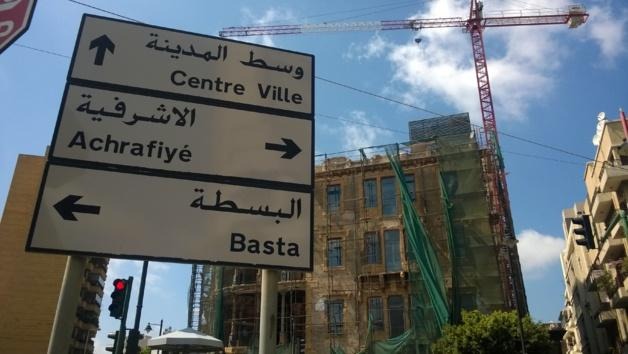
Basta is one of Beirut's most well-known historical districts, recognized for its proximity to the capital's heart and its unique architectural and social character developed over decades. The district is not only a residential and commercial hub but also holds a piece of old Beirut, with its markets and popular neighborhoods preserving part of its identity amidst the city's significant changes.
The area is primarily divided into Basta Al Fawqa and Basta Al Tahta, reflecting its geographical terrain sloping from lower regions to elevated areas. The alleys, streets, and markets showcase a blend of old buildings, modern structures, and popular shops, giving Basta a distinctive character compared to modern Beirut neighborhoods.
Location of Basta District
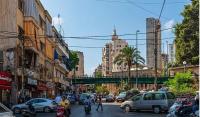
Situated in the heart of Beirut, Basta is within reach of several key areas of the capital, historically making it a bustling area for living and commerce. Its sprawling streets and inner alleys, alongside markets and shops, link it closely with Beirut's commercial and social dynamics over the years.
The elevated and low-lying parts of Basta provide diverse street characteristics, with noticeable differences in elevation and urban features between Basta Al Fawqa and Basta Al Tahta.
Basta Al Fawqa and Basta Al Tahta
The division into Al Fawqa and Al Tahta illustrates two primary sectors of the region.
Basta Al Tahta
Basta Al Tahta, closer to downtown Beirut, is vibrant with commercial activity along its streets. It hosts a variety of small shops offering diverse goods and services, from food, clothing, furniture to everyday needs.
Basta Al Fawqa
Basta Al Fawqa is the upper section known for its residential, popular nature, and its buildings reflecting different architectural stages of Beirut's evolution, originally linked with nearby summer resorts before the city expanded significantly.
Origin of the Name 'Basta'
Multiple stories suggest the origin of the name "Basta", with no single definitive account. Some theories attribute the name to the nature of the region's flat lands, while others connect it to old terms implying a bench or raised area for seating.
Historically, the term "Basta Al Sharifa" is associated with religious and educational gatherings, while other popular interpretations relate the name to the everyday life and markets of old Beirut.
These varied narratives highlight the area's antiquity and its connection to different historical phases of the city.
Basta and the Moniker 'Mountain of Fire'
Basta historically held the moniker "Mountain of Fire", reflecting the courage and strong community presence of its residents in Beirut's social life.
It is also linked with the image of the "Beyruti Qabdai", a figure from traditional social culture embodying strength, bravery, neighborhood protection, and support for local residents.
Despite social changes over time in Beirut, these stories remain ingrained in popular memory, reflecting Basta's historical narrative and its people.
Popular Markets in Basta
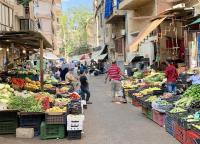
Basta is celebrated for its bustling commercial activity, with markets and shops lining its streets and alleys.
Visitors can explore shops specializing in food, daily products, clothing, furniture, and various other items, with some retaining a traditional charm absent in modern shopping centers.
The markets illustrate daily life as commercial interactions blend with residential settings, keeping small shops as an essential part of the scene.
The markets also feature products tied to Beirut and Lebanese cuisine, offering a glimpse into the city's traditional life.
Old Architecture in Basta
Despite Beirut's urban expansion, parts of Basta preserve buildings and homes with traditional Beirut architectural features.
Some buildings display architectural elements from different city history stages, alongside modern structures built through the city's expansion and reconstruction.
This intersection of old and new forms part of Basta's character, allowing visitors to traverse distinct architectural scenes within short distances, reflecting Beirut's temporal transformations.
Grand Mosque of Basta Al Tahta
The Grand Mosque of Basta Al Tahta stands as a prominent religious landmark in the area, valued for its historical and architectural significance within the neighborhood's old fabric.
The mosque connects with the area's history and social evolution, serving roles beyond worship, including education, social interaction, and community service.
Its presence alongside markets and old houses reflects historical Beirut's nature, where mosques, markets, and homes formed interconnected parts of daily life.
Social Life in Basta
Basta is known for its strong social fabric, built upon generations of relationships among residents, neighbors, and families.
The area showcases clear social diversity, making it one of the districts reflecting Beirut's diverse composition.
As internal migration and Beirut's social and political changes shaped the area's modern identity, many traditional customs and practices remain active in daily life.
Basta in Beirut's Memory
Talking about Basta entails recognizing its place in Beirut's memory, linked to numerous stories, figures, markets, and popular tales, forming part of the city's collective memory over time.
Old stories reveal a different Beirut, where neighborhoods were more interconnected, and popular markets, mosques, and squares were central for resident gatherings and communication.
Despite Beirut's changes, Basta retains part of this spirit, especially in areas maintaining their traditional character.
Is Basta a Heritage Area?
Basta can be viewed as an area of historical and social significance in Beirut, linked with the city's history and retaining some old buildings and landmarks.
Its architectural nature isn't uniform, with old buildings alongside modern structures, commercial spaces, and contemporary residences.
Thus, Basta exemplifies Beirut's transformations, where old features remain part of a more diverse urban scene.
What Can Visitors Discover in Basta?
If interested in Beirut's history and popular districts, exploring Basta offers a chance to discover the capital from a different angle, away from modern tourist spots.
Key attractions include:
-Old traditional markets and shops.
-Buildings and homes with traditional Beirut architecture.
-Mosques and religious landmarks.
-Internal streets and alleys.
-Residents' everyday life.
-Traditional products and foods in certain shops.
-The blend of old and new architecture.
Visitors should respect residents' privacy, especially when photographing homes or internal streets in historical districts.
Basta Between Past and Present
Beirut has experienced vast urban and social changes over decades, affecting Basta as well, with transformed streets, buildings, and commercial activities.
Nevertheless, the area retains elements of its popular identity, especially through markets, social relations, and ongoing presence of old families.
Basta holds importance as a space embodying multiple phases of the city's history, mingling popular memory with contemporary life.
Why Basta Deserves Attention
Basta offers a different glimpse of Beirut, relying not solely on famous landmarks but daily social and architectural heritage details.
While districts like downtown Beirut, Gemmayze, and Hamra attract visitors with modern amenities, Basta provides an experience closer to old popular Beirut.
Its stories, old names, markets, and religious landmarks make it a significant topic for researchers and those interested in the Lebanese capital's history.
Conclusion
The Basta District in Beirut remains one of the neighborhoods holding a vital part of Lebanon's capital history, from Basta Al Fawqa to Basta Al Tahta. Popular markets intertwine with old buildings, mosques, and alleys, where daily life continues despite Beirut's urban and social shifts.
See Also
Best Places for Tourist Projects in Lebanon
Best Hotel Apartments in Byblos