



Many women wonder if pregnancy can occur days before their menstrual period. This concern often arises when there is unprotected intercourse. Although the chance of pregnancy is typically lower in the days leading up to menstruation for women with regular cycles, it is not impossible, as ovulation can vary monthly.
The likelihood of pregnancy largely depends on ovulation timing, cycle length, and the lifespan of sperm, making the proximity of menstruation an unreliable method to prevent pregnancy.
Can Pregnancy Occur Days Before Menstruation?
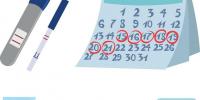
Indeed, pregnancy can occur just days before the expected menstruation, though the chances vary with ovulation timing.
In a regular 28-day cycle, ovulation typically happens about two weeks before the next period, meaning intercourse days before a period typically falls outside the primary fertile window.
However, ovulation is not always fixed; it may advance or delay due to natural cycle fluctuations or factors like stress, illness, travel, sleep, and weight changes.
If ovulation occurs later than usual, intercourse that seems to be "days before the period" might actually fall within a timeframe where conception is possible.
Why Can Pregnancy Occur Before Menstruation?
Delayed ovulation is a key reason pregnancy might occur despite upcoming menstruation.
Sperm can live in the female reproductive system for several days under optimal conditions, while an egg’s viability is short after its release from the ovary. Hence, intercourse days before ovulation can lead to pregnancy.
Additionally, relying on mobile apps or manual calculation to predict cycle timing may not precisely indicate ovulation, especially with irregular cycles.
What Is the Probability of Pregnancy 5 Days Before Menstruation?
For regular cycles with timely ovulation, the chance of conceiving from intercourse five days before the expected period is typically low.
However, a universal percentage is elusive as ovulation timing may vary each cycle.
Thus, relying on a five-day premenstrual window as assurance against pregnancy is ill-advised.
What About Pregnancy 3 Days Before Menstruation?
Pregnancy 3 days before menstruation is less likely usually if the cycle is regular and ovulation has occurred.
Nevertheless, if the expected cycle timing is inaccurate or ovulation happened late, pregnancy cannot be entirely ruled out.
Is Pregnancy Possible a Day or Two Before Menstruation?
If a period is indeed imminent and ovulation occurred roughly two weeks prior, the likelihood of getting pregnant during this time is very low.
However, the issue arises when a woman believes her period is due based on calculations, while it is actually delayed due to late ovulation.
Therefore, using menstrual timing alone is not a reliable birth control method.
Do Premenstrual Symptoms Indicate No Pregnancy?
Not necessarily.
Early pregnancy symptoms can mirror premenstrual symptoms, such as:
- Breast tenderness or pain.
- Bloating.
- Fatigue.
- Mood swings.
- Mild cramping.
- Appetite changes.
Thus, symptoms alone aren't definitive for pregnancy confirmation.
When Does Pregnancy Show Up on a Test?
For unprotected intercourse with potential pregnancy, a pregnancy test is the most reliable confirmation method.
A home test can be taken after a delayed period, with precise adherence to instructions recommended. Early negatives may not eliminate pregnancy if tested prematurely.
If the result is negative and the period has not started, the test can be redone after several days.
Can Pregnancy Happen With Irregular Cycles?
Yes, predicting ovulation is harder with irregular cycles.
Inconsistencies, such as cycles lasting 25 days at times and 32 or 35 days at others, render fertility window predictions based on the calendar inaccurate.
Thus, days preceding the expected period shouldn't be considered "safe days" with certainty.
What Should You Do After Unprotected Intercourse Before Menstruation?
If you wish to avoid pregnancy after recent unprotected intercourse, acting swiftly is crucial, as emergency contraception is most effective the sooner it's used. The appropriate option depends on the time elapsed since intercourse and any health or medication factors.
If the concern is whether pregnancy has occurred, a timely pregnancy test can provide answers, especially if the period is delayed.
Does Bleeding After Intercourse Mean No Pregnancy?
Not always.
Bleeding or spotting may result from various causes, and no bleeding can conclusively indicate the absence of pregnancy.
If unusual bleeding occurs, especially with severe pain, dizziness, or worrying symptoms, consulting a doctor is advisable.
When Should You Consult a Doctor?
Consult a doctor if cycles are persistently irregular, if there is a delayed cycle with a potential pregnancy, or if experiencing unusual symptoms.
For severe lower abdominal pain, heavy bleeding, severe dizziness, or fainting with potential pregnancy, urgent medical evaluation is necessary.
Conclusion
Pregnancy can occur days before menstruation. However, the odds are generally low if the cycle is regular and ovulation occurs on schedule. Still, relying solely on the expected cycle date to prevent pregnancy is unreliable since ovulation can shift between cycles.
In case of unprotected intercourse and unwanted pregnancy, considering emergency contraception in a timely manner is prudent. For pregnancy suspicion, a test is the most accurate verification method.
See Also
How Often Do Married Couples Naturally Have Intercourse?Reasons for Delayed Pregnancy Due to the Husband?
Names and Prices of Contraceptive Pills in Lebanon