


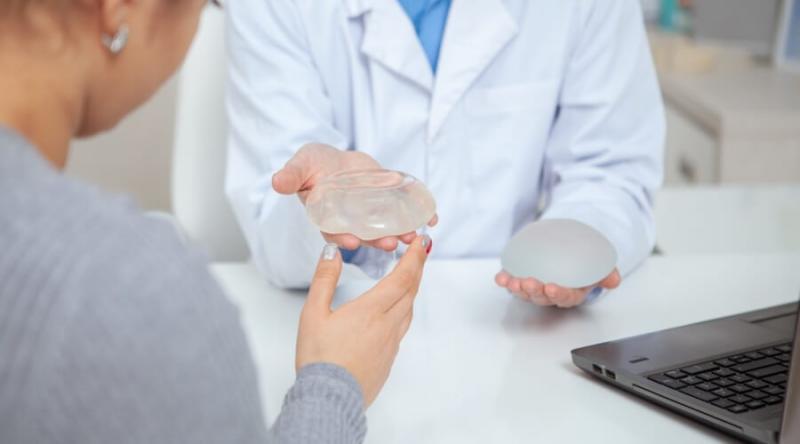
Breast augmentation is a popular cosmetic procedure performed using breast implants or, in some cases, through fat transfer. While the procedure can help change the size and shape of the breasts, achieving good results does not rely solely on the surgery. It also depends on proper preparation before the procedure and adhering to post-operative care instructions during the recovery phase.
A common mistake that can affect the recovery journey is ignoring the doctor's instructions or treating the post-operative phase as a simple period, assuming one can quickly return to normal life. Therefore, it's crucial to know what should be avoided before and after breast augmentation surgery, emphasizing that the instructions vary depending on the case, type of surgery, implant placement, and patient health status.
Mistakes to Avoid Before Breast Augmentation
1. Smoking Before Surgery
Smoking is a significant concern that should be avoided before surgery because nicotine can affect blood flow and oxygen delivery to tissues, which may impede wound healing. The American Society of Plastic Surgeons advises quitting smoking according to the duration specified by the surgeon, sometimes requiring cessation for several weeks before and after surgery.
2. Taking Medications Without Informing the Doctor
A common error is not informing the surgeon about all medications and supplements the patient is using. Some medications, such as aspirin and certain anti-inflammatory drugs, can increase bleeding risks, prompting the doctor to stop or adjust their usage before surgery. Do not cease any prescribed medication on your own; instead, discuss it with your doctor.
3. Ignoring Dietary Supplements and Herbs
You should notify the doctor about any used supplements and herbal products, even if they are natural. Some supplements may influence bleeding or interact with anesthesia or other drugs. Therefore, their use should only be modified under medical guidance.
4. Choosing Implant Size Based on Photos
Some women may wish to select an implant size after seeing images on social media. However, the suitable size varies from one woman to another. Selection should consider breast shape, chest size, skin elasticity, breast tissue amount, and aesthetic goals. Discuss these details with the surgeon rather than relying on another woman's experience.
5. Not Informing the Surgeon of Medical History
The doctor needs to be informed of past illnesses, allergies, medications, previous surgeries, and any health issues that may impact the surgery or anesthesia. It's crucial to also share results from breast images or previous biopsies and family history of breast cancer if available.
6. Ignoring Potential Risks
Treating breast augmentation as a cosmetic procedure without risks is a mistake. Complications can include infection, pain, sensation changes, capsule contraction around the implant, asymmetry, implant rupture, and the need for additional surgeries. The FDA emphasizes that breast implants are not lifetime devices and some women may require additional surgeries in the future.
Mistakes to Avoid After Breast Augmentation
7. Returning to Exercise and Effort Quickly
A mistake is trying to resume sports or lifting heavy objects too soon without clearance. The recovery period varies depending on the surgery type and surgeon's instructions. Nevertheless, the American Society of Plastic Surgeons notes post-augmentation instructions typically include avoiding heavy lifting and exercise for a surgeon-specified period.
8. Sleeping on the Stomach Too Soon
Sleeping on the stomach may exert undue pressure on the breasts during recovery. Therefore, adhere to the surgeon-recommended sleep position and do not return to sleeping on the stomach or sides until approved.
9. Neglecting Wound Care
Ensure the surgical area is kept clean and dry according to medical advice. Do not remove bandages or meddle with surgical incisions without a doctor's guidance. Also, adhere to prescribed medications and monitor any abnormal changes at the surgical site.
10. Expecting Immediate Final Results
Initially, the breasts may appear different from the expected shape due to swelling, bruising, and implant adjustment as they settle. Hence, it's erroneous to judge the final outcome in the first few days, as the body requires time for recovery and breast appearance stabilization.
11. Ignoring Follow-up Appointments
Post-operative follow-ups are a fundamental aspect of care, even if the patient feels well. During visits, the surgeon can monitor wound healing, implant position, and check for signs of complications that may require intervention.
12. Resuming Smoking During Recovery
Do not consider the surgery's end as a reason to resume smoking immediately. Smoking can hinder tissue healing, so adhere to the smoking cessation period specified by the surgeon post-surgery.
13. Ignoring Unusual Symptoms
It's vital not to overlook sudden or atypical changes in the breasts or implant site. The FDA advises contacting the doctor if abnormal changes or implant-related symptoms are noticed.
Do Breast Implants Last a Lifetime?
No, breast implants are not intended to last a lifetime. The FDA indicates that the longer the implant remains, the greater the risk of complications and the potential need for additional surgeries, varying between individuals. Hence, women with breast implants need to monitor their condition and adhere to medical recommendations for appropriate screenings.
See Also:
Cost of Breast Augmentation Surgery in Lebanon