


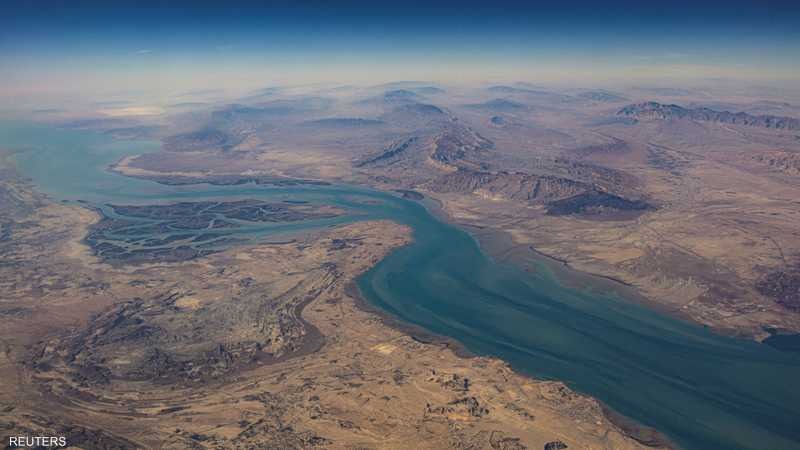
Regional officials disclosed Tuesday that U.S. President Donald Trump threatened to bomb Oman due to Washington's displeasure over Muscat and Tehran nearing an agreement on the navigation management of the Strait of Hormuz. This development complicates ongoing diplomatic efforts to de-escalate regional tensions.
According to the Associated Press, unnamed officials reported that the Trump administration expressed concern to Oman over undisclosed parts of the agreement, notably a proposal for joint management between Iran and Oman of the strait's exit.
U.S. officials believe Oman has not taken a firm enough stance against Tehran in negotiations and object to Oman's consent to a voluntary toll mechanism for ships passing through, even if earmarked for security and environmental services.
These objections arise as Oman and Iran work on an understanding that could widen the strait to navigation, potentially resuming negotiations between Washington and Tehran to end the conflict.
Sources indicate Trump threatened Oman on Monday over the proposed arrangement, reflecting heightened tensions between Washington and Muscat regarding managing one of the world's crucial waterways.
Trump escalated matters by publishing a map labeling the Strait of Hormuz as a U.S. territory, after hinting at this idea in recent days.
Speaking from the Oval Office Monday, Trump stated he favored declaring the strait a U.S. territory without providing legal or political details on implementing such a notion.
Iran swiftly responded, with Deputy Foreign Minister Kazem Gharibabadi dismissing Trump's remarks on Hormuz control as "illusions," hinting that Tehran would "correct" them.
This is not the first instance of Trump's threats toward Oman; he previously mentioned in May the possibility of targeting the sultanate if it did not comply with Washington's directives.
The U.S.-Omani disagreement coincides with ongoing military tensions in the region. The UK's Maritime Trade Operations noted a vessel's attack while exiting the Strait of Hormuz.
The UAE's Ministry of Defense reported two ballistic missiles launched from Iran towards the UAE, underscoring persistent security risks in the Gulf and the maritime corridor.
Conversely, Iran remains steadfast on Hormuz navigation, insisting full re-opening hinges on U.S. compliance with certain demands.
Iran's conditions involve lifting the U.S. blockade, unfreezing assets, lifting oil sector sanctions, ending threats and military actions across fronts, and fulfilling previous understanding commitments.
Egypt expressed support for Oman's diplomatic efforts, with the Foreign Ministry suggesting the Iranian-Omani understanding could pave the way for U.S.-Iran negotiations and a "comprehensive and lasting" agreement addressing concerns and enhancing regional security and stability.
Following a meeting with Omani Foreign Minister Badr al-Busaidi, Egyptian Foreign Minister Badr Abdel Aty issued a statement omitting reference to Trump's alleged threats against Oman.
Simultaneously, Trump declared no scheduled talks with Iran but insisted the Strait of Hormuz is "open and operational," despite continued navigation restrictions and new security incident reports.
The U.S. blockade remains "in full force," with mines cleared, according to Trump, following the expiration of a 60-day negotiation timeline with Tehran without reaching a final agreement.
These developments place Oman, a diplomatic mediator between Washington and Tehran, in a delicate position, trying to broker a navigation agreement through the Strait of Hormuz while the U.S. opposes critical parts of the proposed understanding and Iran holds firm to its preconditions for re-opening the strait.
Amid U.S. threats, Iran's navigation agreement adherence, and continuing maritime attacks, the Strait of Hormuz standoff evolves from a U.S.-Iran confrontation to a broader crisis challenging Omani mediation under growing pressure.