


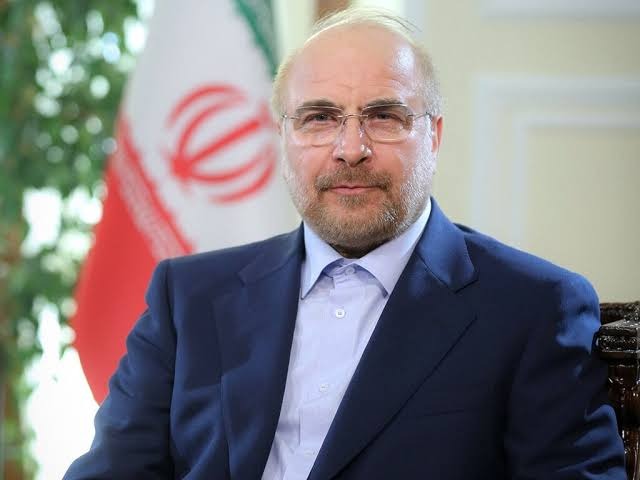
Iran's Parliament Speaker, Mohammad Bagher Qalibaf, escalated his rhetoric against the United States, emphasizing that Tehran would not make any concessions not agreed upon in prior understandings, even under economic or military pressure. This comes as signs indicate a new phase of escalation in the US-Iran confrontation.
In a post on platform 'X' on Tuesday, Qalibaf stated that the Americans believe increasing pressure on Iran would lead to additional concessions "never part of the agreement," referencing recent US moves to tighten economic and military constraints on Tehran. Reports published Tuesday reinforce his stance on refusing new concessions under pressure.
Qalibaf directed sharp criticism at US Treasury Secretary Scott Besant and Secretary of Defense Pete Hegseth, arguing that relying on them to extract new concessions from Iran will not deliver the results Washington expects.
Employing sarcastic language, Qalibaf urged the US administration to stop waiting for what he called "a team of clowns" to pull "a rabbit out of the hat" and instead focus on addressing the fallout from its policies toward Iran.
His comments come amid increasing US pressure on Tehran, particularly with Trump administration officials speaking about new economic measures aimed at further isolating Iran and reducing its oil export revenues and financial networks.
In response, Tehran maintains that any new requests from Washington not included in previous understandings will be unacceptable, consistent with Qalibaf's earlier statements that Iran will not agree to any deal that doesn't secure what it considers its fundamental rights and demands.
At the heart of the standoff is the Strait of Hormuz, with Qalibaf having previously asserted that Iran will continue imposing restrictions on naval movement as long as the US blockade continues, linking any change in Tehran's stance to Washington fulfilling what it claims are past commitments.
Iranian demands include lifting the US blockade, releasing frozen Iranian assets, easing oil sanctions, and halting military operations on various fronts—issues now directly tied to the dispute over Hormuz navigation's future.
Qalibaf has previously noted that Iran considers the security of the Strait of Hormuz tied to the absence of US military presence, warning that the sea corridor's status will not revert to its past condition.
This verbal escalation coincides with the expiry of deadlines tied to Washington-Tehran understandings, amidst a lack of signs pointing to an imminent settlement and persistent disputes over the nuclear program, sanctions, maritime blockade, and navigation arrangements.
Thus, Qalibaf's statements set a high bar for Iran's stance in the upcoming period: no additional concessions under pressure, and no retreat on the Hormuz issue before Washington fulfills what Tehran sees as previous commitments, signaling continued political, economic, and military confrontation between the two sides.