


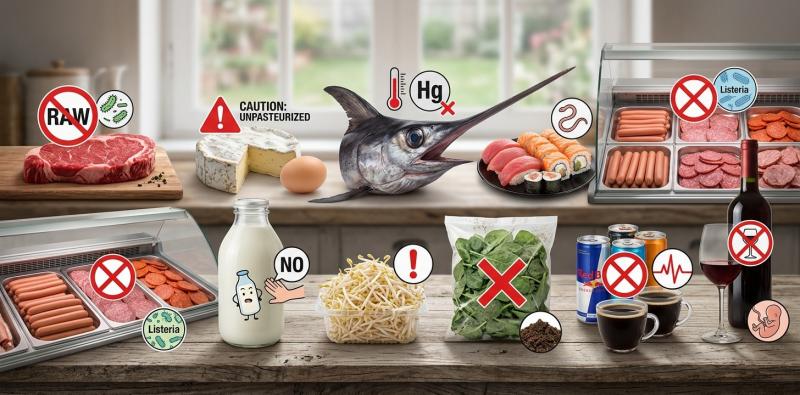
Avoiding certain foods during pregnancy is crucial for maintaining the health of both the mother and the baby. Pregnancy can make the immune system more susceptible to certain bacteria and parasites that may be transmitted through food. Additionally, some foods may contain high levels of mercury or ingredients that can affect fetal development if consumed in large amounts.
While a balanced diet is essential throughout pregnancy, food safety is just as important as nutritional value. Therefore, global health organizations recommend avoiding certain foods and drinks, while choosing safe and nutritious alternatives to ensure a healthy pregnancy.
Why Are Some Foods Prohibited During Pregnancy?
During pregnancy, the body is more vulnerable to certain foodborne infections such as listeriosis, salmonella, and toxoplasmosis. These infections might present mild symptoms in the mother but can lead to severe complications for the fetus.
Moreover, some fish species contain high levels of mercury, which can impact the development of the fetal nervous system when exposed to large amounts.
Foods to Avoid During Pregnancy
1. High-Mercury Fish
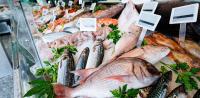
These include swordfish, shark, king mackerel, marlin, and some large tuna. Mercury can affect the brain and nervous system development of the fetus. It is advisable to opt for low-mercury fish like cooked salmon, sardines, and shrimp, adhering to recommended health guidelines.
2. Raw Seafood
This includes sushi made from raw fish, raw shellfish, and uncooked smoked fish. These foods may harbor bacteria, viruses, or parasites, which can cause foodborne infections during pregnancy. It’s preferable to consume seafood after it has been cooked thoroughly.
3. Raw or Undercooked Meats
Undercooked meats might contain bacteria or parasites like salmonella or toxoplasmosis. For this reason, meat and poultry should be cooked to full doneness, and tasting meat before it is fully cooked should be avoided.
4. Processed and Cold Meats
Including luncheon meat, mortadella, hot dogs, pastrami, and ready-to-eat cold meats. These products may be contaminated with listeria bacteria. It is recommended to consume them only after heating them thoroughly until they are steaming hot.
5. Raw or Undercooked Eggs
Raw eggs feature in some foods like homemade mayonnaise, certain desserts, mousse, and uncooked dough. Since raw eggs can carry salmonella, it’s better to eat fully cooked eggs, ensuring the yolk and whites are firm.
6. Unpasteurized Milk and Products
Unpasteurized milk and some of its products might contain listeria bacteria and other harmful germs. Ensure to select only pasteurized milk and dairy products, checking the food label before purchasing.
7. Unpasteurized Soft Cheeses
This includes cheeses like brie, camembert, blue cheese, and other soft cheeses made from unpasteurized milk. Cheeses made from pasteurized milk are safer, so always verify the type of milk used.
8. Raw Sprouts
Including alfalfa, radish, bean sprouts, and other raw sprouts. Bacteria can grow inside these sprouts before harvest, and washing is not sufficient to remove them. It’s better to eat them cooked or avoid them during pregnancy.
9. Unpasteurized Juices
Fresh, unpasteurized juices may contain harmful bacteria if not prepared or stored safely. Therefore, choose pasteurized juices or prepare juice at home from well-washed fruits, consuming it immediately.
10. High Caffeine Intake
Pregnant women are advised not to eliminate caffeine altogether but to limit its intake to no more than about 200 mg per day, as recommended by various medical bodies.
This includes coffee, tea, some energy drinks, carbonated drinks, and chocolate. Hence, it’s important to calculate the total caffeine intake from all sources.
Safe Foods to Eat Instead of Prohibited Foods
Instead of the foods advised against, focus on healthy options like:
- Well-cooked low-mercury fish.
- Fully cooked eggs.
- Pasteurized milk and dairy products.
- Thoroughly washed fruits and vegetables.
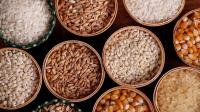
- Whole grains.
- Legumes.
- Unsalted nuts.
- Thoroughly cooked meats and poultry.
Important Dietary Tips for Pregnant Women
Alongside avoiding unsafe foods, certain habits can help reduce the risk of foodborne infections during pregnancy.
The Top Tips Include
- Wash hands thoroughly before preparing food.
- Carefully wash fruits and vegetables.
- Separate raw meats from ready-to-eat foods.
- Store food at appropriate temperatures.
- Avoid expired foods.
- Ensure meats, fish, and eggs are thoroughly cooked.
- Check food labels to confirm dairy products are pasteurized.
When to Consult a Doctor?
If a pregnant woman experiences food poisoning or consumes suspect food and presents symptoms like fever, severe vomiting, persistent diarrhea, strong abdominal pain, or reduced fetal movement in advanced stages of pregnancy, she should see a doctor immediately for evaluation and appropriate treatment.
It is also recommended to consult a doctor or nutrition specialist before using any dietary supplements, herbs, or special diets during pregnancy.
In Conclusion, these foods help reduce the risk of foodborne infections and exposure to substances that might affect fetal development, including high-mercury fish, raw seafood, undercooked meats, raw eggs, unpasteurized milk, some soft cheeses, and unpasteurized juices.
Similarly, pregnancy does not mean depriving the mother of a varied diet. It depends on selecting safe, balanced foods rich in essential nutrients. Adhering to medical advice and regular check-ups throughout the pregnancy ensures the best care for both mother and baby.
See Also