


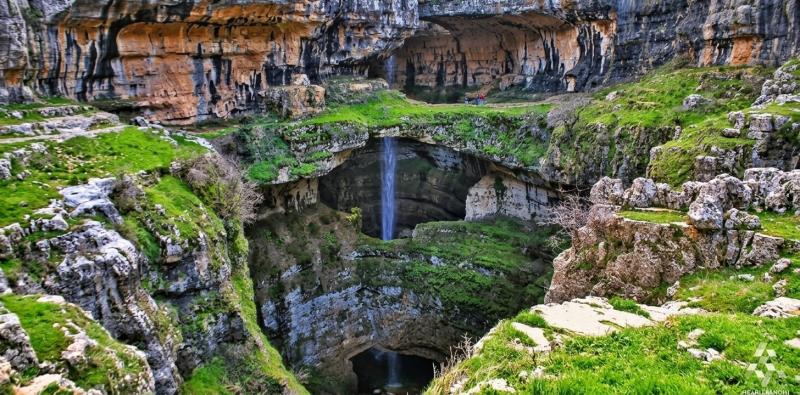
The countryside of Lebanon is one of the top tourist destinations visited year-round for its stunning mountain landscapes, dense forests, deep valleys, and villages that have retained their heritage identities. Lebanon’s geographical diversity presents a unique opportunity for tourists to enjoy a variety of experiences, from cedar-covered mountain peaks to springs, waterfalls, and ancient markets.
Lebanon’s rural villages are known for their tranquility, family-friendly atmosphere, and traditional restaurants offering the finest local cuisine. The areas combine historical heritage with untouched nature, making them ideal for hiking, photography, and relaxation away from city noise.
What Makes Lebanon's Countryside Famous?
Lebanon offers a mix of mountains, valleys, forests, and rivers within a relatively small geographic area, giving visitors the chance to explore multiple destinations on a single trip.
Additionally, rural villages retain their traditional charm through stone houses, old markets, and historic squares. Natural reserves provide perfect settings for activities like hiking, bird watching, and camping.
Top Rural Destinations in Northern Lebanon
1. Qadisha Valley
Known as the Sacred Valley, Qadisha Valley is one of Lebanon’s most famous natural landmarks and a UNESCO World Heritage site, recognized for its historical and natural significance.
The valley is renowned for its towering cliffs and deep gorges, as well as its historic monasteries carved into rocks, embodying the region’s religious and cultural importance over centuries. Its hiking trails offer a unique experience for nature enthusiasts and photographers.
2. Ehden
Located in the Zgharta District, Ehden is one of the most beautiful mountain towns in northern Lebanon, known for its moderate summer climate and heritage square filled with restaurants and cafes.
The town is also famous for Ehden Nature Reserve, home to diverse flora, fauna, and Lebanon’s most significant natural reserves.
3. Tannourine
Tannourine is widely recognized for its Tannourine Cedars Forest Nature Reserve, featuring one of Lebanon’s largest natural cedar forests. The area also hosts the “Baatara Gorge” waterfall, a natural phenomenon attracting thousands of visitors annually.
4. Bsharri
Bsharri is a renowned Lebanese mountain town and the birthplace of the famous writer Gibran Khalil Gibran. The town houses the Gibran Museum and the “Cedars of God” forest, featuring some of Lebanon’s oldest cedar trees and overlooking the Qadisha Valley.
5. Akkar
Akkar Province retains much of its natural, untouched beauty, particularly in the towns of Qoubaiyat and Qamouaa. The region boasts fir, larch, and pine forests, alongside long hiking trails through its mountains and forests, ideal for eco-tourism enthusiasts.
6. Shouf Biosphere Reserve
The Shouf Biosphere Reserve is Lebanon’s largest natural reserve, spanning across villages including Barouk, Maaser el-Shouf, and Ain Zhalta. It offers long hiking trails, bird watching, wildlife exploration, and is famous for its historic cedar trees, symbolizing Lebanon nationally.
7. Deir el-Qamar
One of Lebanon’s most beautiful historic towns, Deir el-Qamar was once the capital of the Shihabi emirs. The town features narrow stone streets, a historic square, old palaces, and traditional houses, offering visitors a mix of history and nature.
8. Falougha
Located in the Baabda District, Falougha is known for its pine forests, natural springs, and serene atmosphere, making it a summertime favorite for families.
9. Harissa
Beyond its religious landmarks, Harissa offers panoramic views of Jounieh Bay and numerous mountain restaurants and cafes for visitors to enjoy stunning natural scenery.
10. Faqra
Faqra, in the Keserwan District, is famous for both natural beauty and historic ruins. It contains Roman temple remains and natural stone bridges, alongside mountain resorts attracting year-round visitors.
11. Rachaya al-Wadi
Sitting at the base of Mount Hermon, Rachaya al-Wadi is known for the Independence Fortress, significant to Lebanon’s history, its old market, traditional stone houses, and mountainous nature.
12. Jezzine
Jezzine is a top tourist destination in southern Lebanon, celebrated for its towering waterfall and surrounded by expansive pine forests. It is also famous for traditional handcrafted knives and daggers, integral to its craft heritage.
Why Lebanon's Countryside is Worth Visiting
The countryside’s vast diversity allows visitors to transition from dense forests through deep valleys to heritage villages within just a few hours.
These sites offer various opportunities for hiking, photography, relaxation, and tasting traditional Lebanese dishes popular in mountain villages.
Additionally, these areas help preserve Lebanon’s cultural and natural heritage, making visits a blend of nature enjoyment and historical discovery.
Best Time to Visit Lebanon’s Countryside
Spring is ideal for exploring rural villages when flowers bloom and mountains turn green. In summer, Lebanon’s highlands provide refuge from coastal city heat, while autumn offers visitors unique scenic views with changing leaf colors. Winter brings special beauty to some mountain areas as they get blanketed in snow.
In conclusion, Lebanon’s rural villages are perfect for those looking to enjoy peace, natural landscapes, and outdoor activities, while discovering local heritage and culture that makes each area unique.
See Also
Information about Beit Beirut Museum