


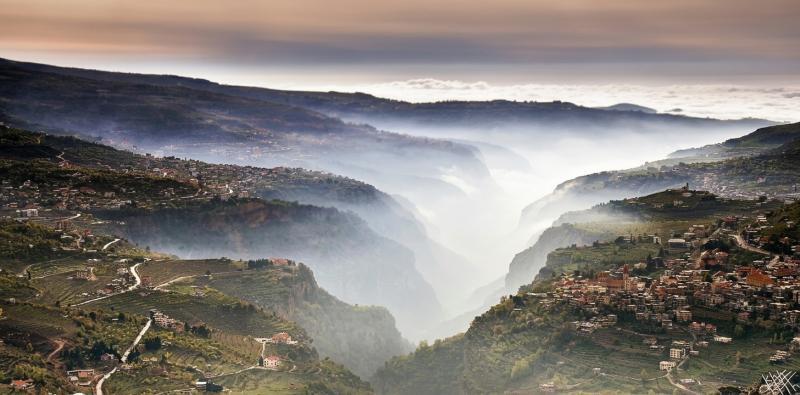
Caves in Lebanon stand as some of the most sought-after natural attractions, drawing tourists from both inside the country and abroad. Renowned for their rare rock formations, subterranean rivers, and breathtaking landscapes, these caves are a testament to the beauty of Lebanese nature. Formed over millions of years due to water and geological factors, they are now among the top tourist destinations in Lebanon.
Lebanese caves are also notable for their diversity. They include caves equipped for tourist visits and others that retain their untouched natural state, making them ideal for exploration, photography, and adventure enthusiasts. Additionally, some of these caves are steeped in historical tales and ancient legends, adding a unique cultural dimension.
Why Are Lebanese Caves Famous?
Lebanon's mountainous terrain is rich with limestone rocks, providing an ideal setting for the formation of caves and caverns. Groundwater has played a crucial role over thousands of years, chiseling out wide passages and halls adorned with stalactites and stalagmites in mesmerizing geometric patterns.
Moreover, most of these caves are located amidst mountainous areas and natural forests, offering visitors the chance to enjoy nature alongside their exploration of these unique geological sites.
Top 5 Caves in Lebanon
1. Jeita Grotto – The Jewel of Lebanese Tourism
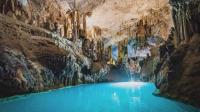
Jeita Grotto in Keserwan District is Lebanon's most famous cave and is regarded as one of the Middle East's foremost natural landmarks. It was a finalist in the New 7 Wonders of Nature competition.
The grotto consists of two main sections: the upper and lower caves. Visitors to the upper cave can stroll along pathways designed to showcase the massive limestone formations, stalactites, and stalagmites formed over millions of years.
The lower cave, however, offers a completely different experience, as visitors can take small boat rides along an underground river that forms one of the sources of the Dog River, surrounded by enchanting natural scenery.
2. Kfarhim Grotto – A Natural Wonder in Chouf
Located in the Chouf District, Kfarhim Grotto was discovered in 1974 and has since become one of the region's top tourist caves. It spans multiple layers with well-lit pathways that highlight the beauty of its natural limestone stalactites and stalagmites in a range of colors.
The grotto also features narrow corridors and rocky cavities, offering visitors an enjoyable exploration experience, particularly suitable for families and those seeking light adventures.
3. Qadisha Grotto – The Cave of Nature and Tranquility
Near the city of Bsharri and overlooking the UNESCO-listed Qadisha Valley, Qadisha Grotto is known for its serene environment and a freshwater spring. The colorful limestone formations add an extraordinary beauty to the site.
The area has historical ties to monks and hermits who took refuge in the valley over the centuries, giving it religious and historical significance alongside its natural importance.
4. Ein W Zein Grotto – A New Discovery in Chouf
Discovered in 2003 during excavation works, Ein W Zein Grotto is one of Lebanon's latest cave discoveries. It offers illuminated pathways and modern facilities, allowing visitors to safely explore its depths. The lighting reveals details of the rock formations shaped by water over millions of years.
The grotto's complex natural cavities and unique geometric shapes make it a distinctive destination for geology and nature lovers.
5. Afqa Spring Cave – Where Nature Meets Legend
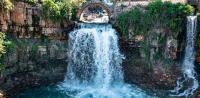
Located in the upper reaches of Jbeil District, Afqa Spring Cave is tied to ancient Phoenician heritage and the famous legend of Adonis and Astarte. A strong spring emerges from the cave, feeding the Abraham River.
The massive and distinct stone entrance captures visitors' attention, and the surrounding area provides an ideal setting for adventure, camping, and exploring mountain nature, especially in spring and summer.
Why Visit These Caves?
Lebanese caves offer a blend of natural beauty, scientific value, and historical significance. They provide visitors an opportunity to discover a hidden world shaped over millions of years. Each cave has its unique character; some boast underground rivers, while others highlight limestone formations or connections to heritage and ancient myths, making every visit a different experience.
Best Time to Visit Lebanon's Caves
Spring and summer are the preferred seasons for exploring the caves, as the weather is ideal for reaching the mountainous areas where they are located.
On the other hand, visiting the caves in the autumn offers a unique experience due to moderate temperatures and reduced crowds at many tourist sites.
Tips Before Visiting the Caves
For a safe and comfortable experience, wear suitable footwear for walking on rocky surfaces and follow the guides' instructions inside the caves. Avoid touching the limestone formations to preserve them.
It's also advisable to carry light extra clothing, as temperatures inside the caves can be cooler than outside even during summer.
In conclusion, the top 5 caves in Lebanon reveal a unique aspect of Lebanese nature, where rare geological formations meet history, legends, and stunning landscapes. From the world-renowned Jeita Grotto to the historic Afqa Spring Cave, these destinations offer exceptional experiences for exploration and nature lovers.
Lebanese caves remain prominent attractions reflecting Lebanon's rich natural landscape, offering visitors the opportunity to enjoy unique sights that combine adventure, beauty, and tranquility.
Also Check Out
Information on the Black Palace in Lebanon