


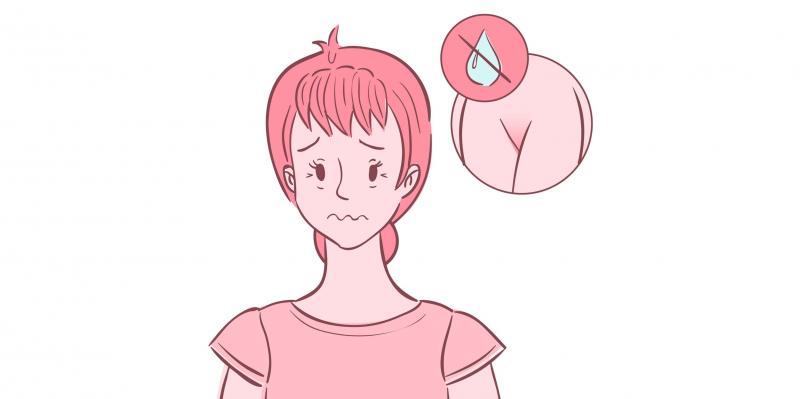
Vaginal dryness is a common issue that women may face at different stages of their lives, not necessarily related to a specific age. It can be temporary due to hormonal changes, medications, or stress, but for some women, it persists longer, impacting daily life and marital relations.
Vaginal dryness not only causes discomfort but can make sexual intercourse painful, leading to irritation and burning sensations. This can result in avoiding intimacy or experiencing anxiety and stress beforehand. Understanding and addressing the causes appropriately can help restore comfort and enhance the quality of the relationship.
Does Vaginal Dryness Affect Marital Relations?
Yes, particularly if dryness is persistent or pronounced. Reduced natural lubrication can cause increased friction during intercourse, resulting in pain, burning, or irritation.
The impact may not be solely physical; fear of pain can reduce desire or increase tension, making intimacy more challenging. It's crucial to address the issue without embarrassment or seeing it as something to endure.
What are the Symptoms of Vaginal Dryness?
Symptoms vary among women and may include:
- Feeling dryness or roughness in the vaginal area.
- Pain or discomfort during intercourse.
- Burning or irritation.
- Itching in some cases.
- Irritation after intercourse due to friction.
- Sometimes, light bleeding after intercourse, especially with severe dryness.
If symptoms are severe or persistent, consulting a gynecologist for a diagnosis is advised.
What are the Main Causes of Vaginal Dryness?
Hormonal Changes: Decreased estrogen levels, prevalent during menopause, postpartum, or breastfeeding, significantly contribute to vaginal dryness.
Medications: Some medications, particularly for allergies, can impact natural lubrication. Discuss any new medications with your doctor if dryness begins after starting them.
Stress and Anxiety: These factors can affect sexual response and natural lubrication, also heightening tension during intercourse.
Lack of Sufficient Sexual Arousal: Rushing intimacy can result in inadequate natural lubrication, increasing friction and discomfort.
Using Irritating Products: Scented soaps, douches, or chemical products can irritate sensitive areas and exacerbate dryness.
Does Vaginal Dryness Reduce Sexual Desire?
It may indirectly do so. Recurrent pain during intercourse can naturally lead to anxiety or fear of repeating the experience, affecting sexual desire. However, decreased desire doesn't always stem from psychological causes; hormonal or medicinal factors might need evaluation.
How Can Vaginal Dryness Be Reduced During Intercourse?
Some simple strategies include:
- Allow ample time for arousal before intercourse.
- Use appropriate lubricants to minimize friction.
- Choose fragrance-free, non-irritating products.
- Avoid unnecessary vaginal douching.
- Communicate openly with your partner about pain and stop if intercourse becomes painful.
If dryness persists, a doctor can recommend appropriate treatment based on the cause.
What's the Difference Between Lubricants and Vaginal Moisturizers?
Vaginal Lubricants are typically used as needed, particularly before or during intercourse, to reduce friction. Vaginal Moisturizers are used regularly by some women to alleviate chronic dryness symptoms, not limited to sexual activity use.
Can Hormonal Creams Be Used?
In certain cases, particularly where dryness is linked to decreased estrogen, doctors might suggest topical estrogen treatments or other options. However, these treatments aren't suitable for everyone and should only be used following medical evaluation.
When Should You Consult a Doctor?
Consult a gynecologist if dryness:
- Persists and doesn't improve with simple care.
- Causes frequent pain during intercourse.
- Accompanies abnormal discharge, odors, or itching.
- Leads to recurrent bleeding post-intercourse.
- Becomes evident after starting specific medication.
- Significantly impacts the marital relationship or daily life.
Doctors might need to examine the area and review medical and hormonal history to determine the cause and appropriate treatment.
Is Vaginal Dryness a Natural Issue?
Vaginal dryness is common and can occur at different life stages, but it shouldn't be endured if causing pain or affecting marital relations.
Avoid home remedies or random products for vaginal use as they might increase irritation or disturb the natural balance of the area.
Tips for Maintaining Hydration and Comfort
Certain habits can reduce irritation and maintain comfort, like using gentle, unscented products, avoiding excessive cleaning, hydrating adequately, and addressing issues early instead of ignoring them.
Open dialogue between partners is crucial, as pain during intercourse should not be silently endured. Adjusting the frequency and method of intimacy can ensure comfort for both parties.
Conclusion
Vaginal dryness can directly affect marital relations, causing friction, pain, and burning, while indirectly impacting desire and psychological comfort. Causes vary, including hormonal changes, medications, stress, and others.
Effective solutions range from appropriate lubricant use to medical treatments as determined by a doctor when necessary. Persistent pain during intercourse shouldn't be considered normal or ignored, particularly if dryness is new, severe, or accompanied by other symptoms.