


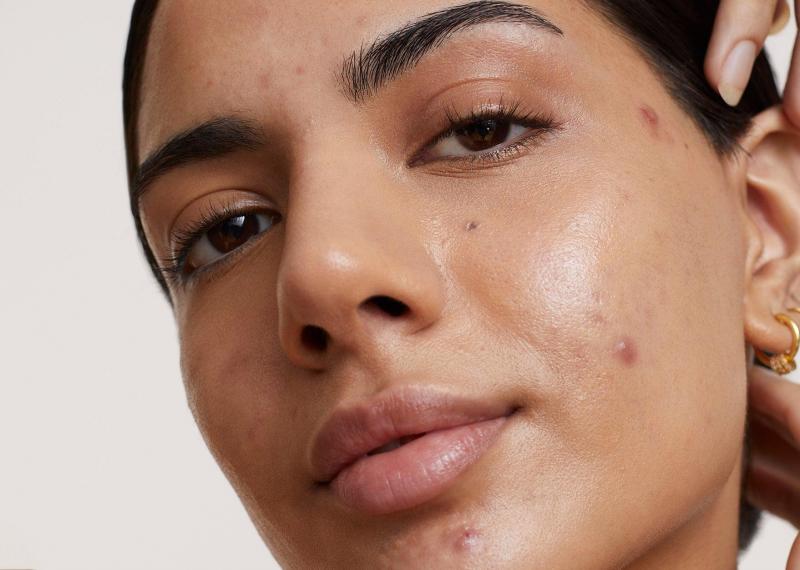
Oily skin produces an excess amount of sebum, a natural oily substance that helps protect and moisturize the skin. However, when sebum is overproduced, it can mix with dead skin cells, leading to clogged pores, which may cause blackheads, whiteheads, and inflamed pimples.
It’s important to note that having oily skin doesn't always lead to acne. Various factors such as hormones, genetics, lifestyle, and skincare routines can influence acne development.
Major Causes of Acne in Oily Skin
1. Excess Sebum Production
Increased sebum production is a primary factor associated with oily skin. Sebum accumulation on the skin surface and inside pores can create an environment conducive to clogged pores and acne formation.
People with oily skin often notice a shiny appearance, particularly on the forehead, nose, and chin.
2. Clogged Pores
Dead skin cells can accumulate inside pores, and when mixed with sebum, they may form plugs that manifest as blackheads or whiteheads.
The likelihood of clogged pores increases with the use of heavy or incompatible skincare products.
3. Hormonal Changes
Hormones play a significant role in acne development. Acne may flare up during puberty, before menstruation, or with other hormonal changes in some women.
Hormonal fluctuations can impact sebaceous glands, potentially leading to increased sebum production and acne.
4. Using Inappropriate Products
Certain creams, oils, or makeup can clog pores, especially if they are heavy or unsuitable for oily skin.
It is advisable to choose products designed for oily or acne-prone skin, and avoid applying multiple layers excessively.
5. Overwashing the Face
While frequent face washing may seem like a solution to excess oils, over-washing or using harsh cleansers can irritate skin and lead to dryness.
Rubbing the skin aggressively can also increase inflammation and sensitivity. A gentle cleansing routine is preferable.
6. Constantly Touching the Face
Touching the face transfers dirt and oils from the hands, and picking or squeezing pimples can exacerbate inflammation and lead to scarring.
Avoid touching pimples and refrain from squeezing them.
7. Stress and Sleep Deprivation
Stress may exacerbate acne for some individuals, and sleep disturbances can negatively affect overall skin health.
Stress is not the sole direct cause of acne, but it can aggravate the condition in susceptible individuals.
8. Heavy Makeup Products
Certain makeup products, especially when used for extended periods or not removed thoroughly, can contribute to pore blockage.
Selecting non-comedogenic makeup and thoroughly cleansing the skin at day’s end is recommended.
9. Not Cleaning Makeup Tools
Brushes and sponges need regular cleaning to prevent the buildup of oils, product residues, and dirt.
Using unclean tools frequently can aggravate the skin and affect those with acne.
Does Diet Trigger Acne in Oily Skin?
The relationship between diet and acne is not the same for everyone. However, some studies suggest a potential link between high-sugar diets and acne development in some people.
Being mindful of foods that seem to trigger breakouts can be helpful, while maintaining a balanced diet without cutting out entire food groups without medical advice.
How to Reduce Acne in Oily Skin
Implementing a simple, consistent skincare routine is key, rather than relying on numerous products.
Gentle Cleansing
Use a gentle cleanser suitable for oily skin. Avoid rough scrubbing or using excessively hot water.
Moisturizing
Oily skin still requires moisture. Use a light, non-comedogenic moisturizer, which is designed to not clog pores.
Use Sunscreen
Sunscreen is an essential step in daily skincare, especially as some acne treatments may increase sun sensitivity.
Avoid Squeezing Pimples
Squeezing pimples can worsen inflammation and increase the risk of pigmentation and scarring. Appropriate treatment instead of squeezing is preferable.
Opt for Suitable Products
Reading product ingredients and choosing lightweight formulations suited for oily and acne-prone skin is advisable.
When to Consult a Dermatologist for Acne
If acne is recurrent, painful, deep, or leaves noticeable scarring and pigmentation, consulting a dermatologist can help determine the type and appropriate treatment for acne.
Also, visit a doctor if breakouts appear suddenly and severely, or are accompanied by other symptoms, or do not improve despite following a suitable skincare routine.
Common Mistakes That Worsen Acne in Oily Skin
Common mistakes include using strong products intending to dry out pimples quickly, washing the face too frequently, or using harsh exfoliants.
Trying multiple treatments simultaneously can cause irritation, making it hard to identify what suits or harms the skin.
Introducing new products gradually and monitoring skin response is beneficial.
Conclusion
Acne in oily skin is linked to several factors, primarily excess sebum production and clogged pores, alongside hormonal changes, unsuitable products, and irritants. Excessive face washing is insufficient for resolving the issue; a balanced routine combining gentle cleansing, moisturizing, and sun protection is essential.
If acne is severe or results in pain or scarring, consulting a dermatologist can identify the cause and establish an appropriate treatment plan rather than experimenting with random products.
Related Articles