


Lebanese films offer a rich and diverse portrayal of Lebanon's history, society, and its political and cultural transformations. The local cinema goes beyond entertainment, tackling war, identity, social division, love, and freedom with various cinematic styles. Some of these works have reached major international festivals, becoming part of the global cinematic scene.
Moreover, Lebanese directors have succeeded in sharing local stories with a global audience, using realistic characters and a human narrative that transcends boundaries. Whether you are a fan of drama, social films, or those addressing the Lebanese war, Lebanese cinema offers a wide range of films worth watching.
What Makes Lebanese Cinema Unique?
Lebanese films excel in blending local issues with global human themes. The civil war appears not just as a political event but is reflected in the stories of individuals, families, and children. Other films address women’s issues, love, sectarianism, poverty, and identity.
Additionally, participation in festivals such as Cannes and the Oscars has heightened international interest in Lebanese cinema, paving the way for new generations of directors and producers.
Top 10 Lebanese Movies of All Time
1. Capernaum (2018)
Directed by Nadine Labaki, Capernaum is one of the most globally recognized Lebanese films, nominated for an Oscar for Best Foreign Language Film, and was part of the official competition at Cannes, where it won the Jury Prize.
The film tells the story of a child who lives in poverty and neglect, leading him to file a lawsuit against his parents for bringing him into such harsh circumstances. Through this touching story, the film discusses poverty, children's rights, migration, and social marginalization, offering a human portrayal that captivated audiences and critics worldwide.
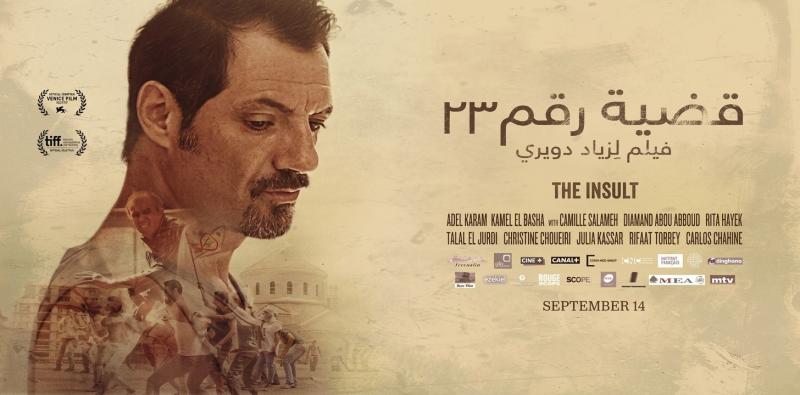
2. The Insult (2017)
Known internationally as "The Insult," directed by Ziad Doueiri, it became the first Lebanese film to be nominated for the Best Foreign Film Oscar.
The events begin with a minor dispute between two men, which gradually escalates into a legal and media confrontation, revealing deep political and social sensitivities within Lebanese society. The film's strength lies in turning a small incident into a broader discussion about memory, war, belonging, and dignity.
3. West Beirut (1998)
One of the most prominent Lebanese films, "West Beirut," directed by Ziad Doueiri, addresses the civil war from a personal and human perspective, focusing on teenagers experiencing the war's onset while trying to understand their world despite the surrounding division.
The film effectively combines drama with comedic moments, portraying the war through the eyes of youth and children rather than solely focusing on political events.
4. Where Do We Go Now? (2011)
Nadine Labaki's film presents a different approach to sectarian conflict, set in a Lebanese village tense with Muslim-Christian relations.
The village women attempt to prevent the men from engaging in violence through a series of humorous tricks and situations. Combining dark comedy and social drama, the film delivers a clear message about the impacts of sectarianism and war on families and communities.
5. Caramel (2007)
Nadine Labaki's first feature film as a director, Caramel, gained significant attention at international festivals, revolving around a beauty salon in Beirut, where the lives of five women intersect amidst challenges of love, marriage, freedom, and social image. The film presents a daily life portrait of Beirut through simple yet deeply social and human women's stories.
6. Hors la vie (1991)
Directed by Maroun Bagdadi, "Hors la vie" is significant in Lebanese cinema history, winning the Jury Prize at Cannes.
The film tells the story of a kidnapped French photographer in war-ravaged Beirut, exploring the city's reality, divisions, and violence during Lebanon's troubled times.
7. Under the Bombs (2007)
Directed by Philippe Aractingi, this film is set during the July 2006 war. It follows a woman's search for her son in devastated areas, aided by a taxi driver.
The film's realistic documentary-like style provides a direct sense of the war's devastation and fear while focusing on human aspects away from overt political discourse.
8. Beirut the Encounter (1981)
Directed by Borhane Alaouié, this classic film discusses the difficulties of communication and relationships in a city split by war.
Through a relationship between characters living on different sides of Beirut, it reflects the political, geographical, and social divisions affecting Lebanese lives.
9. The Nights of the Gilded Lion / Leila wa al-Dhiab (1984)
This film offers a different cinematic view of the region's political and social history through narrative and symbolism, addressing women's issues, war, and memory, significantly contributing to the development of Lebanese political and intellectual cinema, moving beyond traditional storytelling.
10. Sharbila (2010)
This type of Lebanese film trends towards stories tied to local identity, memory, and Lebanese characters, using relatable dramatic elements for the local audience.
These works demonstrate that Lebanese cinema extends beyond war-themed films, covering a variety of social, cultural, religious, and human topics.
Other Must-Watch Lebanese Films
In addition to this list, other Lebanese works have left a mark in local and Arab cinema history, particularly those addressing war, identity, migration, and social life. Modern Lebanese filmmaking has become more diverse, with new directors and writers presenting different ideas and storytelling methods.
Films like Capernaum and The Insult have helped enhance Lebanese cinema's presence in global festivals, proving that local stories can reach an international audience when presented in a strong cinematic format.
Lebanese Films Reaching the Oscars
Two names stand out regarding Lebanon's presence at the Oscars: "Capernaum," which got an Oscar nomination, and "The Insult," which became the first Lebanese film to make it to the final nomination for Best Foreign Film.
This presence marks an important milestone for Lebanese cinema, reflecting its ability to compete globally despite the industry's modest size compared to larger regional cinemas.
Lebanese Films Winning at Cannes
The Cannes Film Festival has featured a notable presence of Lebanese films, including "Capernaum," which won the Jury Prize, and "Hors la vie," also a Jury Prize winner.
These awards affirm that Lebanese cinema has successfully translated stories of war, society, and humanity into artistic works capable of competing at the highest international festivals.
In conclusion, Lebanese films reveal a cinema rich with issues and stories that transcend Lebanon's borders, from civil war and sectarian division to love, women, poverty, identity, and freedom. Directors like Nadine Labaki, Ziad Doueiri, and Maroun Bagdadi have created works that established Lebanon's presence on the global cinematic map.
The strength of Lebanese cinema lies not only in its global accolades but in its ability to transform daily experiences, painful memories, and social inquiries into relatable human stories, making these films a significant option for anyone wanting to discover Lebanon from a different angle through the big screen.
Also See
Lebanese Stars Living in Europe