


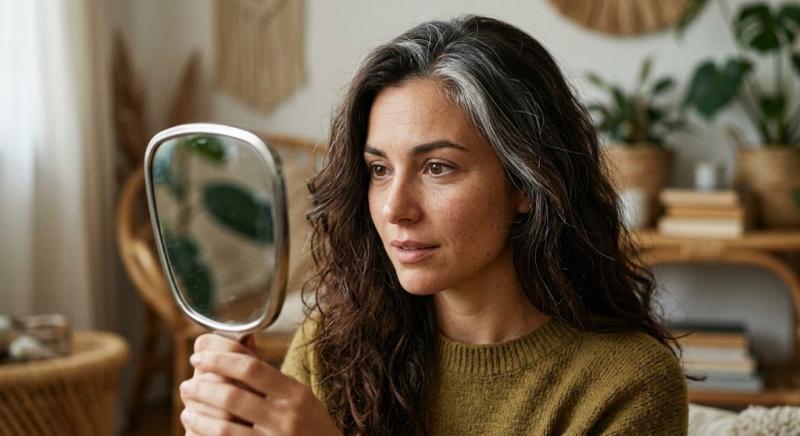
The emergence of gray hair is a natural part of the aging process, but some women may note its appearance at a younger age. This could manifest as sporadic strands or a significant change in hair color.
This observation often prompts questions about its underlying causes, especially when it occurs earlier than expected.
The reasons for premature graying vary. Genetics and family history play crucial roles, though dietary and health factors might also influence its onset.
Understanding these potential causes is vital in determining when medical evaluation might be necessary, rather than assuming a single cause.
Top Causes of Premature Graying in Women
1. Genetic Factors
Heredity is a major determinant in the timing of gray hair. If family members like parents showed early graying, women are likely to experience it too. Unfortunately, genetic factors are beyond control, causing early graying even in the absence of health issues.
2. Natural Aging
Hair color derives from melanin produced by special cells in hair follicles. As we age, these cells become less efficient, leading to gray or white hair. The age at which this begins varies, and there is no universal timeline for when women start graying.
3. Nutrient Deficiencies
Deficiencies in certain nutrients can be linked to premature graying. For instance, lack of vitamin B12 might affect hair changes. However, supplements should be taken after proper testing rather than solely due to graying.
4. Thyroid Disorders
Thyroid issues can influence hair growth phases and occasionally alter hair color or quality. These conditions may also present with fatigue, weight changes, dry skin, or heart rate variability. If these symptoms appear with early graying, thyroid tests might be warranted.
5. Autoimmune Diseases
Autoimmune conditions can impact the pigment-producing cells in hair and skin. Vitiligo, for example, causes pigmentation loss in skin areas and may link to hair color changes. Graying alone doesn't indicate an autoimmune disorder, but notable skin or hair color changes should prompt medical consultation.
6. Smoking
Studies connect smoking with an increased likelihood of early graying due to its body effects and oxidative stress. Graying involves many factors, so smoking isn't solely responsible for everyone.

7. Oxidative Stress
Body cells constantly face factors that produce free radicals, countered by antioxidant systems. Accumulation of oxidative stress in hair follicles can damage melanin-producing cells, contributing to hair color loss, influenced by age, genetics, and lifestyle.
8. Psychological Stress
Stress affects hair health in multifaceted ways. Recent evidence suggests biological mechanisms link psychological stress to pigment cells, though stress doesn't directly cause white hair during every stressful period.
9. Health Conditions or Medications
Certain health conditions or medications might cause hair changes. However, assuming a particular medication causes graying without consulting a doctor, especially when it follows new treatment or accompanies symptoms, is unwarranted.
10. Dietary Disorders and Lifestyle
Poor nutrition or restrictive diets can deprive the body and hair of crucial nutrients. Comprehensive hair health might suffer, yet diet-hair graying links vary widely. A balanced diet with diverse protein, vitamin, and mineral sources is preferred over random supplements.
Is Premature Graying in Women a Health Concern?
Not necessarily.
Graying might be purely genetic, especially if common among family. However, if sudden graying appears with significant hair loss, skin changes, persistent fatigue, or other bodily changes, consulting a doctor for potential health or nutritional causes is advisable.
Can Premature Graying be Prevented?
No foolproof method exists to prevent age or genetics-related graying. Yet, maintaining a healthy lifestyle, avoiding smoking, ensuring balanced nutrition, and addressing any nutritional deficiencies or health issues may support overall hair and body health.
Does Plucking White Hair Cause More Gray Hair?
No, plucking a white hair doesn't prompt surrounding hair to turn white.
However, repetitive plucking can damage hair follicles and isn't a suitable gray hair solution. For cosmetic concerns, hair dyes or gray coverage methods are better than hair plucking.
You might also like: