


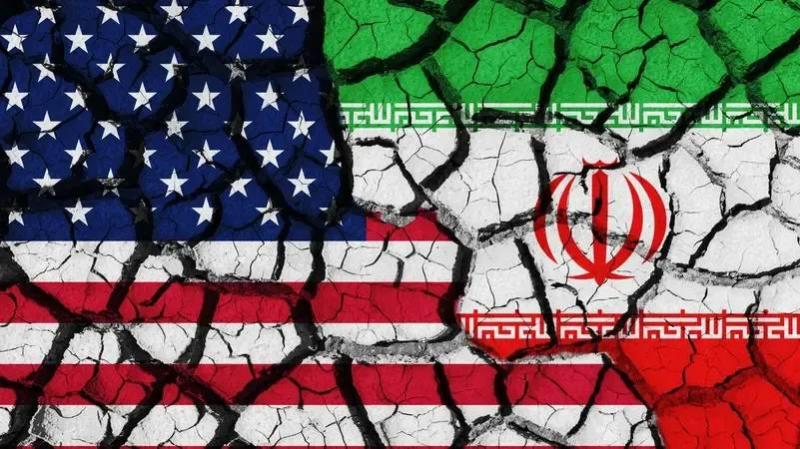
Iran has pledged to counter the expanded U.S. economic sanctions, which Washington claims will sever the economic lifeline of the Islamic Republic. Tehran expressed confidence that major trade partners will resist the American pressure campaign.
U.S. Treasury Secretary Scott Bissonnette unveiled the measures on Monday but stopped short of imposing the harshest sanctions, stating that countries continuing trade with Iran risk exclusion from the dollar-based financial system.
Bissonnette refrained from specifying which countries the sanctions would target or when they would be enforced. However, he indicated a grace period for compliance with the new directives.
New Sanctions Announced
The Treasury announced new sanctions on 60 individuals, entities, and ships, although the list did not include any Chinese financial institutions suspected of facilitating Iranian oil trade.
Before the announcement, Iran threatened military retaliation for any U.S. economic actions and promised to further reduce oil exports from the Gulf in response.
Following the announcement, Iranian Economy Minister Ali Madani-Zadeh stated, "We are fully prepared for the American sanctions."
Madani-Zadeh told state television, "Naturally, the enemies want to launch an economic terror attack against us, but we have our own means and know how to play this game. They should not assume we are on the defensive, and they should expect a counterattack from us."
He noted that China and Russia have "not accepted" the U.S. measures and predicted opposition from other countries.
Press TV reported Brigadier General Hossein Mohammadi, spokesperson for the Iranian Revolutionary Guards, promising significant strikes on the U.S.'s vital interests and energy corridors if Iran's infrastructure is threatened.
Iran and the U.S. had signed a temporary agreement in June, named the "Islamabad Memorandum," but it quickly unraveled.
The Pakistani army today stated that Islamabad, mediating the talks, has made "significant progress" in its latest discussions with Tehran focused on de-escalating the conflict and reopening the Strait of Hormuz.
Interior Minister Mohsen Naqvi, accompanying Army Chief Asim Munir to Tehran, posted on Platform X, "The Iranian President candidly shared his government's views, and we had highly constructive discussions on related issues."
Little Sign of Diplomatic Resolution
As Washington struggles to end an unpopular war that fueled rising energy prices, it seems President Donald Trump's administration is relying on further economic pressure, despite Iran having endured decades of U.S. and international sanctions. While these weakened Iran's economy, they did not deter its leadership.
Despite neither side launching substantial attacks in recent weeks, there are no signs of reaching a diplomatic solution to end the conflict.
The U.S. is exploring new strategies to halt Iran's attacks on ships in the Gulf, with recent assaults by allies in the Red Sea.
About six months have passed since the U.S. and Israel began their strikes on Iran. Thousands have died, mainly in Iran and Lebanon.
While the conflict has weakened much of Iran's conventional military capabilities, caused economic damage, and led to the death of former Supreme Leader Ayatollah Ali Khamenei, the Islamic Republic retains enough missile and drone capabilities to threaten neighboring Gulf states and oil tankers in the Strait of Hormuz.
The exact status of Iran's nuclear program, which U.S. and Israeli forces aim to dismantle, remains unclear.
Despite Monday's announcement, oil prices fell by more than $2 per barrel, even as investors prepared for potential further disruptions in Middle Eastern supplies.