


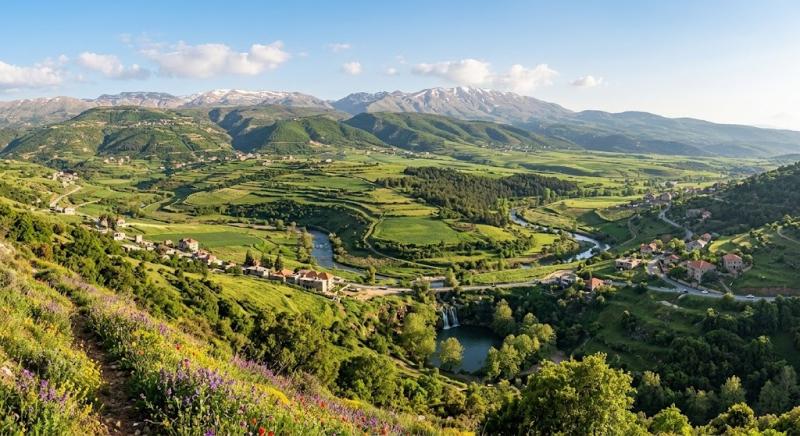
Akkar is a Lebanese region that beautifully combines rural nature and diverse geographical environments, extending from coastal plains to mountainous areas and northern highlands.
This diversity grants Akkar rich agricultural, natural, and tourism potential, making it renowned for its agricultural products, picturesque villages, and natural landscapes.
So, what is Akkar famous for? The answer isn't limited to a single landmark. The region is known for its blend of nature, agriculture, heritage, and rural life, featuring mountains, forests, and historical sites, alongside distinctive villages that reflect the architectural and cultural history of northern Lebanon.
What Makes Akkar Stand Out?
1. Agricultural Plains
Akkar is famous for its vast agricultural plains, particularly in the ancient Akkar area and Akkar plain, where various crops are cultivated.
The plain’s fertile lands provide significant importance to Lebanon's agricultural sector, with many Akkar villages engaged in farming, livestock breeding, and local food production.
2. Natural Landscapes and Mountains
Akkar features diverse terrains transitioning from plains to elevations and mountains.
The mountains offer varying natural scenes throughout the year, especially in spring and summer when greenery thrives, making it ideal for nature trips.
3. Akkar Forests
The region boasts expansive forests that are pivotal to Akkar's natural identity.
These forests provide habitats for many plant and animal species and are popular for hiking and enjoying scenic vistas away from urban congestion.
4. Ehden Nature Reserve and Northern Natural Areas
Akkar is geographically and environmentally connected to the north, rich in forests and biodiversity, with nearby natural areas of great significance in northern Lebanon.
This environmental extension emphasizes the importance of northern Lebanon in preserving forests and plant and animal species, making it suitable for nature trips and exploration enthusiasts.
5. Mountain Villages
A prominent characteristic of Akkar is its mountain villages, which largely maintain a rural charm.
These villages offer a unique experience for visitors wishing to explore Lebanese rural life, with stone houses, agricultural lands, and mountain views.
Places and Activities Connected to Akkar
6. Akkar River
The region is associated with the Akkar River, which flows through northern Lebanon into the Mediterranean Sea.
The rivers and waterways are integral to the local nature, especially in mountain areas where they merge with forests and valleys, creating unique natural scenes.
7. Ancient Akkar Fortress
The Ancient Akkar Fortress is a historic site associated with the region, situated on high ground for defense and views over the surrounding areas.
With roots in ancient historical periods, the fortress area has witnessed numerous events throughout Lebanon's history, offering insights into the military and architectural history of northern Lebanon.
8. Rural Heritage
Akkar is characterized by a rural heritage linked to agriculture, crafts, and local customs. Some villages still maintain aspects of this traditional lifestyle.
This identity is visible in local products, traditional cuisine, and land use practices, alongside the social relations that define rural communities.
9. Local Agricultural Products
Akkar produces a diverse range of agricultural crops, benefiting from the varying altitudes and climates between plains and mountains.
The agriculture includes grains, vegetables, fruits, and more, along with livestock breeding and rural food production, giving the region a distinct agricultural identity and offering a glimpse into Lebanon's local food production.
10. Rural Tourism
Akkar holds attractions for rural tourism, appealing to those seeking alternatives to traditional tourist destinations.
Visitors can enjoy nature, explore villages, discover local products, and marvel at mountain views, making it an ideal choice for day trips and short excursions.
The Beauty of Akkar
Diverse Nature
Akkar's geographic diversity stands out with its agricultural plains, mountains, forests, and valleys forming a varied natural landscape in one area.
Serenity and Rustic Atmosphere
Many parts of Akkar offer more tranquility compared to Lebanese urban centers, suitable for those seeking nature and rural life.
Agricultural Variety
The region’s varied topography and climatic conditions foster agricultural diversity, making farming a core part of its economic and social identity.
History
Besides natural beauty, Akkar retains historical sites that reflect various stages of northern Lebanon's history, adding cultural depth to the tourist experience.
Best Time to Visit Akkar
Spring and fall are ideal times to explore Akkar, especially for nature and outdoor enthusiasts. These seasons offer milder temperatures compared to the summer peak or winter chill in highlands.
Summer is also suitable for mountain and rural trips, while winter gives elevated areas a colder landscape, subject to weather updates before venturing into mountainous areas.
Also See:
Akkar Weather: Best Time to Visit the Region